
Do Unused Water Filters Expire? (With Watch Outs & Proper Storage Tips)

When buying stuff, you’ve got to factor in the shelf-life because that will help you know if you are getting good value. The same can be said of water filters – knowing how long they last will help you see if you’re getting your money’s worth.
You are probably aware that water filters eventually wear out as they are used but do unused water filters expire?
Water filters will not expire when stored properly. As long as you keep the filters away from humid air and UV rays from the sun, you can store them for years. However, if the filter becomes wet, bacteria will form on it, and it won’t be good to use anymore. Always keep water filters sealed in their packaging until you want to install them.
There’s almost no need to worry about unused water filters because they seldom expire. Although cooler temperatures slow their aging—it’s still safe to stock up for future replacement if that makes you worry.
What happens if you store water filters improperly
Poorly stored filters are exposed to dangers like:
- Contamination – If your unused filters are lying around your home, they may get contaminated. Contamination renders the filters useless or even unsafe for filtering. You might end up adding contaminants to your water rather than getting rid of them.
- Damage – Water filters are prone to damage when not stored properly. Delicate parts like filter membranes or cartridges cannot function properly once damaged. A torn membrane will let contaminants pass when the filter is installed.
- Microbial growth – Bacteria will grow if your unused water filter is exposed to air, warmth, and moisture. This may contaminate your water and result in a bad taste or odor when you use the filter.
How to properly store water filters
The shelf life of your new filters comes down to how you store them. Here are a few tips on the best places to store water filters.
Dry areas
The moisture content of your storage room will significantly affect the shelf life of your filters. It is not smart to keep your unused water filters near water sources. Make sure that your storage room is dry and well-ventilated.
No direct sunlight
Direct sunlight will also damage your filters. Keep your new water filters in a shaded space that does not get a lot of sun. Cupboards, closets, and drawers are all great locations.
Safe from sharp objects
One of the best ways to keep a water filter for as long as possible is to keep it in the packaging. This will protect it from many of the common threats. If the packaging is torn, immediately use the filter or discard it.
The dangers of using expired water filters
Water filters should be replaced every 3-6 months or as prescribed by the manufacturer.
For a more comprehensive explanation, refer to my article on the dangers of drinking water from an old filter.
Here are some noteworthy dangers of using expired water filters:
Increased exposure to bacteria
You could be exposing yourself to bacteria inside your filters. If your water filter is expired, bacteria could be growing in the filter membranes and other parts. Continued use of such water may lead to health complications.
Mineral & sediment buildup
Your water supplier might be doing their best to ensure you get safe drinking water. An expired water filter can introduce new contaminants to already clean water. It may also be adding insult to injury by adding contaminants to hard water.
Bad taste & smell
Expired water filters are likely to make your water taste and smell bad. In the case of ion exchange filters, your water may end up smelling like rotten fish.
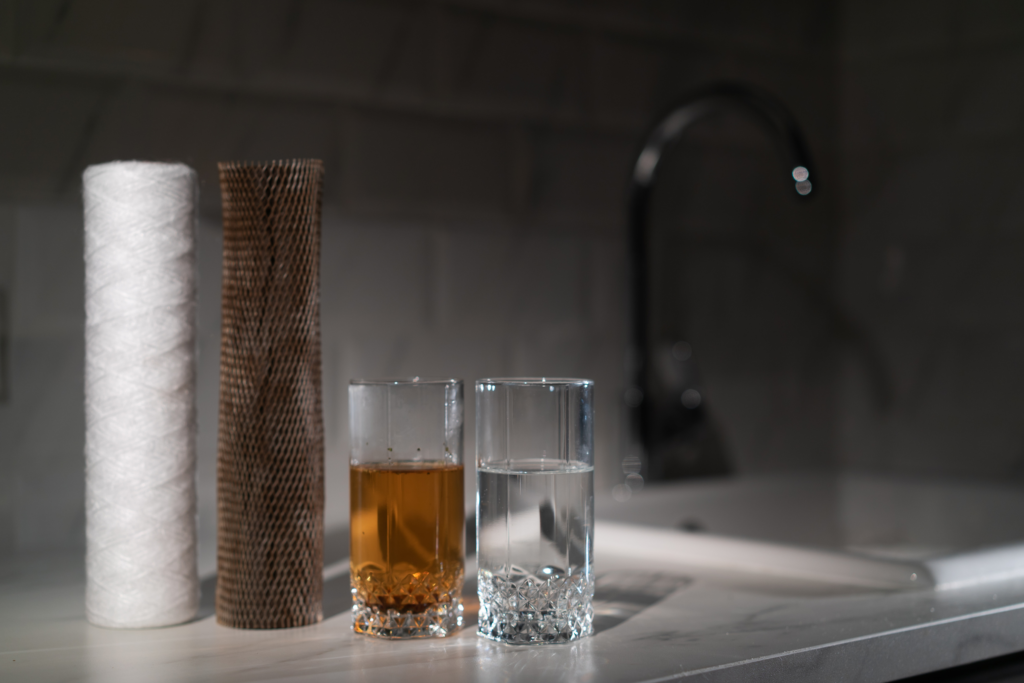
How long do water filters typically last (by type)
You may be wondering how long you can keep water filters. Unused filters can sit pretty until you are ready to use them if well maintained. If you keep them away from moisture and excess heat, you can store them for as long as you want.
Once you open a filter and water passes through it, it is advisable to keep using it until it is time to replace it.
Water filters typically have a service span of six to twelve months after first use. However, other factors can affect the life span of your filter, like the amount of water you filter in a day and the condition of your water. Poor quality water will reduce the service span of your water filters.
Below are some of the specific life spans of common water filter types. If you don’t know what water filter you have, you can figure it out by inspecting the filter casing. There are usually serial numbers that identify the water filter.
Reverse Osmosis
Reverse osmosis water filters are great for removing toxins and other contaminants. These filters should be replaced about once a year.
Activated carbon
Carbon filters work using adsorption. This process removes chemicals and sediment. Depending on usage, these water filters can last a year and a half to two years.
UV
UV water filters work a little differently than the other common water filters. They are great at removing bacteria and viruses but don’t filter out contaminants. These filters can last up to one year.
Ion Replacement
This type of filter works just as the name implies. By replacing ions in the water, they are great at softening water. Ion exchange filters can last up to two years.
Important water filter notes (by application)
Another important aspect of a water filter’s life span is the application it is designed for. Different applications dictate greater or lesser use. Additionally, the size of the filter will determine how long it takes to become clogged with what it filters out.
Under-sink water filters
These sink-specific water filters will not last as long as whole-house water filters despite filtering less water. This is primarily due to the fact that the smaller filter can become more easily worn out.
Under-sink water filters last roughly six months or up to one year. In gallons, this is about 500 to 1,000 gallons per filter. That said, the quantity of water through a filter is a less reliable metric.
Replace these filters every six months to be on the safe side.
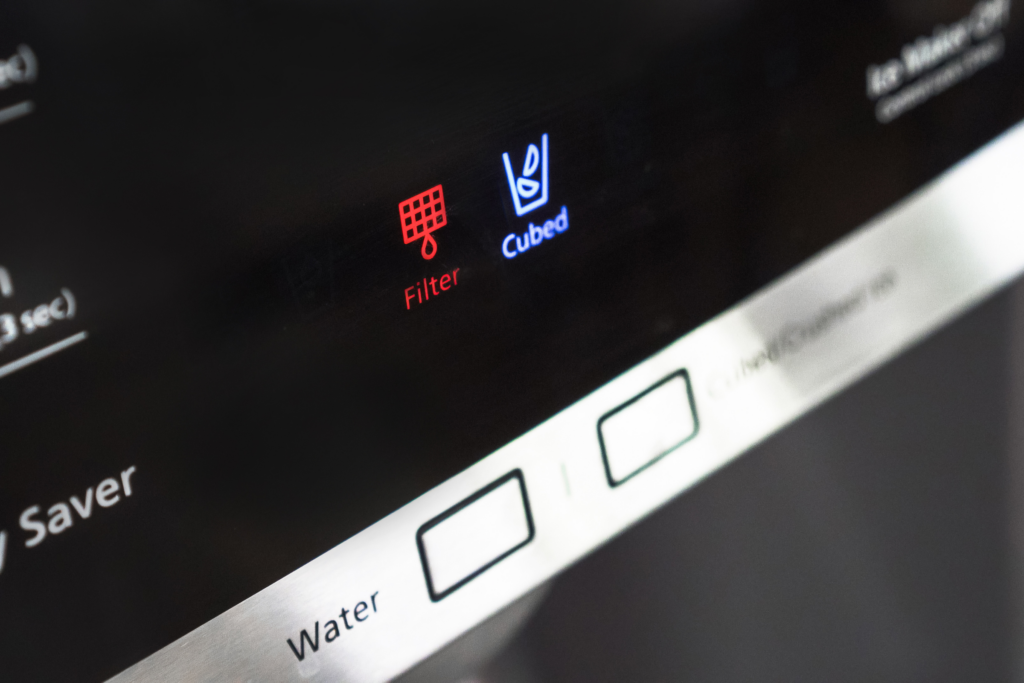
Refrigerator water filters
You may be wondering, “Do refrigerator water filters expire?” Like any other water filter, they will eventually become unusable.
Refrigerator water filters have a life span of three to six months after first use depending on the manufacturer. If you have not used your filter, make sure to store it well. Some manufacturers will indicate how long a filter can remain in good condition if not used.
It is best not to use a refrigerator filter if it has not been used for more than a year.
Water pitcher filters
Water pitchers, such as a Brita water pitcher, last for the shortest length of time compared to the above filter types.
Water pitcher filters only last for two months on average. If used sparingly, they may last longer than this. This life span is about 40 gallons worth. If you drink the recommended 3.7 liters of water a day, the water pitcher filter will last about 40 days.
How to tell if your water filter has expired
As we have already established, you do not have to worry about your unused water filter expiring as long as you store it well. That said, everything has an expiry date, and even unused water filters will eventually be unusable.
So, how do you tell if your unused water filter has expired?
Just check the inside of your water filter. An unused filter should have a white filter membrane. If the filter membrane is discolored, you should dispose of it immediately. In the case of activated carbon cartridges, it is hard to tell since they always come in black. One trick is to check for moisture on the filter membrane. If it is damp, the filter is no good.
If you aren’t sure how long your water filter can last, check with the manufacturer or the usage instructions to see if it has an expiry date.
You can also conduct a test if you are not sure whether your filter is safe for use. Install the filter and look out for the following signs in your water:
Strange smell
It should be quickly apparent if your water filter smells horrible. This is a sure sign that you should not use the filter. The smell will vary depending on the reason your filter has gone bad, but you’ll know it when you smell it.
Bad taste
I don’t recommend tasting water from an expired water filter, but should you get a glass of water without knowing the filter has gone bad, the water should taste wrong. If the filter is only just starting to get too old, it may not be strong.
The first thing you should do if your water tastes bad is to check the water filter.
Sediments in water
You should be getting crystal-clear water from a filtered water source. If you do not, it means that the filter has failed. Any time you have sediments in your water, you must replace the filter.
Strange sounds
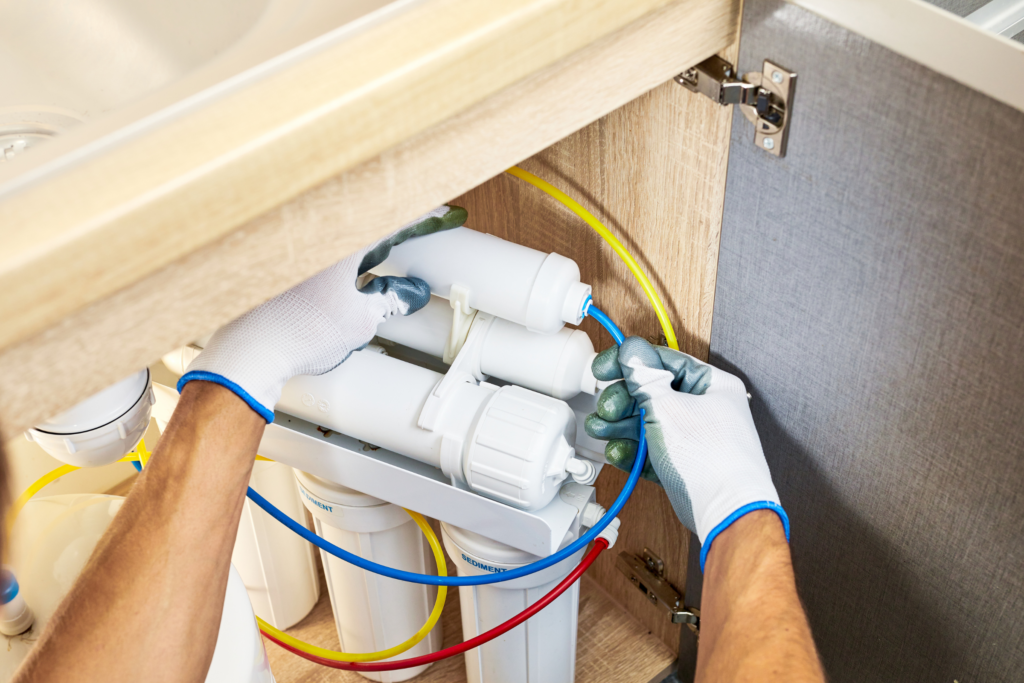
This sign is specific to reverse osmosis systems. These water filters can produce strange sounds when they get old. If you hear a noise you’re unfamiliar with coming from the water filter, give it a look.
How do manufacturers decide on water filter expiration dates?
Sometimes expiration dates seem entirely arbitrary. Often they are conservative estimates to save the manufacturer from any complications. Other times they are accurate and should be observed. All of this makes it hard to tell which is which.
Water filter expiration estimates are based on testing that manufacturers perform. They run contaminated water through samples of their filters and record when they fail. The estimate given by the manufacturer is based on this in the context of commercial use.
Summary of Do unused water filters expire
So, to sum it up, unused water filters will not expire as long as they are stored correctly. Moisture is the greatest enemy of unused water filters, so you will want to keep them in a dry area.
Also, be careful not to interfere with the wrapper until you are ready to use the filter. Just to be safe, you may want to avoid buying in bulk. Just buy enough to last a year, depending on your unique needs.
Let Us Know How We’re Doing!
Did this expertly prepared resource answer your question?
Do you have another question about home maintenance, home improvement projects, home appliance repair, or something else?
Get more information, send in questions and keep the discussion going by contacting the I’ll Just Fix It Myself company customer service team at at 1-800-928-1490 or Email us at [email protected]
