
3 Reasons Why There Is Urine Around Base Of Toilet? (Fixed!)

Urine around base of toilet or its stains can indicate a simple or severe issue. It could enable you to establish whether the problem is with the aiming or the toilet itself, allowing you to act accordingly.
The most common reason for urine around the base of your toilet could be urine leaking from the drainpipe beneath leaking through a worn-out rubber seal or wax ring, loose toilet tee bolts, a hairline fracture on the toilet bottom, or a pee puddle collecting from urinating into the toilet bowl.
In this post, we will go through the reasons in depth. Some fixes are a breeze, while others may necessitate the hiring of a plumber.
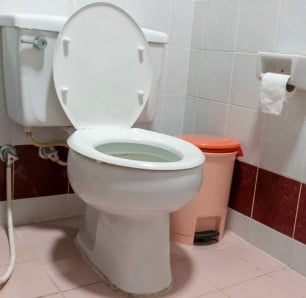
3 Reasons Why There is Urine Around Base Of Toilet (Quick Fixes!)
The table below gives a quick overview of why you see urine around the bottom of the toilet and the recommended solutions.
| Reason | Recommended Fix | |
| 1. | Loose toilet tee bolts | Twist the bolts back and clamp the toilet to the drainage pipe. |
| 2. | Urine backsplash from peeing | Aim urine at the inside of the toilet bowl, or pee while sitting. |
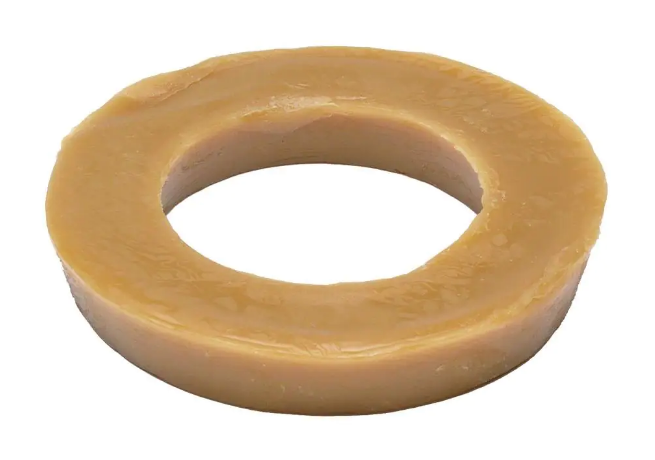
| 3. | Worn-out wax ring seal | Replace the wax ring |
Now, Let’s go into details; Below are reasons you may see urine around the bottom of the toilet and how to go about it.
1. Loose Toilet Tee Bolts
In rare circumstances, the leak might be caused by loose toilet tee bolts. They are found on one side of the toilet’s bottom and might be covered with bolt covers to suit the bowl.
Fix
- Use an adjustable wrench to twist the bolts back, clamp the toilet to the drainage pipe and halt the leak.
- After that, flush the toilet to see if the problem is still present. If this is the case, change the wax ring beneath.
- If not, reapply caulk around the toilet’s base.
2. Urine Backsplash From Urinating
It holds for men and women. The problem likely lies with men’s aim and those who do not raise the toilet seat when peeing and fail to aim within the bowl.
For women, the direction and pressure of the urine’s impact on the bowl matters while peeing while seated. If you pee at a steep angle with increased force, urine will most likely seep beneath the toilet seat, and some may leak down to the toilet’s base.
The accumulation of urine around the toilet base gives rise to pee puddles, odor, and stains.
Fix
- With less water in the basin and a different-shaped basin, you may aim your urine at the inside sidewall of the basin to prevent it from splattering.
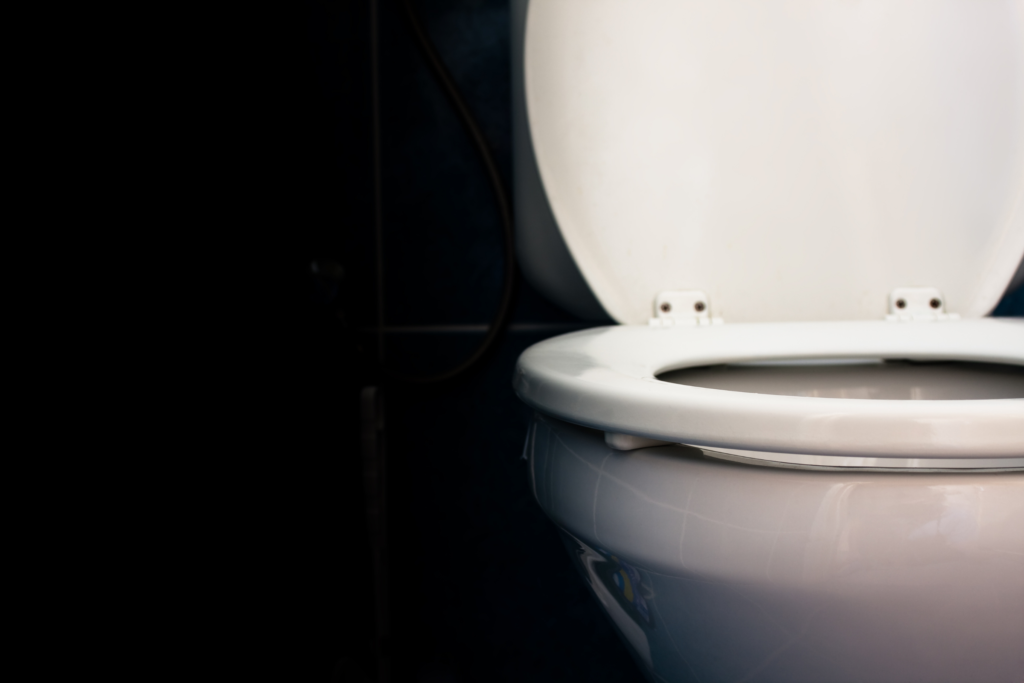
3. Worn-out Wax Ring Seal
If the pee leak is coming from the floor, it implies the wax ring beneath the toilet has worn out, and when you flush, urine seeps through onto the toilet’s base.
Fix
- Use a rubber seal ring, which is less dirty, or replace the wax ring.
- To change the ring, empty the toilet tank and separate it from the bowl.
- Then, drain the toilet bowl, unscrew the toilet tee bolts, and remove them away from the toilet flange.
- Change it out with a new one and reattach the toilet.
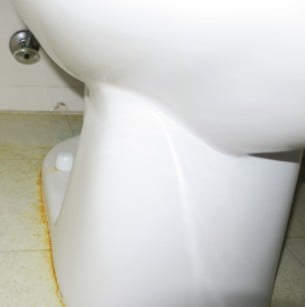
Urine Stain Around Base Of Toilet? Do This!
The toilet base is constantly exposed to pee, particularly if you have little children who are not toilet trained in your home.
The combination of baking soda and white vinegar is one of the DIY cures for cleaning pee stains around the toilet’s base. Alternatively, try Borax, hydrogen peroxide, and other commercial toilet cleaners.
How Does Pee Get Under The Toilet Seat?
Your urine splashes under the toilet seat for two reasons: the angle of urination and your height from the urinal toilet bowl. Peeing while standing extends the distance the urine travels before striking the toilet bowl, increasing its speed and resulting in a pee splash.
The undemanding approach to minimize backsplash is to adjust the angle of your urine stream so that it reaches the urinal/toilet wall at a gentle angle. Additionally, you can put a piece of toilet tissue in the bowl before urinating to soak the urine jet impact and reduce any splashback.
Aside from toilet paper, urinal cakes, splash shields, and urinal inserts are applicable.
How To Prevent Urine Around Toilet
Considering pee splashbacks usually occur on the floor around the toilet bowl, these items will help keep the area around your toilet clean.
a) Pee Splash Guard or Deflector
It serves as a urine deflector or shield. It directs urine back into the toilet if young children or persons with special needs have trouble noticing the toilet bowl while seated.
Additionally, pee deflectors stop urine from escaping through the space between the toilet seat and the bowl, keeping all waste inside the toilet bowl and off the floor.
b) Washable Toilet Floor Protectors
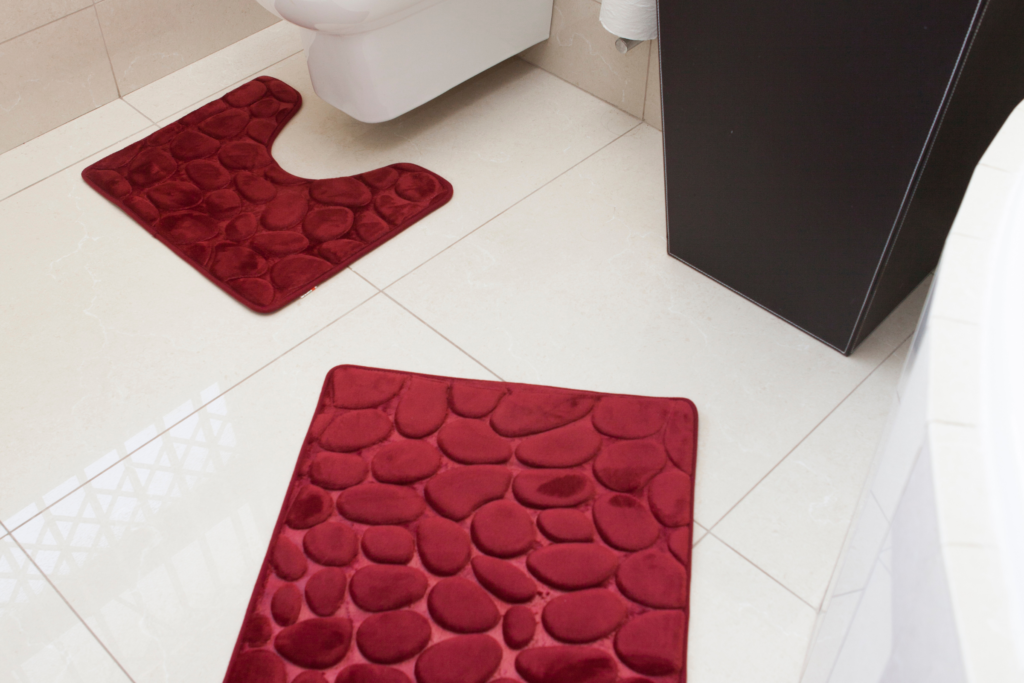
These toilet mats feature a U-shaped design that wraps around the bottom of the toilet bowl, which is unique and has numerous benefits over traditional bathroom rugs.
The mats will limit pee backsplash to areas surrounding the toilet since they will conform to the toilet bowl.
c) Disposable Toilet Mats
If you have children or live with the elderly who have incontinence issues, employing disposable toilet mats can help you cope with the mess of pee splatter. Biodegradable toilet mats are ultra-absorbent and perform an excellent job of absorbing leaks.
How To Clean Urine From Floor Around Toilet
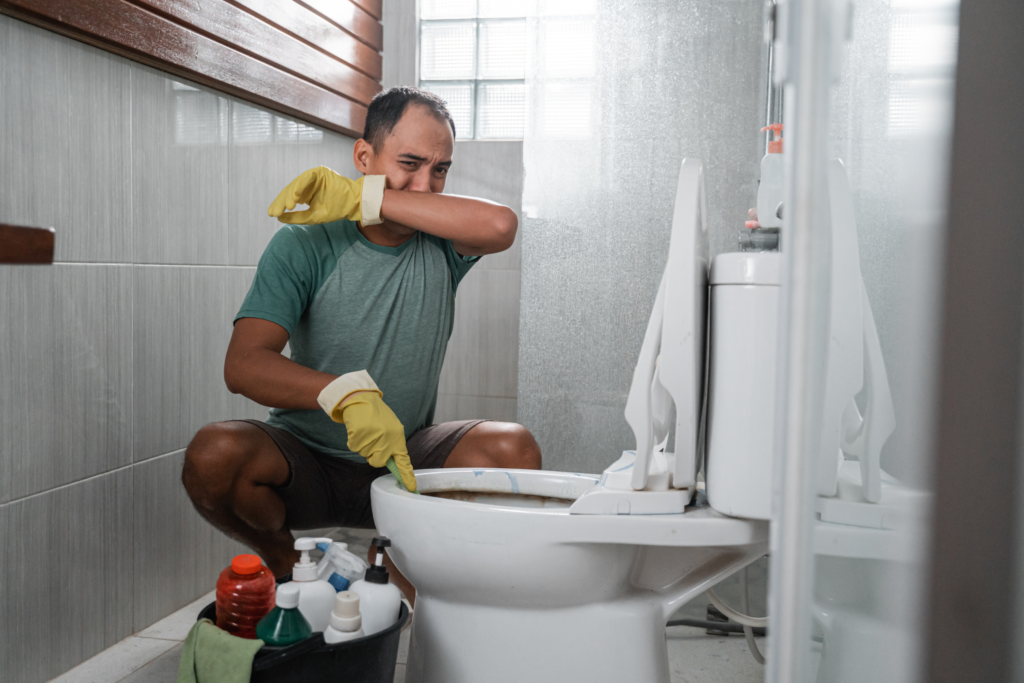
- Get a spray bottle and combine three tablespoons of baking soda and 8 ounces of hydrogen peroxide.
- Add a couple of drops of dish soap.
- Spray the area and allow it to rest for around 15 minutes.
- Brush the mixture into the affected area before thoroughly washing and buffing it dry.
How To Protect Floor Around Toilet
If you do not have enough top-notch floor cleaners on hand, cleaning the floor surrounding your toilet will be challenging. As a guideline, use the following ways to keep the floor clean, dry, and in good condition for many years.
a) Use A Toilet Floor Mat
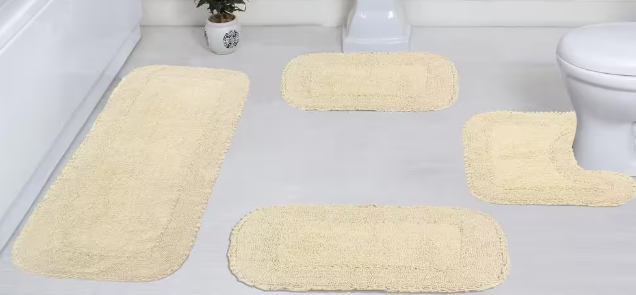
Keeping extra toilet floor mats to use around the restroom is incredibly beneficial. These toilet floor guards minimize damage from bumps and cracks in the tile, grout, and other surfaces.
They come in handy in homes where young children are toilet trained since they are easy to maintain and prevent spillage from getting on the floor.
b) Utilize A Toilet Base Plate
It is generally a good practice to use a toilet base plate or floor gasket as a shield between the toilet and the floor. Nonetheless, without particular skills and instruments, you will have a difficult time.
Base plates are ideal for preventing stains and safeguarding the toilet floor from harm caused by body weight, pet filth, and waste.
Some elevated base plates can raise the toilet, making it easier to use, particularly for people with mobility issues.
c) Prepare Your Toilet Floor For Cleaning
Thoroughly cleaning your toilet can help you avoid any filth and microbial accumulation. The best course of action is to clean the entire restroom regularly.
You can clean the toilet properly using a high-quality mop or cleaning products. In addition, spray bathroom cleaner on the flooring to get it as damp as possible.
Afterward, clean the floor surrounding the toilet with a scrubber.
d) Caulk The Base Of The Toilet Bowl
This technique will not eliminate pee backsplash, but it will save your flooring from splashback harm.
The base of the toilet bowl is sensitive to this condition. However, sealing the bottom will help minimize urine backsplash from leaking into the floor. Cleaning up after spills and misses is easier this way.
You can use either white caulking or clear caulking. White caulk is perfect for use in toilets.
Furthermore, toilet bowls are often white, so the clear caulking will not appear out of touch. White caulk is less prone to discolor or tarnish over time than clear caulk.
Yellow Stain Around Toilet Base
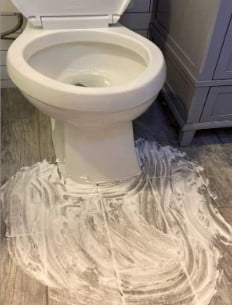
Yellow spots are typically limescale deposits from hard water, which are abundant in minerals and accumulates over time, making them noticeable inside the toilet bowl. The minerals can build up in your pipes and cause a toilet blockage.
Calcium accumulation has a rigid structure, making removing the stains even more difficult. As a result, if you can stop minerals from accumulating within your toilet bowl by removing even the smallest deposits early on, you will save yourself a lot of trouble later.
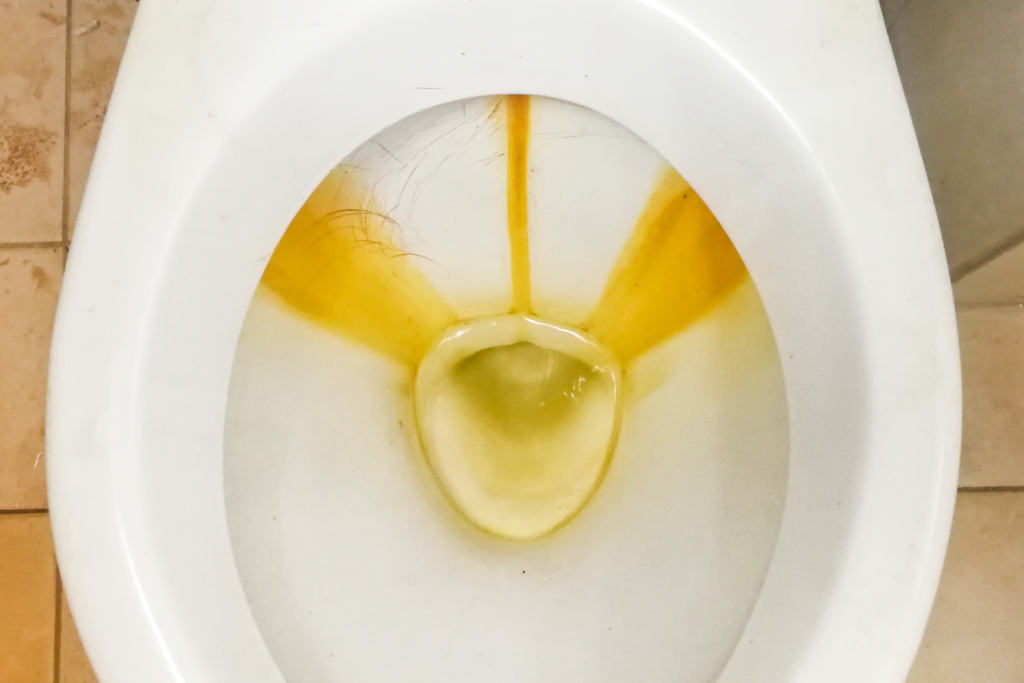
Pee Around the Base Of the Toilet
It is because guys pee when standing up. It might also happen if ladies peed on the toilet while standing.
The splashes accumulate over time, resulting in dried-up pee around the bowl’s lip and on the flooring around the toilet.
To address this, request that all visitors to your restroom pee while seated.
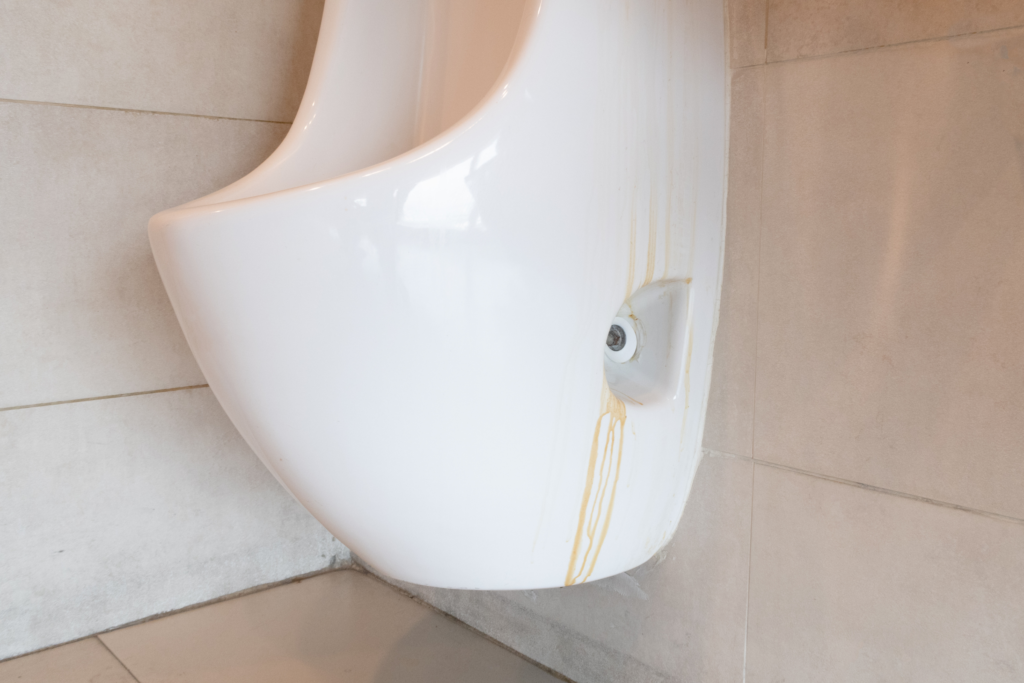
Final Remarks On Urine Around Base Of Toilet
Having urine around the base of the toilet is just unsanitary since it produces germs that can cause health problems and is the source of the foul stench. As a result, always aim for the toilet accurately and use the procedures suggested in this post to keep the area around the toilet base clean.
Other Helpful Guides:
Let Us Know How We’re Doing!
Did this expertly prepared resource answer your question?
Do you have another question about home maintenance, home improvement projects, home appliance repair, or something else?
Get more information, send in questions and keep the discussion going by contacting the I’ll Just Fix It Myself company customer service team at at 1-800-928-1490 or Email us at [email protected]
