
Why Do Graffiti Artists Use Spray Paint? [History & Techniques]

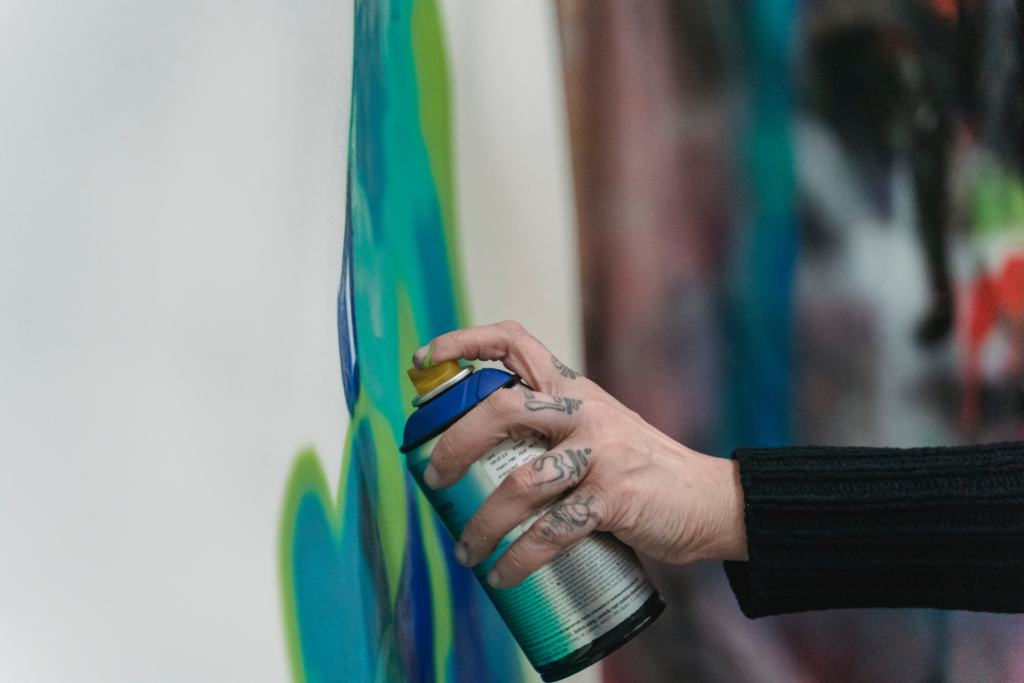
Hey there, fellow art enthusiasts! Let’s talk about graffiti art and the essential tool that makes it all possible: spray paint!
For decades, graffiti artists have been pushing boundaries and exploring new ways to make their work stand out. And what better way to make a bold statement than with vibrant, eye-catching designs created using spray paint? This versatile medium has become synonymous with graffiti, offering artists a plethora of options for color, texture, and technique.
Let’s take a closer look at why graffiti artists use spray paint, the history of the craft and some other fun facts!
Key takeaways – why do graffiti artists use spray paint for their art?
- Spray paint has become an integral tool in graffiti artistry, offering a wide range of color and technique options.
- The history of spray paint in graffiti dates to the 20th century, initially used by gangs before gaining recognition as an art form.
- Graffiti artists worldwide use different types of spray paint and application techniques to create visually impressive and impactful designs.
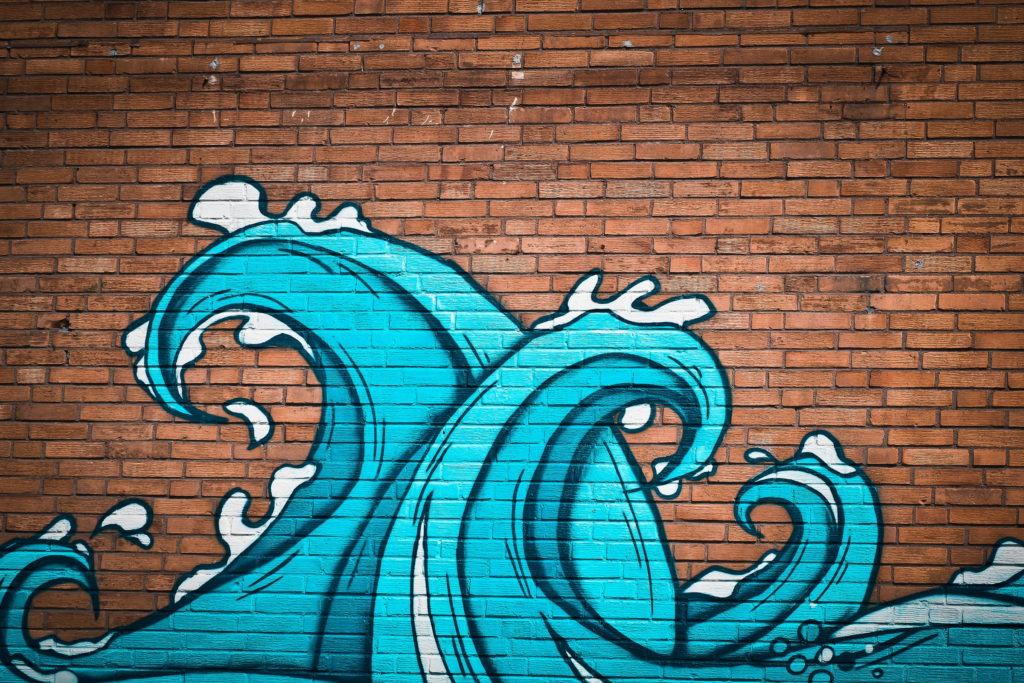
The history of spray paint and graffiti artists
Believe it or not, the history of spray paint in graffiti dates back to the 20th century when it was closely associated with gangs who used it for various purposes, like marking territory or memorializing deceased members. But over time, the art form evolved and expanded beyond its original context, with creative individuals leveraging the benefits of spray paint to make powerful artistic statements in public spaces.
Today, graffiti artists around the world rely on this medium to create striking visuals that captivate audiences and make lasting impressions. From bubble letters to wildstyle and blockbusters, different types of spray paint and application techniques are used to create visually impressive and impactful designs.
The invention of aerosol paint cans revolutionized the way artists could express their creativity outdoors, allowing them to work quickly and efficiently, covering large surfaces with ease and precision. The wide range of colors and the ability to achieve various textures and effects made it an ideal medium for expressing the diverse styles and messages that characterize graffiti art.
So, whether you’re a seasoned graffiti artist or just a curious onlooker, the history of spray paint in graffiti is a fascinating one. And with innovations in spray paint technology, the possibilities for creative expression and technical finesse within graffiti art are endless.
Let’s keep pushing boundaries and making bold statements with spray paint!
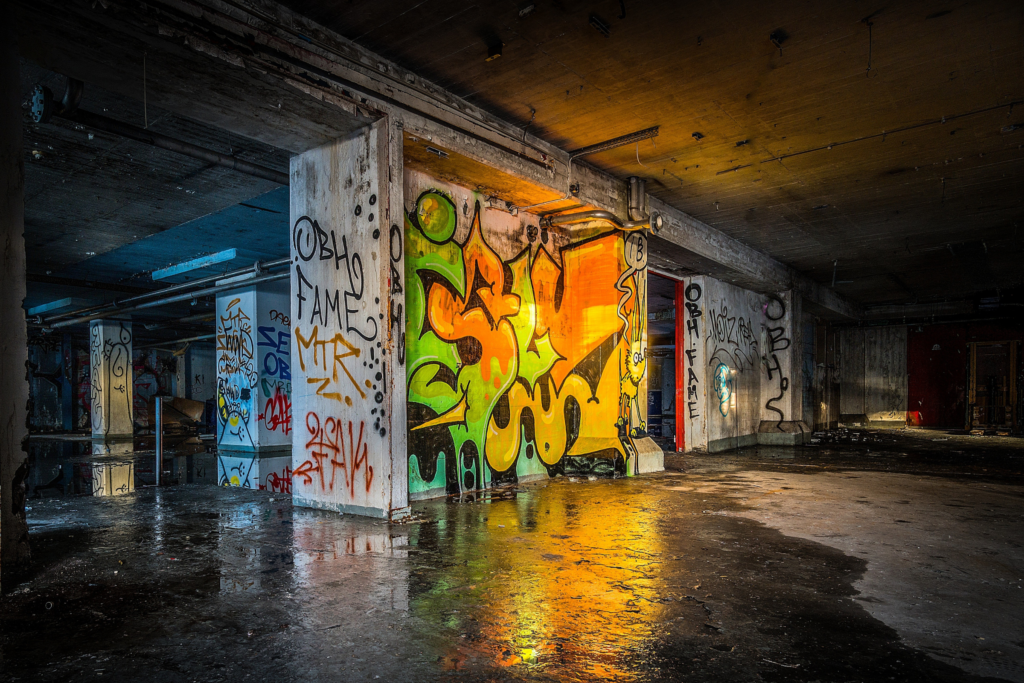
Advantages of using spray paint for graffiti and other art
Let’s talk about the magic of spray paint and why it’s the go-to choice for graffiti artists all over the world.
Spray paint is affordable and easy to find
First and foremost, spray paint is affordable and easily accessible (you can even buy spray paint at Dollar General), making it the perfect option for artists on a budget. With a wide variety of colors and brands available at a low cost, graffiti artists can experiment with different styles and techniques without breaking the bank.

Spray paint is lightweight and easy to carry
Another perk of spray paint is its lightweight nature. Graffiti artists can easily carry spray paint cans around, allowing them to work in various locations without the hassle of transporting heavy equipment. This portability is essential for artists who need to move quickly and discreetly.

Spray paint provides lots of coverage
Spray paint also offers a large area for coverage, allowing artists to create work on a larger scale compared to traditional paint and brushes. Plus, the quick-drying nature of spray paint enables artists to layer colors without waiting for each coat to dry, which is particularly beneficial for those working in public spaces where time is limited.
There are lots of interesting artistic spray painting techniques
One of the coolest things about spray paint is the level of control it provides. Artists can adjust the pressure, angle, and distance from the surface, resulting in a diverse range of effects. This makes it possible for graffiti artists to create everything from bold, wide strokes to delicate, intricate details.
Many graffiti artists use specialized caps and nozzles to create unique textures and effects, further expanding the creative possibilities of spray paint.
Spray paint provides a bold look
Spray paint also creates a bold effect that stands out in the urban landscape. With vibrant colors and strong contrast, artists can make their work pop in even the busiest of settings. And with a variety of available colors and finishes, artists can explore a range of visual styles.
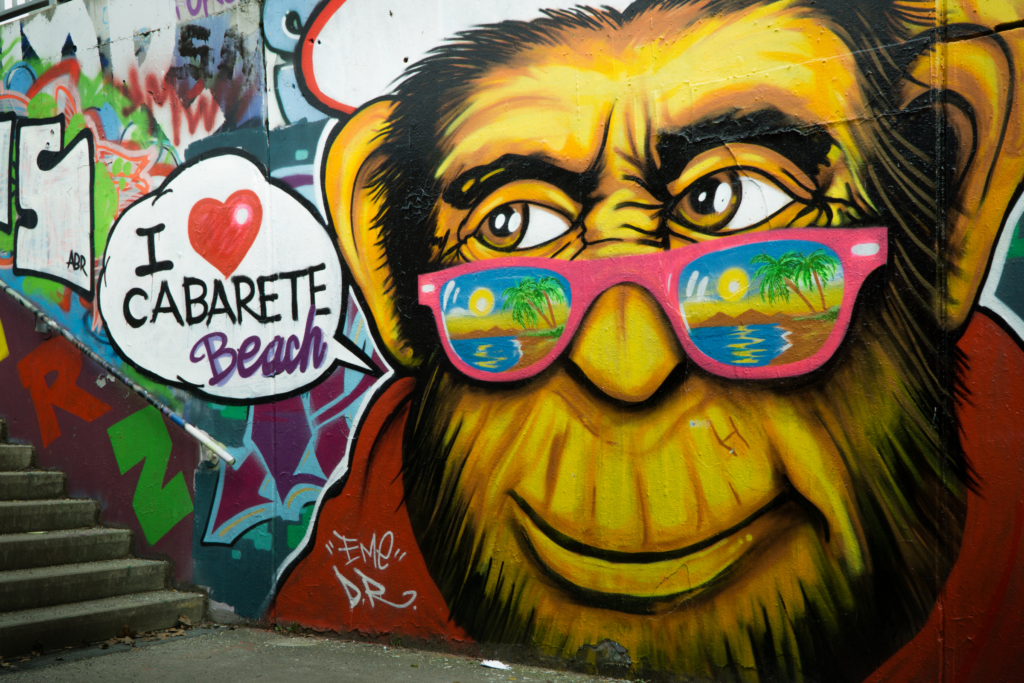
Types of spray paint used by graffiti artists
Are you curious about the different types of spray paint that graffiti artists use to create their masterpieces? Well, let’s dive into it and talk about two main types of spray paint that are popular in the graffiti world: Acrylic-based paints and Water-based paints.
Acrylic spray paint
First up, let’s talk about acrylic-based paints. These bad boys are a top pick for graffiti artists because they’re super durable, dry quickly, and resist fading. They stick well to a variety of surfaces like concrete, metal, and wood, and offer excellent coverage and vibrant colors that are perfect for creating bold, eye-catching art. Plus, acrylic-based spray paints produce a smooth, even texture that gives a professional finish to the artwork.
Here are some benefits of using acrylic-based paints:
- Fast drying time: No need to wait around for ages for your art to dry. With acrylic-based paints, you can get back to creating in no time!
- High resistance to fading: You don’t want your art to fade away into nothingness, do you? Acrylic-based paints are known for their ability to withstand the elements and keep their vibrant colors over time.
- Strong adhesion to various surfaces: Whether you’re painting on concrete, metal, or wood, acrylic-based paints will stick to just about anything. This means you can get creative with your canvas choices.
- Smooth, even texture: Acrylic-based paints produce a professional-looking finish that’s smooth and even. Your art will look polished and impressive, even if you’re a beginner.
- Vibrant color options: With a wide range of colors available, you can create any look you want with acrylic-based paints. From bold and bright to soft and subtle, the possibilities are endless.
So there you have it, folks! Acrylic-based paints are a go-to choice for graffiti artists for good reason. They’re durable, fast-drying, resistant to fading, and produce a smooth, even texture with vibrant colors. It’s no wonder why they’re a staple in the graffiti world.
Water-based paints
Water-based spray paint is a great option for graffiti artists who want to reduce their environmental impact. They release fewer chemicals, making them safer to use in indoor settings or other areas with limited ventilation. Plus, they’re quite versatile and can be used on surfaces like wood, metal, and glass. And with a wide range of colors available, graffiti artists can mix and match to create different shades and hues.
One of the coolest things about water-based spray paint is the ease of clean-up. Since they’re water-soluble, mistakes and spills can be quickly removed with water. No more worrying about ruining your clothes or the surrounding area!
Here are some features of water-based paints:
- Environmentally friendly: Reduce your impact on the environment by choosing water-based spray paint.
- Safer for indoor use: With fewer chemicals, water-based spray paint is a safer option for indoor settings.
- Versatile and suitable for various surfaces: Water-based spray paint can be used on a variety of surfaces, giving you more options for your art.
- Easy clean-up with water: No need for harsh chemicals – water-based spray paint can be cleaned up easily with just water.
- Wide range of colors and mixability: Get creative with a wide range of colors and easy mixability.
Two popular spray paint application techniques
Are you curious about the different techniques that graffiti artists use to create their amazing artwork? Well, let’s take a look at two popular spray paint application techniques: stencils and freehand.
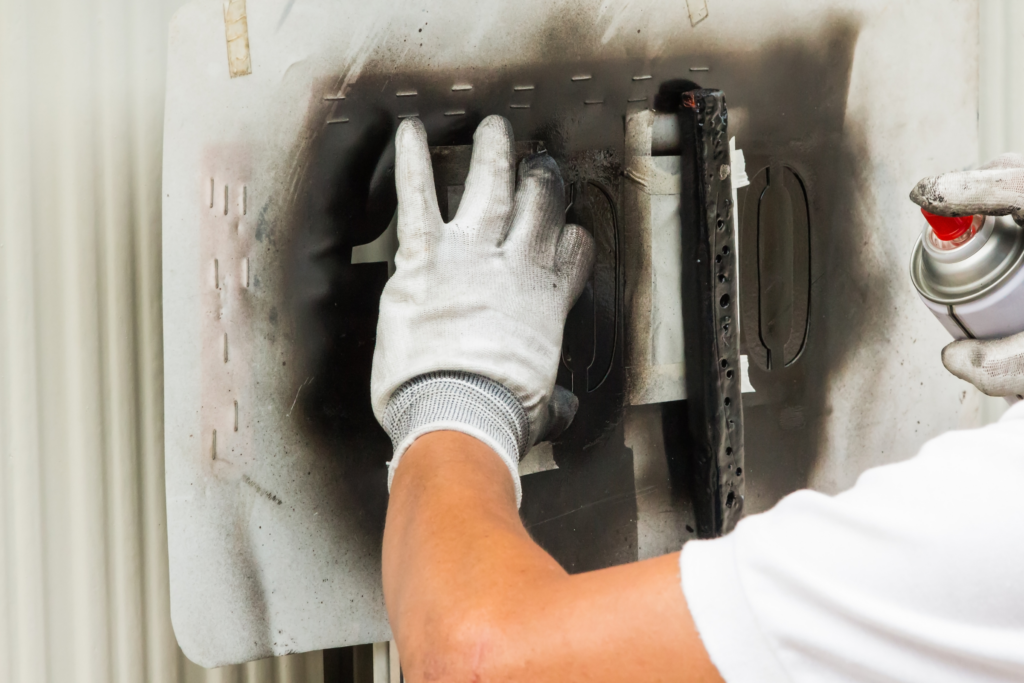
Using stencils for spray paint graffiti art
First up, let’s talk about stencils. This method is great for producing clean, precise lines and shapes. With stencils, the artist cuts a design out of a material like paper or plastic, places it on the surface to be painted, and then sprays paint over the stencil.
This results in a crisp and professional-looking final image. Plus, using stencils can save time and effort, as the artist can easily replicate the same design multiple times.
Some benefits of using stencils include:
- Achieving clean, straight lines without the risk of paint drips
- Easily replicating a design multiple times
- Reducing the time and effort needed to produce a piece of art
However, stencils do have some limitations, such as difficulty in producing free-flowing, organic shapes and limitations in terms of layering and blending colors.
Freehand spray painting for graffiti art
Next, let’s talk about freehand spray painting. This technique is all about creating artwork by hand, without the use of stencils or other guiding tools.
With freehand techniques, artists have greater freedom, creativity, and spontaneity in their work. They can create organic shapes and intricate designs that may not be possible with stencils.
Some advantages of freehand spray painting include:
- Greater freedom to create unique and original artwork
- Ability to create complex, organic shapes that are difficult to achieve with stencils
However, there are also some challenges associated with freehand spray painting, such as difficulty in achieving clean, straight lines and edges without practice and the risk of paint drips and smudging when not done carefully.
Ultimately, the choice of technique depends on the artist’s personal style, skill level, and desired outcome for their work. Whether you prefer the precision of stencils or the freedom of freehand techniques, spray paint offers endless possibilities for creating amazing graffiti art.
Famous graffiti artists and their choice of spray paint
Are you curious about the spray paint choices of some of the most famous graffiti artists out there? Let’s take a closer look!
Banksy
First up, we have Banksy, the elusive street artist known for his thought-provoking stenciling technique. Spray paint allows Banksy to create highly detailed and intricate images while still maintaining anonymity and quick execution.
With spray paint, he can work on various surfaces and achieve a signature look that resonates with a wide audience.
Jean-Michel Basquiat
Jean-Michel Basquiat, on the other hand, started his career as a graffiti artist under the pseudonym SAMO. As he moved into producing studio works, Basquiat continued to incorporate elements of graffiti art into his paintings.
Spray paint allowed him to bridge the gap between street art and fine art while maintaining the raw energy associated with his initial creations.
Keith Haring
Keith Haring used spray paint and other mediums for his public works. The vibrant colors and bold lines in his art can be attributed to the nature of spray paint.
This medium helped Haring emphasize the dynamic energy and movement in his works, as well as create more significant statements with his art. His choice of spray paint also facilitated a faster work process, which was critical in producing his prolific body of work.
The Environmental Impact of Spray Paint in Graffiti
While spray paint offers several benefits to graffiti artists, such as quick completion of work and affordability, it also has some environmental implications worth considering. Spray paint can release volatile organic compounds (VOCs) during application, which can contribute to air pollution and negatively affect the environment and human health.
Additionally, graffiti can contribute to increased waste and pollution during cleanup and repairs. Removing graffiti may involve using chemical solvents, power washing, and paint, all of which can generate waste and pollution.
Despite these concerns, spray paint remains a popular choice for graffiti artists due to its ease of use and versatility. It allows artists to create large-scale works quickly and achieve a wide range of styles and effects. Spray paint’s history and association with rebellion and counterculture also contribute to its allure in the world of graffiti and street art.
Summary of graffiti artists and spray paint
First of all, spray paint is super easy and fast to apply, making it perfect for creating large-scale works in a jiffy. This is especially handy when graffiti artists are working on the down-low or have a limited time window to create their masterpiece.
But wait, there’s more! Spray paint is also incredibly versatile, allowing artists to achieve a wide range of styles and effects. The unpredictable nature of spray paint application has even led to the development of unique techniques, like drips, puddles, and graffiti-style text. It’s no wonder that spray paint has become an essential tool for showcasing artistic expression within the graffiti community.
And let’s not forget about the cultural history and symbolism that spray paint carries. Its association with rebellion, protest, and counterculture has made it an ideal fit for the world of graffiti and street art. Plus, spray paint is super accessible and portable, making it easy for artists to take their creativity anywhere they go.
So, there you have it, folks! Spray paint is the perfect medium for graffiti artists because of its efficiency, versatility, and unique techniques. Its storied past and cultural significance only add to its allure in the world of street art and graffiti.
Frequently Asked Questions about spray paint and graffiti artists
What are the best spray paint brands for graffiti?
There are several top brands that graffiti artists prefer to use for their work. Some of the most popular ones include Montana, Molotow, Ironlak, and Kobra.
These brands are known for their high-quality products, providing vibrant colors, good coverage, and long-lasting results.
How do different spray paints affect the quality of graffiti?
The quality of spray paint can significantly influence the final outcome of graffiti. High-quality paints generally offer better color opacity, smoother application, and faster drying times.
On the other hand, cheaper, low-quality spray paints may have a more uneven spray pattern, lower color intensity, and shorter durability.
What makes spray paint suitable for graffiti and street art?
Spray paint is a popular choice for graffiti and street art due to its quick application, ability to cover large surfaces and versatility on different materials.
The paint dries fast, which is essential for artists working outdoors or in public spaces. Additionally, spray paints usually have a wide range of colors and finishes, allowing artists to achieve a variety of styles and effects.
How has spray paint influenced the evolution of graffiti?
The invention of spray paint facilitated the progression of graffiti from simple tagging to more elaborate, colorful, and intricate styles. Spray paint allows for more rapid application, making it easier for artists to create detailed and complex designs in a shorter amount of time.
It also expanded the possibilities for artistic expression, leading to the emergence of distinctive styles and techniques in graffiti and street art.
Are there any alternatives to spray paint for creating graffiti?
While spray paint is the most common medium used in graffiti, there are alternative tools and materials that artists can use.
These include paint markers, brush-on paints, pastels, stencils, and even digital technology like projection mapping. Each method offers unique advantages and challenges, but spray paint remains the most popular choice due to its convenience, speed, and versatility.
Let Us Know How We’re Doing!
Did this expertly prepared resource answer your question?
Do you have another question about home maintenance, home improvement projects, home appliance repair, or something else?
Get more information, send in questions and keep the discussion going by contacting the I’ll Just Fix It Myself company customer service team at at 1-800-928-1490 or Email us at [email protected]
