
The Busy Homeowner’s Guide to Speed-Cleaning Your House in Under an Hour

Keeping a home clean and tidy is a never-ending task, and it can be especially daunting for homeowners juggling work, family, and other commitments. You might think that a clean house requires dedicating an entire day to scrubbing and tidying, but what if you could achieve a presentable home in just one hour?
Welcome to the world of speed-cleaning—a fast, focused approach to housekeeping that maximizes efficiency without sacrificing effectiveness. In this guide, we’ll walk you through a strategic plan to clean your house quickly, so you can enjoy a neat space and still have time for life’s other priorities.
1: Preparation is Key
Before you start the clock, it’s crucial to have everything you need at your fingertips. Time spent searching for cleaning supplies is time wasted, so a little prep work goes a long way.
Gather Your Supplies
Create a list of essential items that can tackle multiple cleaning tasks. Here’s a basic checklist to get you started:
- Multipurpose cleaner
- Glass cleaner
- Disinfectant wipes
- Microfiber cloths
- Duster
- Vacuum cleaner
- Broom and dustpan or a stick vacuum
- Mop (preferably with a quick-dry feature)
- Garbage bags
- Rubber gloves
Having these items on hand will ensure you can move seamlessly from one task to the next without pausing to find what you need.
Create a Cleaning Caddy
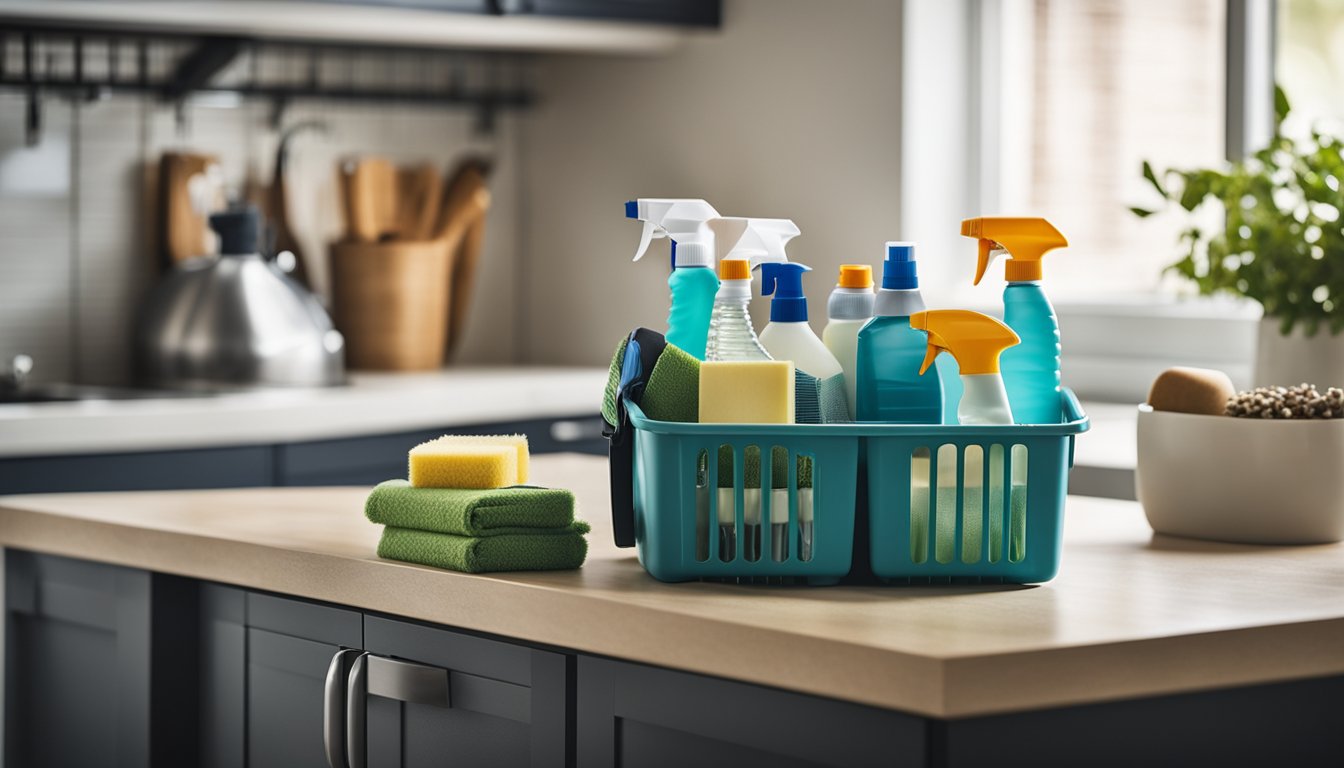
A portable cleaning caddy can be a speed-cleaner’s best friend. Load it with your supplies, and carry it with you from room to room. Here’s how to organize one efficiently:
- Choose a caddy that’s sturdy, has a handle, and offers compartments for organization.
- Place your cleaning products in the caddy first, grouping like items together.
- Roll or fold your microfiber cloths and place them next to the sprays.
- Add in your duster, gloves, and any other tools you’ll need.
- Keep a couple of spare garbage bags at the bottom for easy trash disposal as you move around.
With your caddy assembled, you’re ready to tackle each room without backtracking for supplies.
2: The Speed-Cleaning Plan
A strategic plan will keep you focused and ensure you use your hour wisely. Here’s how to create one:
Divide and Conquer
Think of your home as a series of zones. Common zones include the kitchen, bathroom, living room, and bedrooms. You’ll spend a dedicated amount of time in each zone for targeted cleaning.
Assign Time Limits
Decide how much time you’ll allot to each zone. Here’s a sample breakdown for a one-hour clean:
- Kitchen: 15 minutes
- Bathroom: 10 minutes
- Living/Dining Area: 10 minutes
- Bedrooms: 10 minutes
- Floors and Final Touches: 15 minutes
Setting a timer for each zone will help you stay on track and prevent you from getting bogged down in the details.
3. Room-by-Room Breakdown
Now that you’re equipped and have a plan, let’s break down the cleaning tasks for each room. Remember to stick to the allocated time for each zone to maintain the speed-cleaning momentum.
Kitchen Quick Clean (15 minutes)
The kitchen can be one of the busiest rooms in the house, but with focus, you can make it shine quickly.
- Clear the Clutter (2 minutes): Start with a rapid declutter. Put away any items that aren’t in their proper place, load the dishwasher, and clear the counters.
- Surfaces and Appliances (5 minutes): Spray and wipe down countertops, stove, and appliance fronts with your multipurpose cleaner. Use a glass cleaner for any shiny surfaces.
- Sink and Faucets (3 minutes): Scrub the sink with a suitable cleanser, rinse thoroughly, and wipe down faucets to a shine.
- Floors (5 minutes): Sweep or use a stick vacuum to collect crumbs and debris. Spot mop any sticky areas.
Bathroom Blitz (10 minutes)
Bathrooms require attention to disinfection and can be done swiftly with these steps:
- Toilet (3 minutes): Apply toilet bowl cleaner and let it sit. Wipe down the toilet seat, rim, and base with disinfectant wipes.
- Vanity and Mirror (3 minutes): Use glass cleaner for the mirror and multipurpose cleaner for the sink and counter. Wipe down and straighten any items on the vanity.
- Shower/Tub Quick Wipe (2 minutes): Give the shower or tub a quick spray with a daily shower cleaner or wipe down with a wet microfiber cloth.
- Floor (2 minutes): Sweep the floor or use a damp microfiber mop to capture hair and dust.
Living Area Refresh (10 minutes)
Living and dining areas are where you relax and entertain, so keeping them tidy is essential.
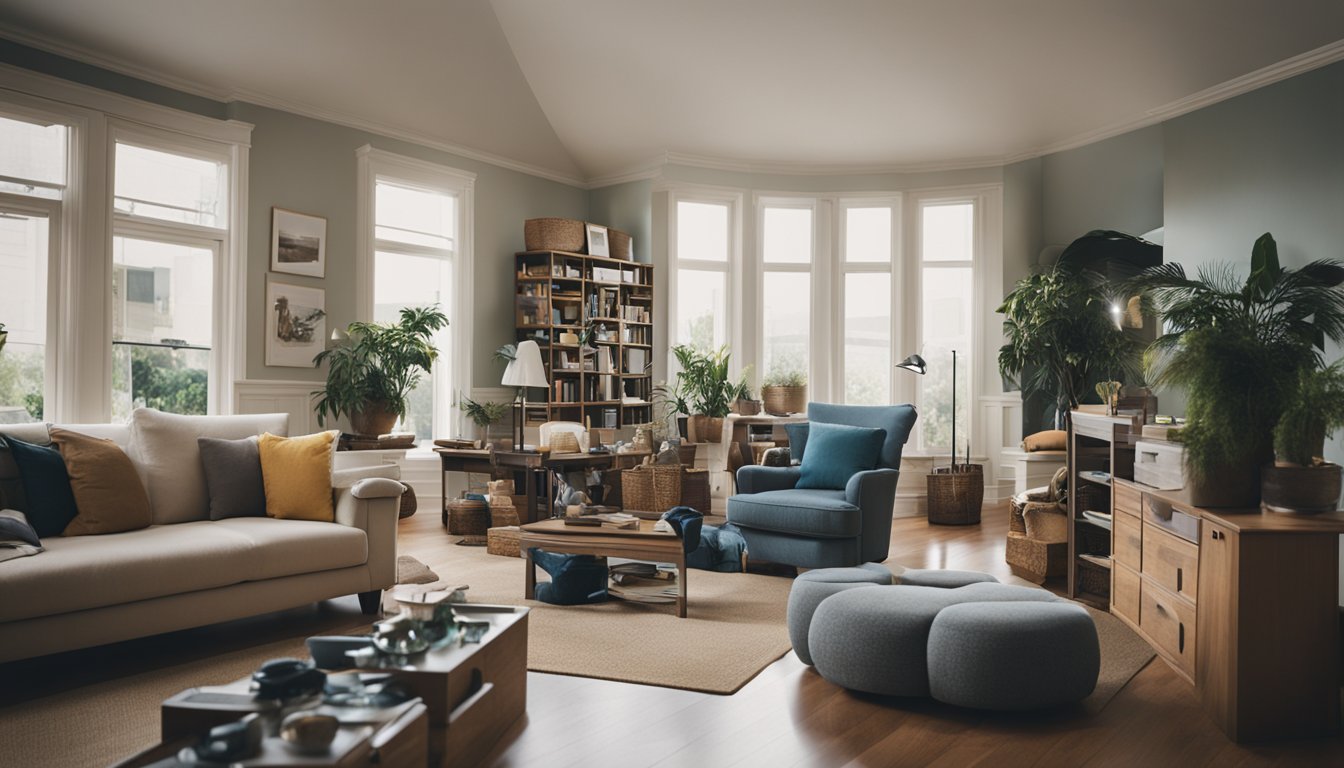
- Declutter (2 minutes): Quickly pick up any out-of-place items, stack magazines, and fluff pillows.
- Dusting (3 minutes): Using a microfiber cloth, dust surfaces, starting with the highest points like shelves and working down to tables.
- Glass Surfaces (2 minutes): Wipe down glass surfaces, including tabletops and TV screens, with a suitable cleaner.
- Floors (3 minutes): Quickly vacuum high-traffic areas, or sweep if you have hard flooring.
Bedroom Basics (10 minutes)
Bedrooms should be a sanctuary, and a quick tidy can make a big difference.
- Bed Making (3 minutes): Make beds neatly but don’t fuss over perfection. A tidy bed instantly lifts the room’s appearance.
- Surface Declutter (2 minutes): Clear nightstands and dressers of unnecessary items.
- Dusting (3 minutes): Dust all surfaces, including headboards and bedside tables.
- Floors (2 minutes): Quickly vacuum or sweep, focusing on visible dirt and dust.
Final Touches (15 minutes)
Use the last quarter-hour to address the floors throughout your home and any final details.
- Vacuuming/Sweeping (10 minutes): Vacuum carpets and rugs, and sweep or mop hard floors, working efficiently from one end of the house to the other.
- Spot Cleaning (3 minutes): Address any noticeable spots on floors or furniture that you’ve missed.
- Trash and Recycling (2 minutes): Empty all trash bins into your main garbage and recycling containers.
4: Efficiency Tips and Tricks
To maximize your speed-cleaning effectiveness, consider these additional tips:
Multi-tasking Musts
- Start laundry or dishwasher cycles before you begin cleaning, so they run while you’re busy with other tasks.
- Apply cleaners that need to sit (like toilet bowl cleaner or oven spray) at the beginning of your cleaning session, then return to scrub and rinse later.
Top-Down Cleaning Method
- Always clean from the top of a room down to avoid knocking dust onto already cleaned lower surfaces.
- For example, in the kitchen, start by wiping down the top of the fridge and cabinets before cleaning countertops and floors.
High-Traffic Focus
- Concentrate on areas that see the most use, as they’re likely to need the most attention.
- In the living room, this might mean vacuuming the rug and tidying the coffee table, while in the bathroom, it may be the sink and toilet.
By following this room-by-room guide and employing these efficiency tips, you’ll be able to breeze through your cleaning routine and still have time to enjoy your day. Stay tuned for the final section, where we’ll discuss how to maintain your home’s cleanliness between these power-clean sessions.
5: Maintenance Between Speed-Clean Sessions
Keeping your home clean isn’t just about the once-over you give it during your speed-cleaning hour; it’s also about the little things you do every day to maintain that cleanliness. Here are some strategies to keep your home in top shape between deep cleans.
Daily Tidying Habits
- Wipe As You Go: After using the bathroom or kitchen, take a moment to wipe down surfaces. This prevents buildup and makes your speed-cleaning sessions even quicker.
- No Dishes Left Behind: Make it a rule to never leave dirty dishes in the sink. Rinse and place them in the dishwasher or wash them by hand right away.
- Sort the Mail: Deal with mail as soon as you bring it inside. Recycle junk mail immediately, and have a designated spot for bills or correspondence that needs attention.
- One-Minute Rule: If a task can be done in one minute or less, do it immediately. This includes hanging up coats, putting away shoes, or returning items to their proper place.
Weekly Touch-Ups
- Dust-Off Days: Choose a day each week to do a quick dusting session throughout your home. This prevents dust from accumulating and makes your monthly deep cleans much easier.
- Vacuum Vital Areas: Even if you’re not doing a full speed-clean, running the vacuum through high-traffic areas once a week can make a big difference.
- Bathroom Refresh: Give your bathroom a mid-week wipe-down, including the sink, toilet, and shower, to keep things fresh.
- Floor Focus: Spot mop any spills or stains on your floors as they happen to prevent them from setting in and becoming more difficult to clean later.
By integrating these maintenance tips into your daily and weekly routine, you’ll find that your home stays cleaner with less effort. The key to a consistently clean home is regular upkeep, which reduces the need for long, drawn-out cleaning sessions.
Conclusion
Speed-cleaning is a practical approach to housekeeping for the busy homeowner. By being prepared, following a focused plan, and maintaining cleanliness with daily and weekly habits, you can enjoy a tidy home without sacrificing your entire day to cleaning.
Remember, the goal of speed-cleaning isn’t perfection—it’s about efficiency and consistency. With these strategies in hand, you’re well on your way to keeping your home clean and welcoming, no matter how packed your schedule might be.
Let Us Know How We’re Doing!
Did this expertly prepared resource answer your question?
Do you have another question about home maintenance, home improvement projects, home appliance repair, or something else?
Get more information, send in questions and keep the discussion going by contacting the I’ll Just Fix It Myself company customer service team at at 1-800-928-1490 or Email us at [email protected]
