
Safest Space Heater Choices for Your Home (For All Your Rooms & Spaces)

For optimal safety, choose an oil-filled radiator as the safest type of space heater for general use, like the DeLonghi TRD40615E, which provides consistent warmth without exposed elements, reducing fire risk.
In the bathroom, prefer heaters with ALCI safety plugs, such as Lasko’s Ceramic Bathroom Heater, designed to handle moisture.
For children’s safety, select heaters with child-proof features like the Vornadobaby Tempa Nursery Heater.
Ensure all space heaters have safety certifications, automatic shut-off, tip-over protection, and avoid using extension cords or leaving heaters unattended to maintain a safe and warm environment in your home.
The Safest Space Heater for General Use
For general use, oil-filled radiators are considered the safest type of space heater. They operate without a fan, reducing the risk of burning dust and allergens, and their surfaces stay relatively cool, minimizing burn hazards.
Why Oil-filled space heaters are considered the safest space heater:
- No Exposed Heating Elements: The design of oil-filled radiators eliminates the risk of objects catching fire from direct contact with heating coils.
- Stable Heating: These heaters provide consistent warmth without the need for intense heat, reducing the risk of overheating.
- Lower Surface Temperature: The exterior of oil-filled radiators doesn’t get as hot as other types, making them a safer choice around children and pets.
Comparing Safety Across Heater Types:
- Ceramic Heaters: While they heat up quickly, the coils in ceramic heaters can pose a burn risk if touched. They often come with safety features like cool-touch exteriors and tip-over protection.
- Infrared Heaters: These heaters are efficient and provide direct warmth, but their surfaces can become quite hot, which requires careful placement away from flammable materials.
The Bottom Line: When selecting a space heater for general use, consider an oil-filled radiator for its superior safety features. Always verify that the model you choose comes with the essential safety certifications and features like automatic shut-off and overheat protection.
In the following sections, we will dive into the safest space heater recommendations for specific areas of your home, such as the bedroom, bathroom, and spaces where children play.
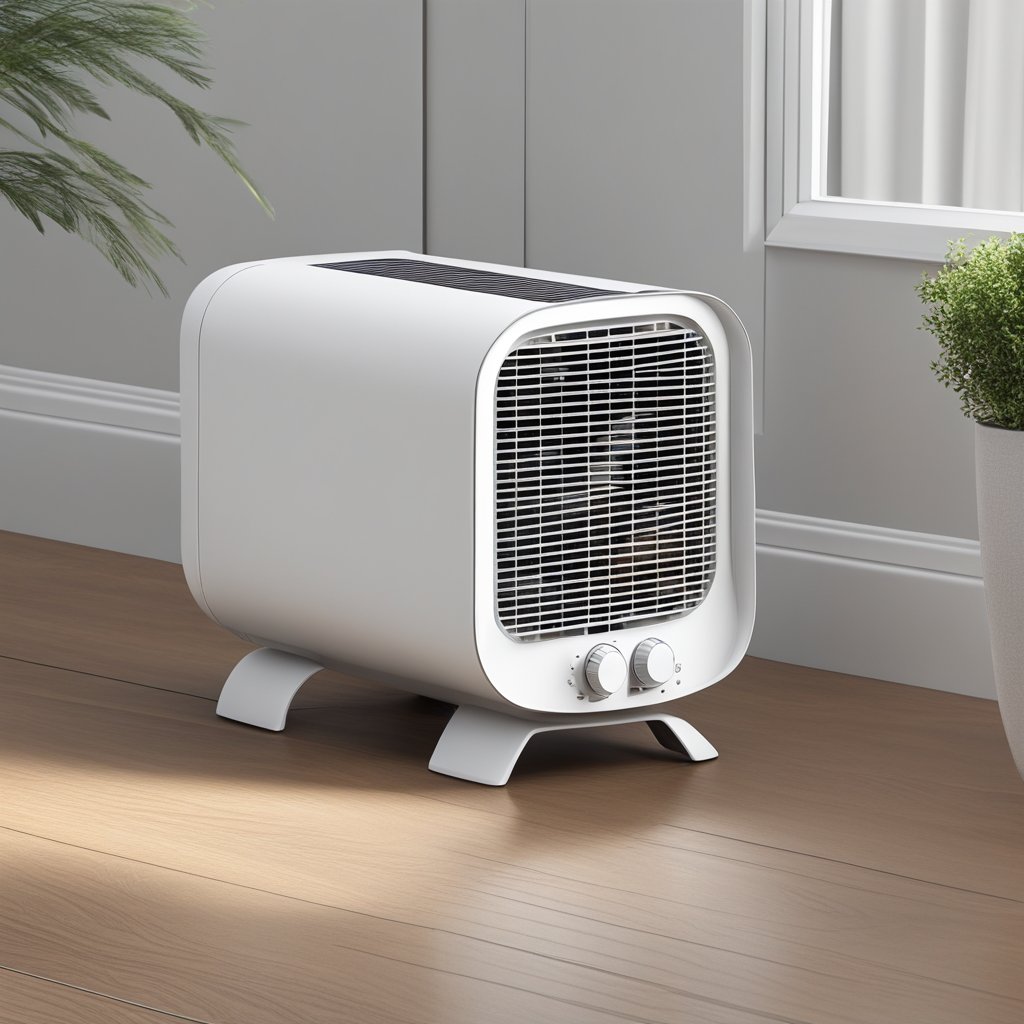
Safest Space Heater for the Bedroom
For the bedroom, the safest option is typically an oil-filled radiator, such as the DeLonghi TRD40615E Full Room Radiant Heater. This type of heater operates quietly, has a lower surface temperature, and includes a 24-hour programmable timer, making it ideal for overnight use.
Ideal Features for Bedroom Heaters:
- Quiet Operation: Oil-filled heaters do not have fans, making them exceptionally quiet and perfect for a noise-free sleeping environment.
- Timers: A timer can pre-warm your bedroom and automatically turn the heater off after you fall asleep, ensuring safety and comfort throughout the night.
- Overheat Protection: This feature is crucial to prevent overheating while you sleep, offering an extra layer of safety.
Recommended Bedroom Heater:
- DeLonghi TRD40615E: Known for its durability and built-in safety features, such as a thermal cutoff and anti-freeze setting, this heater is a top choice for bedroom use.
The Bottom Line: When selecting a space heater for your bedroom, prioritize features that ensure a safe and comfortable sleeping environment, such as silent operation, timers, and overheat protection. Look for models with safety certifications and positive consumer reviews for peace of mind.
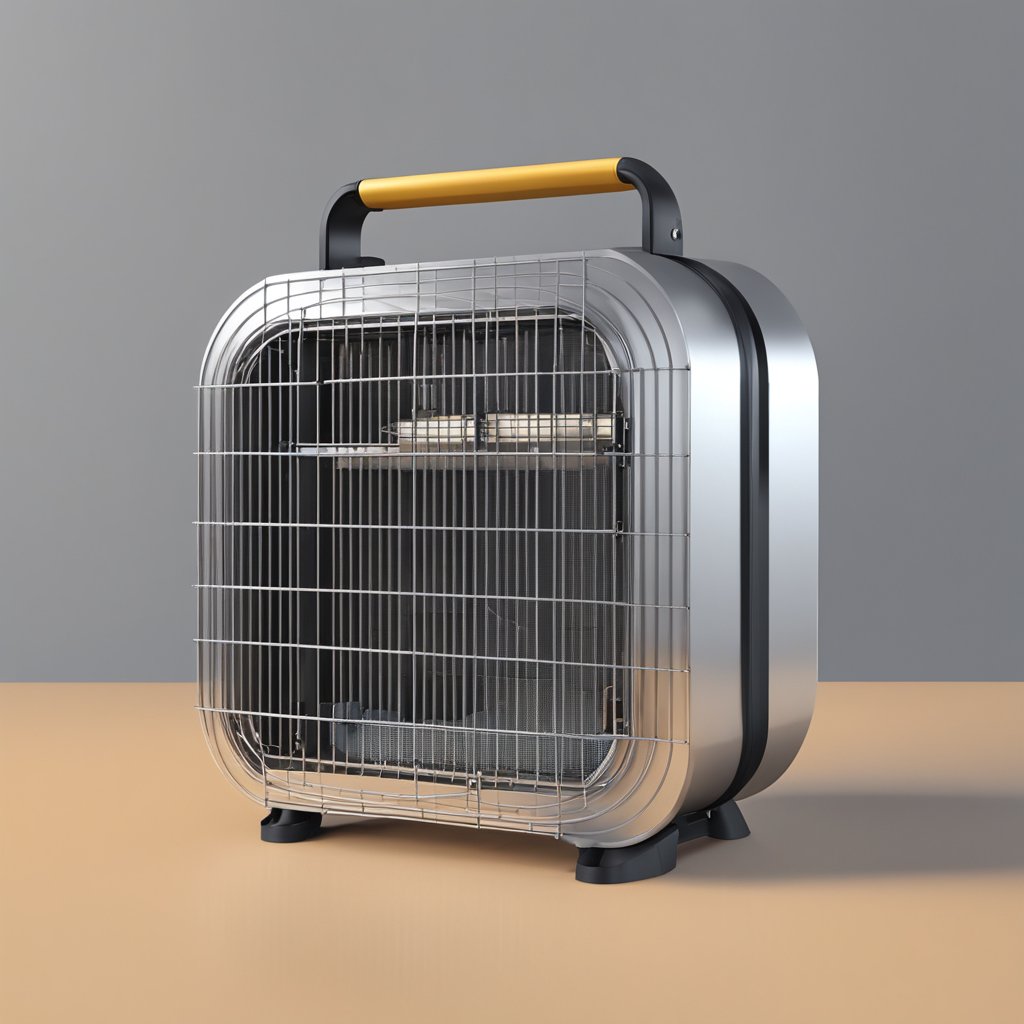
Safest Space Heater for the Bathroom
In the bathroom, you’ll want a heater designed to handle moisture safely. A good choice is the Lasko CD08200 Small Portable Ceramic Space Heater, which features an ALCI safety plug, making it suitable for bathroom use due to its built-in GFCI protection.
Essential Safety Features for Bathroom Heaters:
- ALCI Safety Plugs: These plugs are designed to prevent electric shock, a must-have feature for any electrical appliance used in a bathroom.
- Cool-to-the-Touch Exterior: Ensures the heater can be handled safely, even after extended use.
- Water-Resistant Design: Select heaters that are built to resist moisture and can safely operate in a bathroom environment.
Top Bathroom Heater Pick:
- Lasko’s Ceramic Bathroom Heater: With an ALCI safety plug, this heater is designed for bathroom use, offering three heat settings and an automatic shut-off feature for safety.
The Bottom Line: For bathroom heating, it’s essential to choose a heater that is designed with moisture-resistant features and equipped with an ALCI plug. Features like a cool-touch exterior and auto shut-off are also important for maintaining safety in a bathroom setting.
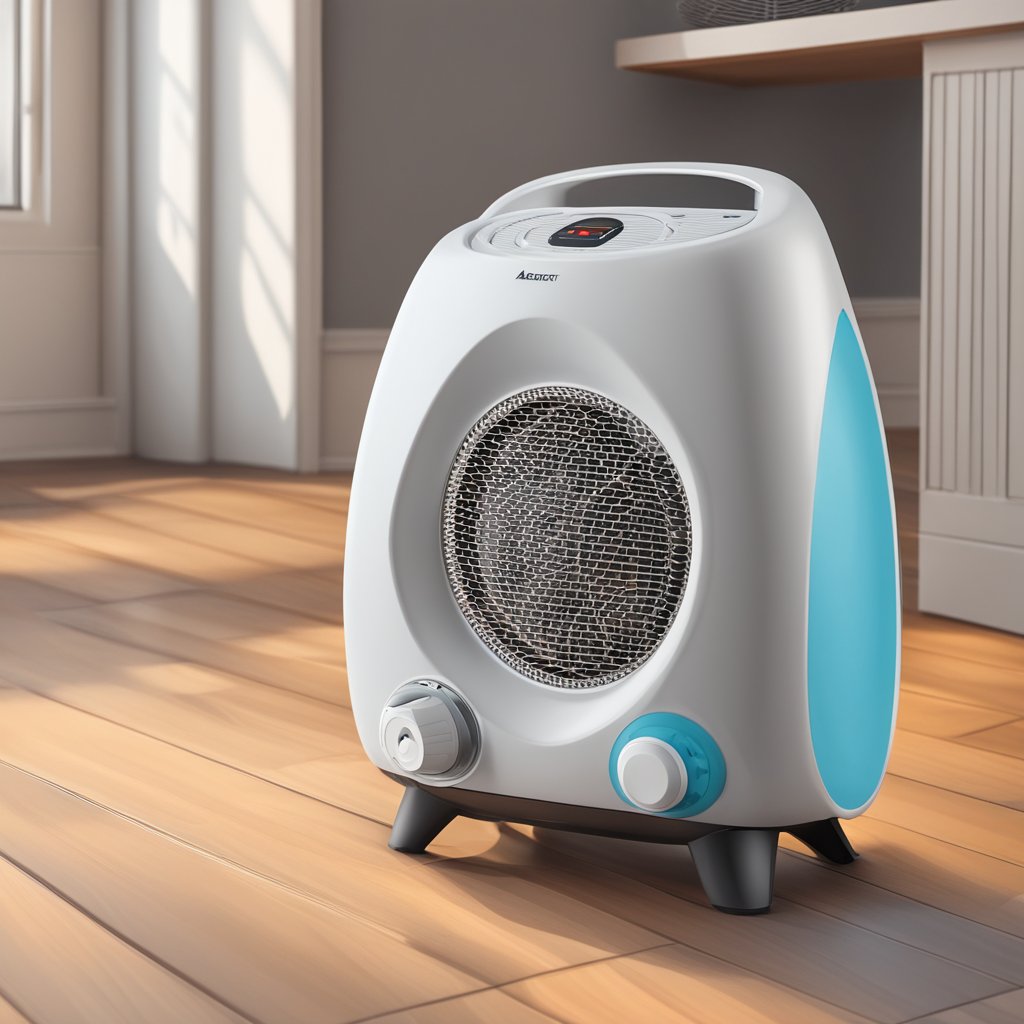
Safest Space Heater for Families with Children
When children are around, safety is paramount. The Vornadobaby Tempa Nursery Heater is specifically designed for a child’s room. It has a cool-touch exterior, automatic safety shut-off, tip-over protection, and child lock controls.
Key Safety Features for Child-Proof Heaters:
- Cool-to-the-Touch: Heaters that remain cool on the exterior prevent burns upon accidental touching.
- Tip-Over Protection: This feature automatically turns the heater off if it’s tipped over, an essential for homes with active kids.
- Child Lock Controls: Prevent children from tampering with the heater settings, maintaining a safe heating environment.
Recommended Heater for Children’s Spaces:
- Vornadobaby Tempa Nursery Heater: Designed with the safety of children in mind, this heater includes a child lock, cool exterior, and automatic safety shut-off.
The Bottom Line: When selecting a space heater for a family with children, prioritize features that enhance safety around active little ones. Heaters with a cool exterior, tip-over protection, and child-proof controls are ideal to ensure a child-friendly heating solution.
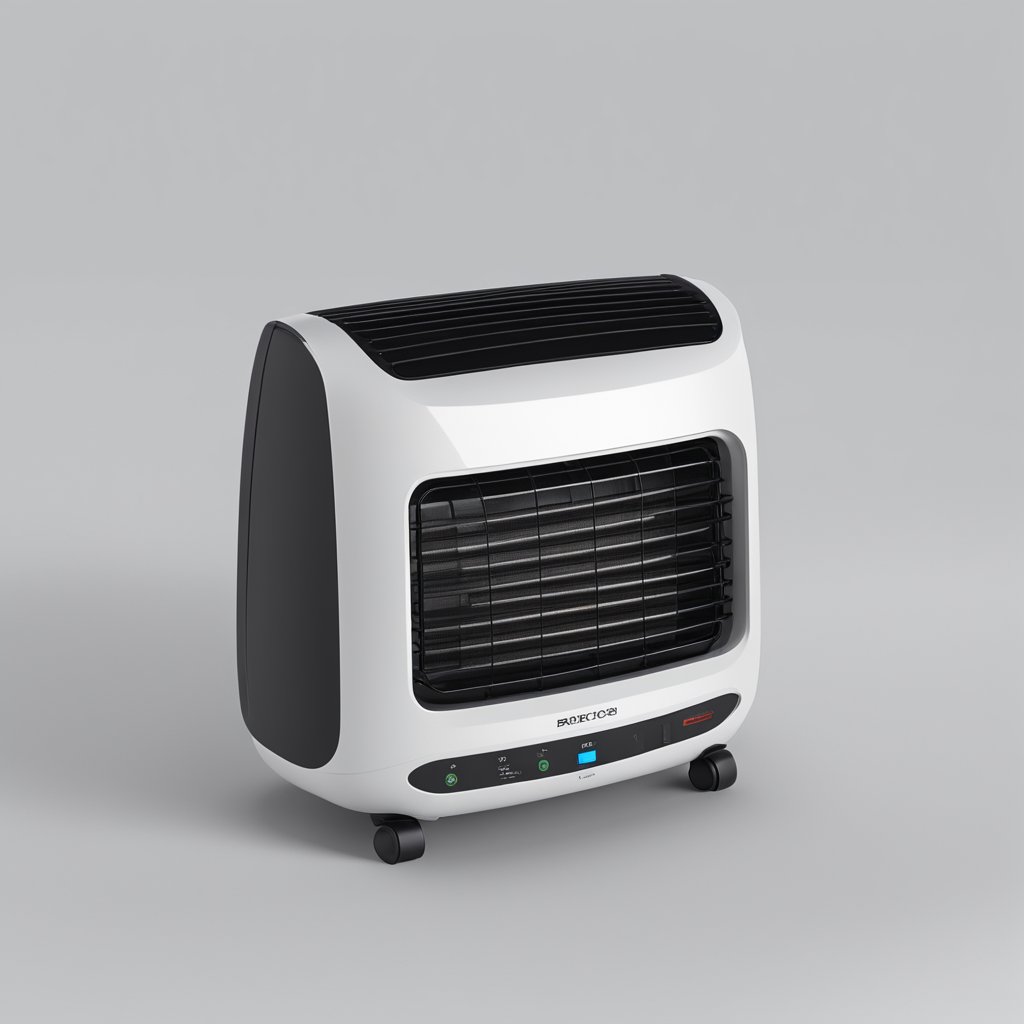
Safest Space Heater for High-Traffic Areas
In high-traffic areas of the home, the safest space heaters are those that combine sturdy construction with safety features that prevent accidents, even in busy environments.
Safety Considerations for High-Traffic Heaters:
- Sturdy Design: A space heater with a low, stable base is less likely to be knocked over.
- Automatic Shut-off: Essential for areas with lots of movement, this feature ensures the heater turns off if it’s tipped over.
- Motion Sensors: Some advanced models come with motion sensors that shut off the heater if no movement is detected for a set period, adding an extra layer of safety.
Recommended Heater for Busy Areas:
- For high-traffic areas, durability and stability are key. The Dyson Hot + Cool Jet Focus AM09 Fan Heater is an excellent option as it’s bladeless, reducing the risk of injury, and includes a tip-over automatic shut-off function.
The Bottom Line: The safest space heater for high-traffic areas is one that won’t easily tip over and has features like automatic shut-off and motion sensors to adapt to the dynamic nature of the space.
Safest Space Heater for Small Spaces
For small spaces, the safest space heaters are those with a compact design, overheat protection, and adjustable settings to ensure the space is heated efficiently without becoming a fire hazard.
Optimal Safety Features for Small Heaters:
- Overheat Protection: A critical feature that automatically shuts off the heater if internal components reach an unsafe temperature.
- Adjustable Thermostat: Allows precise temperature control to avoid excessive heat buildup in a confined area.
- Space-Saving Design: Compact heaters minimize the risk of being knocked over or obstructing pathways.
Ideal Heater for Compact Areas:
- In small spaces, the Honeywell HCE200W UberHeat Ceramic Heater is a solid choice. It’s compact, has two heat settings, and includes overheat protection. Its small size makes it easy to place safely out of high-traffic areas.
The Bottom Line: The safest space heater for small spaces should have a space-efficient design and safety features that prevent overheating. An adjustable thermostat and overheat protection are key to maintaining a safe and comfortable temperature in compact areas.
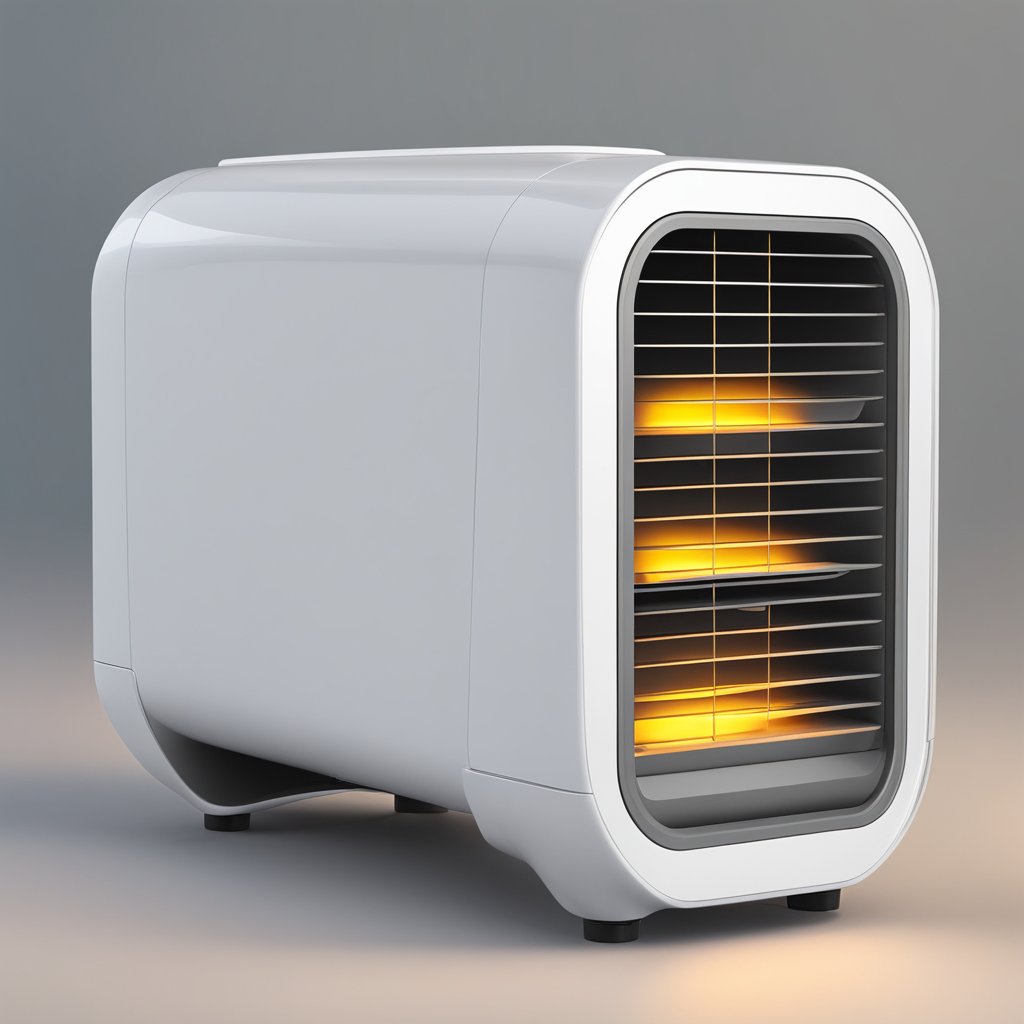
What is the Safest Type of Space Heater to Leave Unattended?
The safest type of space heater to leave unattended is one with comprehensive built-in safety features like automatic shut-off, tip-over protection, and overheat sensors. These features are crucial in preventing accidents when the heater is not actively being monitored.
Critical Safety Features for Unattended Operation:
- Automatic Shut-off: Heaters equipped with this function will turn off automatically if they overheat, reducing the risk of fire.
- Tip-over Protection: This feature ensures the heater turns off instantly if it gets knocked over, crucial for unmonitored situations.
- Overheat Sensors: Sensors that detect overheating can shut the heater down before it becomes a fire hazard.
The Safest Heaters for Unattended Use:
- Oil-Filled Radiators: Their design naturally prevents overheating, making them safer to leave on without supervision. Models like the DeLonghi Dragon4 Programmable Portable Radiator have programmable timers and multiple safety features suitable for unattended use.
- Ceramic Heaters with Automatic Timers: Heaters like the Honeywell HCE200W UberHeat Ceramic Heater offer reliable safety mechanisms and the option to set operating times, ensuring they run only when needed.
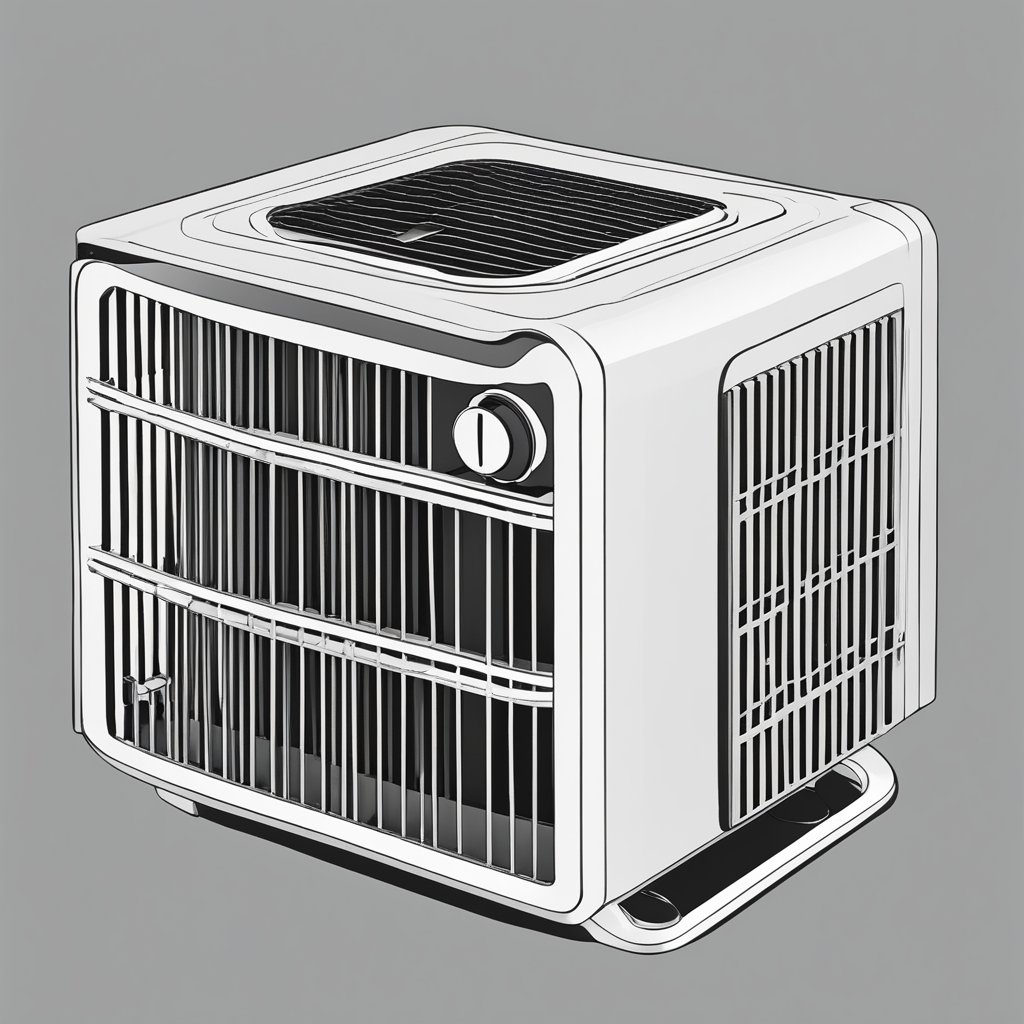
How To Use a Space Heater Safely
To use a space heater safely, ensure it has safety certifications and is kept at least three feet from flammable objects. Always place it on a solid, flat surface and plug it directly into an outlet, avoiding extension cords and power strips.
Best Practices for Space Heater Safety:
- Proper Placement: Keep heaters on a level surface, away from foot traffic and at least three feet from combustible materials like curtains and furniture.
- Direct Connection: Plug your heater directly into a wall outlet. Extension cords can overheat and are not recommended for high-wattage appliances.
- Supervision: Never leave a space heater running unattended, and always turn it off when leaving the room or going to sleep.
Tips from Safety Experts:
- Certification: Choose heaters with a safety certification from a recognized testing laboratory, such as UL (Underwriters Laboratories).
- Safety Features: Opt for models with an automatic shut-off, tip-over protection, and adjustable thermostat for a safer heating experience.
The Bottom Line: Adhering to safety guidelines is essential when using space heaters. By following expert advice and using heaters equipped with the latest safety technology, you can reduce the risk of accidents and create a warm, safe environment in your home.
Most Important Safety Features for Space Heaters
The safest space heaters are those with comprehensive built-in safety features like overheat protection, automatic shut-off mechanisms, and cool-to-the-touch surfaces. When shopping, prioritize heaters with these features, certified by reputable organizations such as UL, to ensure a high safety standard.
Identifying Crucial Safety Features:
- Certifications: Look for space heaters that have been independently tested and certified by recognized safety organizations, which is an indicator of safety and reliability.
- Automatic Shut-off: Choose heaters with an auto shut-off feature that activates when the heater tips over or overheats, which is vital for preventing fires and burns.
- Adjustable Thermostats: A thermostat allows for better temperature control, reducing the risk of overheating and energy waste.
Advanced Safety Features for Modern Heaters:
- Tip-over Switches: These switches automatically turn the heater off if it gets knocked over, an important feature for households with children and pets.
- Cool-to-the-touch Surfaces: Safest for active spaces, these surfaces help prevent accidental burns upon contact.
- Timer Functions: Timers can be set to automatically turn the heater off after a certain period, which is useful for avoiding overheating and for saving energy.
The Bottom Line: Selecting a space heater with robust safety features is essential. These features not only protect against potential hazards but also contribute to the efficient operation of the heater, providing peace of mind while keeping your space warm.
What Are the Biggest Risks with Space Heaters? (What Makes Space Heaters Unsafe)
The safest type of space heater is one with built-in safety features such as automatic shut-off, tip-over protection, and overheat sensors. Opt for space heaters that are certified by recognized testing laboratories like UL (Underwriters Laboratories) to ensure they meet stringent safety standards.
Understanding the Importance of Space Heater Safety:
- Rising Risks: Highlight the NFPA’s data showing space heaters as a leading cause of home heating fires, stressing the importance of choosing safe heating options.
- Inherent Dangers: Discuss common hazards associated with space heaters, such as overheating and electrical malfunctions, and how they can lead to serious accidents.
Evaluating the Risks:
- Electrical Overload: Explain the risks associated with high-wattage space heaters, such as the potential to overload circuits, which can wear down wiring and increase the risk of fire.
- Heating Element Exposure: Address the dangers of exposed heating elements found in some space heaters and the potential for flammable materials to ignite if they come in contact with the heater.
- Dust and Debris: Describe how the accumulation of dust and other particles in space heaters can pose a fire risk and diminish air quality, emphasizing the importance of regular cleaning and maintenance.
The Bottom Line: Safety should be the leading factor when selecting a space heater. Understanding and mitigating the risks associated with space heater use can prevent accidents and ensure a safe, cozy home during the winter months.
What to Avoid When Choosing and Using a Space Heater
When choosing and using a space heater, avoid models without safety certifications and never use extension cords or power strips, as they can cause overheating and electrical fires. Always select a space heater with the right safety features and use it according to the manufacturer’s instructions for a safe experience.
Common Mistakes to Avoid:
- Ignoring Safety Certifications: Always ensure your space heater is tested and certified by a reputable agency like UL for safety assurance.
- Using Improper Power Sources: Plugging a space heater into an extension cord or power strip can lead to overheating and potential fire hazards.
- Covering or Concealing Heaters: Never cover a space heater or place it where it can be covered by furniture or other items, as this can cause overheating.
Safety Missteps to Watch Out For:
- Leaving Heaters Unattended: Space heaters should never be left operating while unattended, especially when pets or children are present.
- Placing Heaters Near Water: Keep all types of space heaters away from water to prevent electric shock and damage to the heater.
The Bottom Line: It’s as important to know what to avoid as it is to know what to do when it comes to space heater safety. By being aware of these common mistakes, you can choose and use your space heater in a way that ensures the safety and comfort of everyone in your home.
Check Out Our Complete Guide to Space Heaters!
If you enjoyed this post, check out our complete guide to space heaters for more information on space heater types, safety features, troubleshooting common issues, and how to choose the right space heater for your needs!
Let Us Know How We’re Doing!
Did this expertly prepared resource answer your question?
Do you have another question about home maintenance, home improvement projects, home appliance repair, or something else?
Get more information, send in questions and keep the discussion going by contacting the I’ll Just Fix It Myself company customer service team at at 1-800-928-1490 or Email us at [email protected]
