
The Ultimate Checklist for Deep-Cleaning Your Kitchen (Daily, Weekly, Monthly, Quarterly!)

A gleaming, spotless kitchen is not just a feast for the eyes; it’s a vital practice for maintaining hygiene and ensuring food safety in your home. But let’s face it, the kitchen is one of the hardest-working rooms in your house—it’s where meals are prepared, dishes are done, and often where the family gathers.
Over time, splatters, spills, and crumbs can accumulate in nooks and crannies, which regular cleaning might overlook. That’s why deep-cleaning your kitchen is essential, not only for the aesthetic appeal but also for the well-being of everyone in your household.
In this ultimate checklist, we will guide you through each step of deep-cleaning your kitchen, ensuring that every corner is sparkling and every surface is sanitized.
Supplies Needed for a Kitchen Deep Clean
Before you roll up your sleeves and start scrubbing, make sure you have all the necessary supplies on hand. A well-stocked cleaning arsenal will make the process more efficient and less of a chore. Here’s what you’ll need:
- Microfiber Cloths: These are great for cleaning surfaces without leaving streaks or lint behind.
- Scrubbers: Have a variety of scrubbers, from soft sponges for delicate surfaces to steel wool for tough grime.
- All-Purpose Cleaner: Choose a good quality all-purpose cleaner for countertops, stovetops, and other surfaces.
- Degreaser: This is essential for tackling tough grease buildup, especially around the stove and oven.
- Glass Cleaner: For windows, glass cabinets, and any mirrored surfaces.
- Baking Soda and Vinegar: These natural products are great for dealing with stubborn stains and for use as a non-toxic cleaning alternative.
- Disinfectant Spray or Wipes: To sanitize areas after they’ve been cleaned.
- Oven Cleaner: For deep cleaning the oven, unless you prefer a more natural method using baking soda and vinegar.
- Rubber Gloves: Protect your hands from harsh chemicals and hot water.
- Duster: For reaching high places and removing cobwebs.
- Mop and Bucket: For cleaning the floors.
- Broom and Dustpan: For sweeping up debris before mopping.
- Vacuum with Attachments: For cleaning out drawers and getting into tight spaces.
With these tools at the ready, you’re well-prepared to tackle the task of deep-cleaning your kitchen.

Daily Kitchen Cleaning Tasks
A clean kitchen is a daily commitment. By incorporating these simple tasks into your routine, you can prevent the buildup of dirt and grime, making your deep-cleaning sessions much more manageable.
- Wipe Down Countertops and Surfaces: After preparing meals, take a few minutes to wipe down countertops with a damp microfiber cloth and all-purpose cleaner. Don’t forget to clean cutting boards, which can harbor bacteria.
- Sweep and Spot-Mop the Floor: Each day, sweep the floor to collect crumbs and debris. If you notice any spills or sticky spots, quickly mop them up with a floor cleaner suitable for your kitchen’s flooring type.
- Clean the Sink and Dishes: A clean sink is the centerpiece of a hygienic kitchen. After doing the dishes, rinse the sink with warm water, scrub with a sponge and a bit of baking soda if necessary, and finish by rinsing with a vinegar solution to disinfect and shine.
Weekly Kitchen Cleaning Tasks
While daily tasks keep your kitchen in good shape, weekly tasks focus on areas that require a bit more attention to maintain cleanliness and function.
- Mop the Entire Floor: Once a week, give your kitchen floor a thorough mop. Start by sweeping or vacuuming to remove loose debris, then use a mop and a suitable floor cleaner to wash the floor. Remember to get into the corners and under the edges of cabinets.
- Wipe Appliances’ Exteriors: Appliances like the refrigerator, dishwasher, and oven can accumulate fingerprints and splatters. Use a damp cloth with a little all-purpose cleaner or a stainless-steel cleaner for those appliances to keep them looking their best.
- Clean the Microwave Interior: Microwaves can get dirty quickly. To clean, heat a bowl of water with a slice of lemon for a few minutes. The steam will loosen any food splatters, and the lemon will help eliminate odors. Wipe down the interior with a cloth or sponge.
By staying on top of these daily and weekly tasks, you’ll ensure that your kitchen remains a clean and welcoming space for cooking and gathering. Plus, when it’s time for your monthly deep clean, you’ll find the process much smoother and faster.

Monthly Kitchen Cleaning Tasks
Your monthly cleaning tasks are about going deeper than your weekly surface-level clean. This is the time to address those areas that don’t need weekly attention but can become problematic if neglected for too long.
- Deep Clean the Oven and Stovetop: Your oven and stovetop can accumulate a surprising amount of grease and burnt-on food. Use an oven cleaner for the interior, following the manufacturer’s instructions, and don’t forget to clean the oven racks. For the stovetop, remove the burners and knobs if possible and soak them in soapy water before scrubbing.
- Clear Out and Wipe Down the Refrigerator: Remove all the items from your refrigerator, discard any expired products, and wipe down the shelves and drawers with a disinfectant. This is also a great time to organize your fridge to ensure everything is easily accessible.
- Descale the Coffee Maker and Other Small Appliances: Mineral buildup can affect the taste of your coffee and the efficiency of your appliances. Follow the manufacturer’s instructions to descale your coffee maker. Clean other small appliances like toasters and blenders, removing any crumbs and residues.
Quarterly Kitchen Cleaning Tasks
Every few months, take some time to tackle those areas that don’t require monthly attention but can still benefit from a thorough cleaning.
- Empty and Clean the Insides of Cabinets and Drawers: Over time, crumbs and debris can accumulate in your cabinets and drawers. Empty them out, vacuum the inside, and wipe them down with a damp cloth. This is also an excellent opportunity to declutter and reorganize your kitchenware.
- Deep Clean the Dishwasher: To ensure your dishwasher is running efficiently and your dishes are coming out clean, you’ll need to periodically check and clean the filter, wipe down the edges and door, and run a dishwasher cleaning cycle with a specialized cleaner or vinegar.
- Clean Under and Behind Appliances: Move your fridge, stove, and other large appliances away from the wall (if possible) to sweep and mop the floor underneath. Also, clean the backside of the appliances where dust and grime can accumulate.
These monthly and quarterly tasks will help keep your kitchen in top shape and prevent the kind of buildup that can turn into a major cleaning project down the line. By breaking down tasks into manageable chunks, you can keep your kitchen looking its best without feeling overwhelmed.
Annual Kitchen Deep-Cleaning Tasks
Once a year, it’s time to roll up your sleeves and tackle those big jobs that ensure your kitchen’s longevity and continued hygiene. These tasks might take a bit more time and elbow grease, but the results are well worth it.
- Clean and Organize the Pantry: Take everything out of your pantry, check expiration dates, and discard anything that’s out of date or no longer needed. Wipe down the shelves, organize your items by category, and consider using containers for bulk items to keep them fresh and easily accessible.
- Deep Clean the Refrigerator Coils and Behind the Unit: Dust and dirt can accumulate on your refrigerator coils, causing it to work harder and use more energy. Unplug the fridge, pull it away from the wall, and use a coil brush and vacuum to clean the coils. This is also a good time to mop the floor underneath and behind the fridge.
- Check and Clean the Kitchen Exhaust Fan or Range Hood: Grease and dust can clog your exhaust fan or hood filters, reducing their effectiveness. Remove the filters and soak them in a degreasing solution before rinsing and replacing. If your fan has a vent leading outside, check that it’s clear of debris.
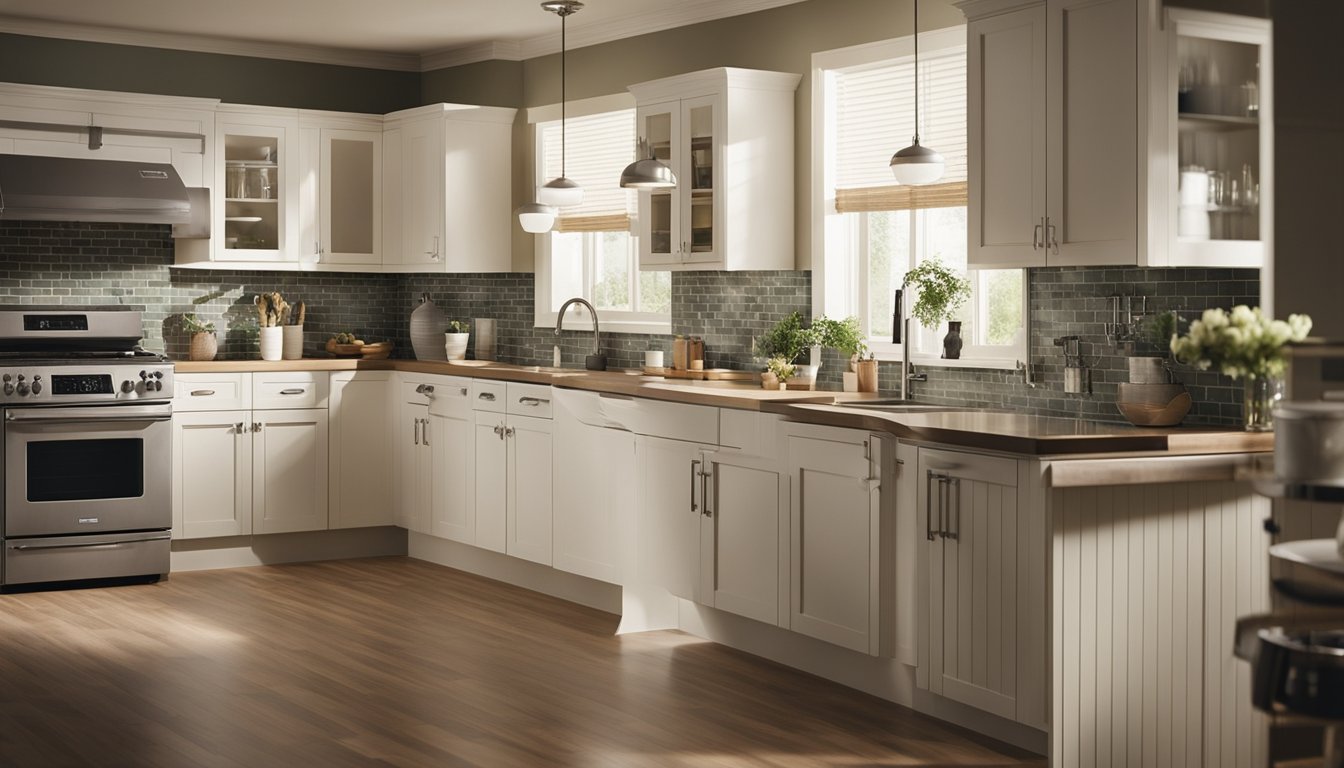
Step-by-Step Kitchen Deep-Cleaning Process
Now that you’ve got a grasp of the tasks ahead, let’s dive into a step-by-step deep-cleaning process to make your kitchen shine:
- Start at the Top: Begin with the highest points like the tops of cabinets, the refrigerator, and light fixtures. Dust and wipe down these areas first so any debris falls to the floor, which you’ll clean last.
- Move to the Walls and Windows: Wipe down the walls, backsplash, and windows. Pay special attention to areas around the stove and sink where splatters and steam can leave marks.
- Tackle the Appliances: Follow the detailed instructions for each appliance mentioned in the monthly and quarterly tasks. Remember to clean both inside and out.
- Cabinets and Drawers: After emptying them, wipe down the inside and outside of all cabinets and drawers. Consider lining them with shelf paper for easy cleaning in the future.
- Countertops and Surfaces: Clear off your countertops and give them a thorough cleaning. If you have natural stone countertops, use a cleaner specifically designed for that material.
- Sink and Faucets: Use a disinfectant to clean your sink thoroughly. Don’t forget to scrub around the faucet and the drain.
- Finish with the Floors: Once everything else is clean, sweep and mop the floors. If you have grout, this might be a good time to give it a deep clean as well.
By following this process, you ensure that every part of your kitchen gets the attention it deserves, leaving you with a space that’s not only clean but also a joy to use.

Organizing Tips for Maintaining a Clean Kitchen
Keeping your kitchen organized is key to maintaining cleanliness. An organized space makes it easier to find what you need and simplifies the cleaning process. Here are some tips to help you keep your kitchen in order:
- Declutter Regularly: Go through your kitchen items periodically and decide what you need to keep, what to donate, and what to throw away. A minimalist approach can make it easier to maintain order and cleanliness.
- Use Storage Solutions: Invest in storage solutions such as drawer dividers, shelf organizers, and pantry bins. These can help keep everything in its place and make it easier to access the items you use regularly.
- Label Everything: Labeling shelves, bins, and containers not only helps you find items quickly but also helps other members of your household know where things go, which can keep the kitchen organized.
- Adopt the ‘One In, One Out’ Rule: To avoid overcrowding your kitchen, make a rule that for every new item you bring in, you should remove an old one. This is especially useful for gadgets and small appliances.
- Keep Countertops Clear: Store infrequently used appliances in cabinets or a pantry to keep countertops clear. This not only creates a more spacious feel but also makes wiping down surfaces much quicker.
- Create a Cleaning Caddy: Keep all your cleaning supplies in a portable caddy so you can easily move from one task to another without searching for supplies.
By implementing these organizing tips, you’ll create a kitchen that’s easier to clean and maintain, making the deep-cleaning process less daunting and more efficient.
Conclusion
Deep-cleaning your kitchen is a rewarding task that can refresh your space and make it a healthier environment for cooking and socializing. By breaking down the tasks into daily, weekly, monthly, quarterly, and annual chores, you can maintain a clean kitchen throughout the year without feeling overwhelmed.
Remember, the ultimate goal is to create a space that feels good to be in and one that you’re proud to show off. Personalize this checklist to suit your kitchen’s specific needs and enjoy the satisfaction of a sparkling clean kitchen.
Let Us Know How We’re Doing!
Did this expertly prepared resource answer your question?
Do you have another question about home maintenance, home improvement projects, home appliance repair, or something else?
Get more information, send in questions and keep the discussion going by contacting the I’ll Just Fix It Myself company customer service team at at 1-800-928-1490 or Email us at [email protected]
