
Toilet Brush Alternatives: Innovative Solutions for Bathroom Cleaning

In my years of exploring environmentally conscious home practices, I’ve examined a multitude of ways to maintain a clean and hygienic bathroom. Traditional toilet brushes, commonly made of plastic, pose disposal challenges and environmental concerns due to their non-biodegradable nature. The quest for toilet brush alternatives has gained momentum, with a focus on reducing plastic waste and improving sanitary conditions.
Sanitation and sustainability can go hand in hand with the right tools. Eco-friendly alternatives such as biodegradable brushes and disposable scrubbers provide practical solutions. They cater to a hygienic cleaning experience while addressing environmental impacts. Through testing various products and understanding their ecological footprint, I’ve discovered effective substitutes that align with both cleanliness and conservation goals.
The Importance of Toilet Brushes and Hygiene
As an expert in domestic cleanliness, I can attest that understanding the dual role of toilet brushes in maintaining a hygienic bathroom is crucial. Let’s examine how these tools clean and the issues they may harbor.
The Role of Toilet Brushes in Cleaning
Toilet brushes serve a fundamental purpose in bathroom sanitation. Their bristles are designed to reach under the rim and scrub away stains, ensuring the toilet bowl is clean. Proper use involves a good-quality cleaner, thorough scrubbing, and regular replacement of the brush itself to maintain effectiveness.
Bacterial Concerns and Hygienic Alternatives
However, toilet brushes aren’t without their concerns. Bacteria and germs can cling to a brush’s bristles and handle, posing a hygiene risk. Therefore, exploring alternatives is essential for a sanitary bathroom. Hygienic options include water jet cleaners like the Loogun which uses a clean water spray for scrubbing and disposable brush heads that minimize the risk of germ transfer. These alternatives provide effective toilet cleaning while reducing the spread of germs.
Alternatives to Traditional Toilet Brushes
Exploring alternative toilet cleaning tools can lead to more hygienic and environmentally-friendly household practices. Here are specific options that cater to different preferences and needs.
Eco-Friendly Materials and Designs
In my experience, bamboo and silicone toilet brushes are reliable eco-friendly alternatives. Bamboo is known for its durability and natural antibacterial properties—which makes a bamboo toilet brush a smart choice.
The silicone toilet brush, a more recent innovation, can be designed with flexible, easy-to-clean bristles that prevent bacterial buildup. Both options can be complemented with biodegradable cleaning solutions to further support sustainable living.
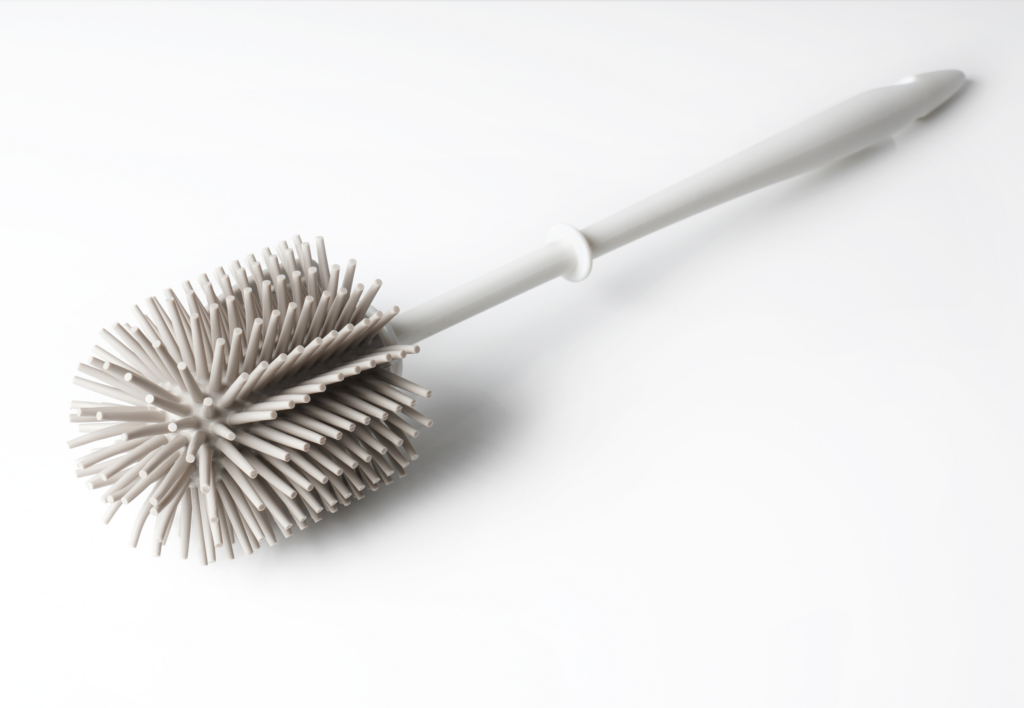
Eco-Friendly Toilet Brush Options:
- Bamboo: Natural, durable, antibacterial
- Silicone: Hygienic, flexible, easy to clean
Disposable versus Reusable Options
When convenience is a priority, disposable options like the Clorox ToiletWand system offer a solution. This cleaning tool comes with disposable, preloaded cleaning heads – ready to use and toss away after the job is done.
However, for those of us looking to minimize waste, reusable toilet brushes with replaceable heads are a prudent choice. From my perspective, the key with reusable options, like the Sellemer brush, is to find one with a sturdy handle and a replaceable, biodegradable scrubbing head.
Toilet Brush Comparison:
- Disposable: Clorox ToiletWand, single-use heads
- Reusable: Sellemer Toilet Brush, replaceable biodegradable heads
Innovative Toilet Cleaning Systems
Beyond the manual scrubbers, there are innovative cleaning systems that can transform the way we tackle toilet hygiene. For example, the Tushy brush is a notable mention, employing water jets to clean surfaces without physical contact.
As someone who values cleanliness, I find these types of products not only enhance cleaning efficacy but also promote a more pleasant and touch-free bathroom experience.
Innovative Cleaning Systems:
- Tushy: Touch-free, water jet system
- Loogun: Daily, splash-free water jet cleaning
These alternatives to traditional toilet brushes offer various benefits, from environmental sustainability to improved hygiene, aligning with the values and needs of modern households.
Selection and Usage Tips
When selecting the best toilet brush alternative, it’s critical to consider both function and hygiene. I’ll walk you through the essentials of choosing and maintaining these tools for optimal bathroom cleanliness.
Choosing the Best Toilet Brush Alternative
In my experience, the best toilet brush alternative should meet specific criteria for effectiveness and ease of use. Look for a tool that offers a sturdy grip and an ergonomic handle, ensuring it’s comfortable to handle during cleaning.
Additionally, value doesn’t just mean an affordable price; consider the longevity of the tool and its cleaning system. A good alternative will come with a storage caddy or toilet-brush holder to keep it hygienically tucked away when not in use.
- Sturdy Grip: Ensures the tool won’t slip out of your hand.
- Ergonomic Handle: Reduces strain on your wrist.
- Storage Caddy/Holder: Keeps the cleaning tool hygienic.
Proper Maintenance and Storage
Maintaining your toilet cleaning tool is as important as choosing the right one. I make sure to rinse any alternative toilet brush thoroughly after each use to maintain its efficacy.
Storing it in a clean, dry place is vital to avoid bacterial growth, and it’s best if the storage caddy allows for air circulation to dry the tool properly. Remember, even the best tools need regular replacement, so check for signs of wear and follow the manufacturer’s guidelines on when to replace the system or its parts.
- Rinse After Use: Prevents residue build-up.
- Dry Storage: Keeps the tool ready for the next use.
- Regular Replacement: Ensures the effectiveness of the cleaning.
Environmental and Practical Considerations
In my professional experience, I’ve found that choosing toilet cleaning tools goes beyond just hygiene—environmental and practical considerations are paramount. It’s about striking a balance between a deep clean and minimizing our ecological footprint.
Reducing Plastic Waste and Environmental Impact
Environmental Benefits:
Switching to eco-friendly alternatives can significantly reduce plastic waste, a pressing environmental concern. Traditional toilet brushes, often made from non-biodegradable plastics, contribute to landfill mass.
In contrast, brushes with replaceable heads or those crafted from sustainable materials like coconut fibre promote a healthier ecosystem by reducing demand for single-use plastics.
- Sustainable Materials:
- Bamboo
- Coconut fibre
- Recycled plastic
In practical terms, opting for an alternative with a replaceable brush head means lower plastic waste and a more tailored approach to toilet cleaning, as different situations might require different types of brush heads.
Cost-effectiveness and Long-term Investment
Cost Comparison:
Traditional | $5-10 | Replace every 6 months
Eco-friendly | $10-20 | Replace head yearly
Investing in an eco-friendly toilet brush can be cost-effective in the long term. Although the initial investment may be higher, the longevity and replaceable components of eco-friendly brushes often mean less frequent replacement.
Additionally, many environmentally conscious consumers are willing to invest a bit more for the environmental benefits and durability these products provide.
In summary, my experience and knowledge clearly show that eco-friendly toilet brush alternatives offer both environmental benefits and practical advantages. By reducing plastic waste and often providing a more cost-effective investment, these alternatives are a smart choice for the environmentally conscious consumer.
Let Us Know How We’re Doing!
Did this expertly prepared resource answer your question?
Do you have another question about home maintenance, home improvement projects, home appliance repair, or something else?
Get more information, send in questions and keep the discussion going by contacting the I’ll Just Fix It Myself company customer service team at at 1-800-928-1490 or Email us at [email protected]
