
12 Signs Your Home Isn’t Ready for Fall – And How to Fix Them Fast!”

Hey homeowners!
As the crisp fall air and cozy sweater weather roll in, is your home ready to face the season head-on? 🏠✨ We often think about prepping for winter, but fall demands its own set of preparations. From drafty windows to unprepared landscaping, we’ve put together a list to help you identify the signs that your home might not be fall-ready.
Don’t wait for the first frost to catch you off guard!
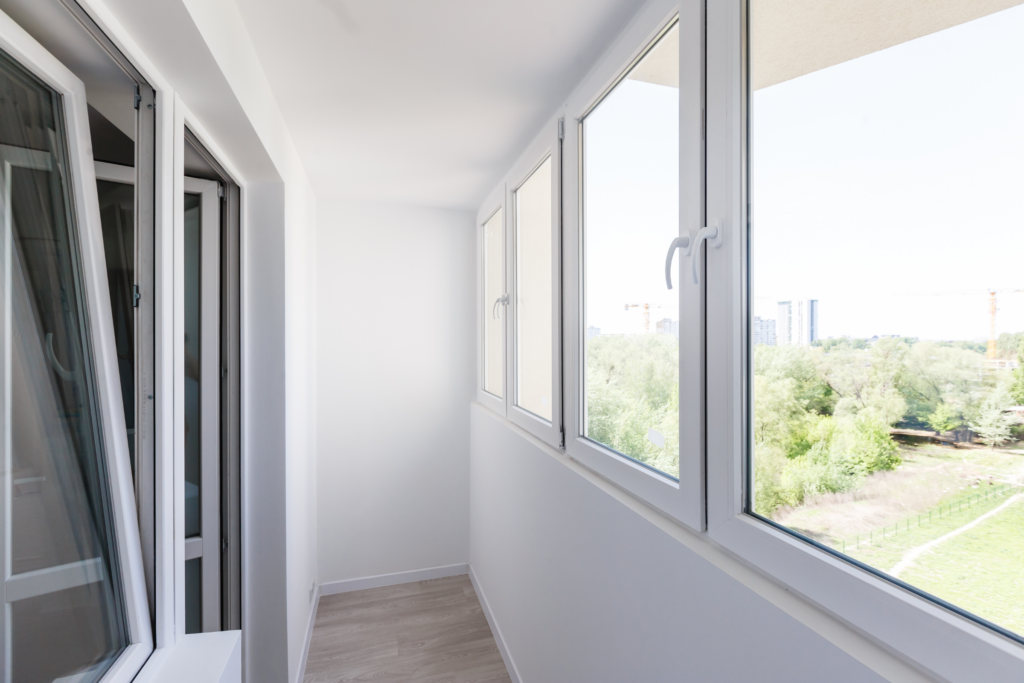
1. Drafty Windows and Doors
- Signs: Noticeable cold drafts, increased energy bills, or rattling windows on windy days.
- Why This is a Problem: Drafts increase heating bills, make living spaces uncomfortable, and can lead to moisture issues inside the home.
- Quick Fixes: Seal gaps with weather stripping or caulk. Use draft stoppers or door sweeps at the base of doors. For a more permanent solution, consider double-glazed windows or energy-efficient replacements.
2. Poor Insulation
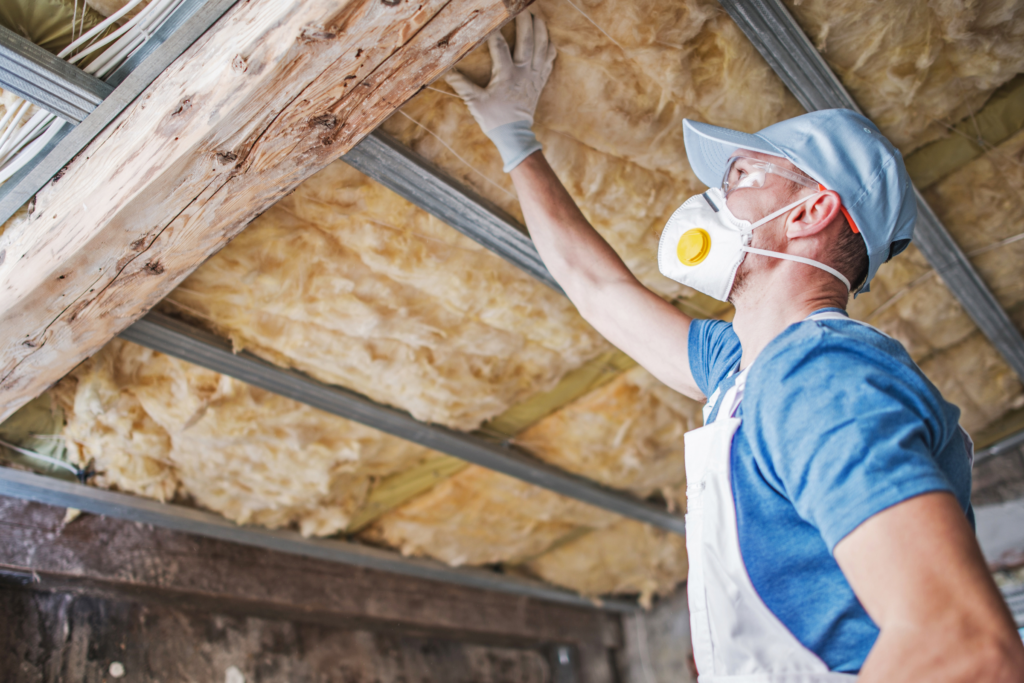
- Signs: Certain rooms are colder than others, walls and floors feel cold to touch, and your heating system is constantly running.
- Why This is a Problem: Insufficient insulation means higher heating bills and a home that struggles to maintain a comfortable temperature.
- Quick Fixes: Add area rugs on cold floors. Insulate attic space. For walls, consider blown-in insulation, which is less invasive than other types.
3. Gutters Filled with Debris
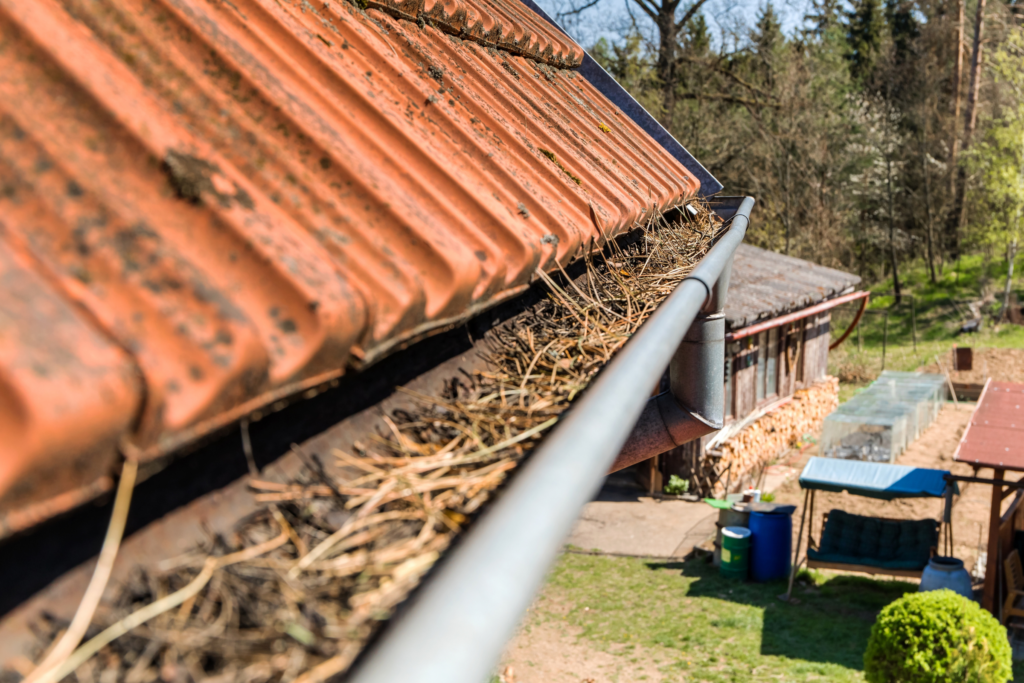
- Signs: Overflowing water during rain, sagging gutters, or visible leaves and debris sticking out.
- Why This is a Problem: Blocked gutters can cause water damage to your home’s walls and foundation, leading to costly repairs.
- Quick Fixes: Regularly clean gutters, removing leaves, twigs, and any blockages. Consider installing gutter guards to reduce maintenance.
4. Cracks in the Exterior
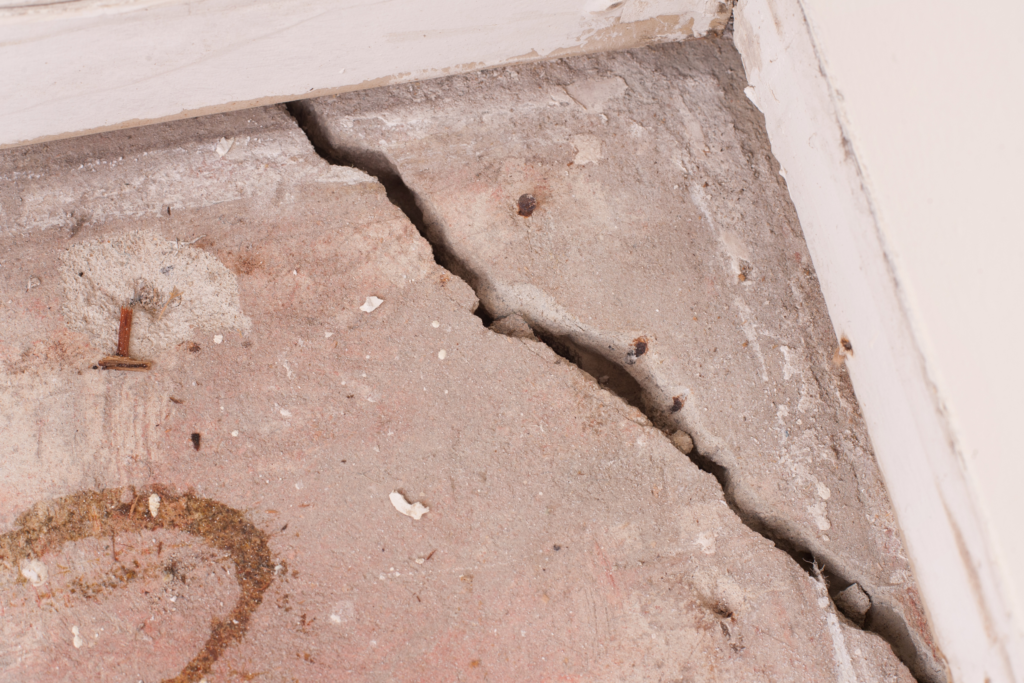
- Signs: Visible gaps or cracks in the siding, foundation, or around windows and doors.
- Why This is a Problem: Cracks can lead to water seepage, structural damage, and provide an entry point for pests.
- Quick Fixes: Small cracks can be sealed with caulk. Larger issues, especially in the foundation, should be addressed by professionals.
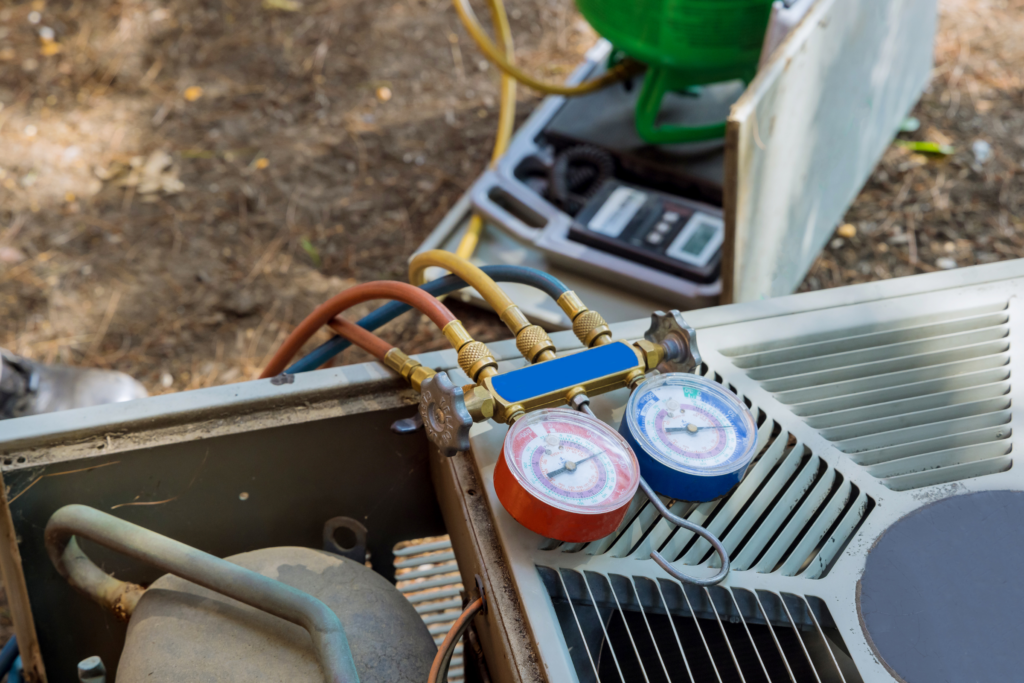
5. Inadequate Heating System
- Signs: Home takes a long time to warm up, certain rooms remain cold, or the heater frequently breaks down.
- Why This is a Problem: A malfunctioning heating system can lead to higher energy bills, uneven temperatures, and potential health risks if the system releases carbon monoxide.
- Quick Fixes: Change furnace filters, ensure vents aren’t blocked, and get your heating system professionally serviced. For persistent issues, consider upgrading to a more efficient system.
6. Unprepared Landscaping
- Signs: Trees with dead branches near your home, leaves covering lawn and garden beds, or any plants that might be susceptible to early frost.
- Why This is a Problem: Dead branches can break and damage property, accumulated leaves can smother lawns and plants, and an early frost can kill off plants prematurely.
- Quick Fixes: Trim tree branches that hang too close to the house. Rake and compost leaves. Mulch garden beds to protect plants from early frost.
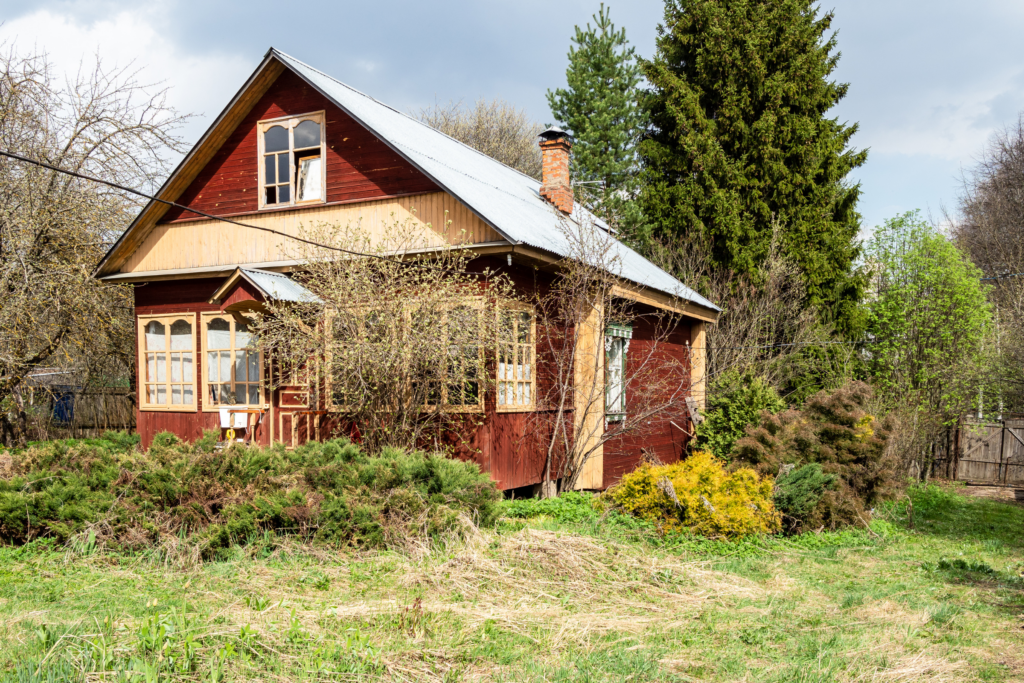
7. Lack of Weather Emergency Preparations
- Signs: Absence of emergency supplies, no backup power solution, or unprotected outdoor plumbing.
- Why This is a Problem: Without preparation, power outages can disrupt daily life, and frozen pipes can burst, leading to significant water damage.
- Quick Fixes: Stock up on essentials like flashlights, candles, bottled water, and non-perishable food. Consider a backup generator. Drain and insulate outdoor faucets.
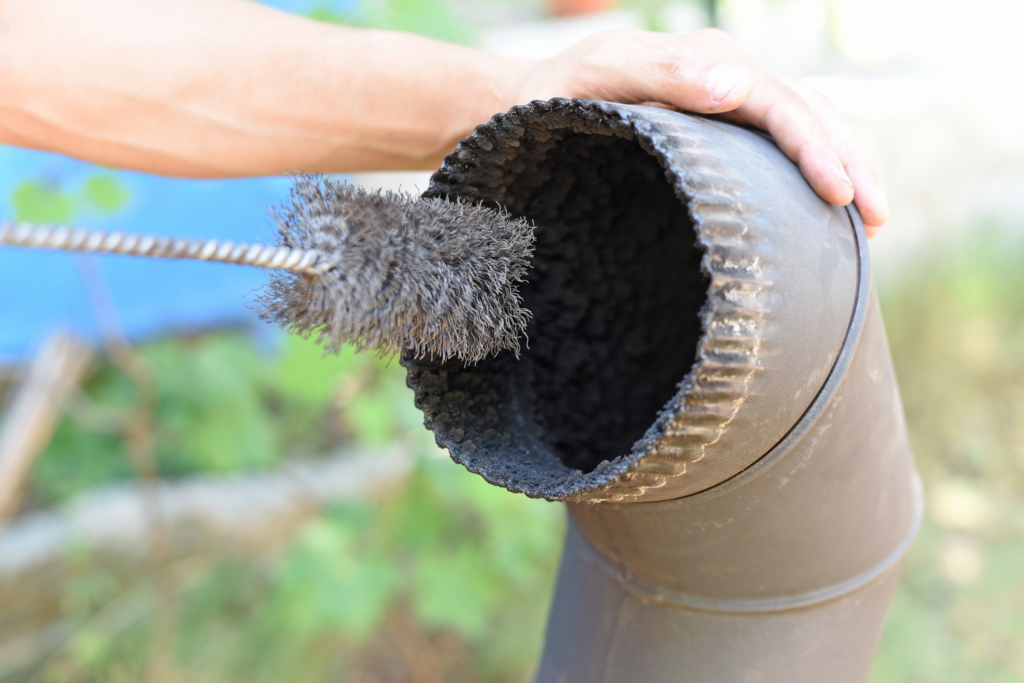
8. Chimney and Fireplace Issues
- Signs: Soot buildup, birds’ nests, or any obstructions in the chimney.
- Why This is a Problem: Obstructions or buildup can cause fires or allow carbon monoxide to enter your home.
- Quick Fixes: Schedule a chimney sweep and inspection. Ensure chimney caps are secure to prevent birds or small animals from nesting.
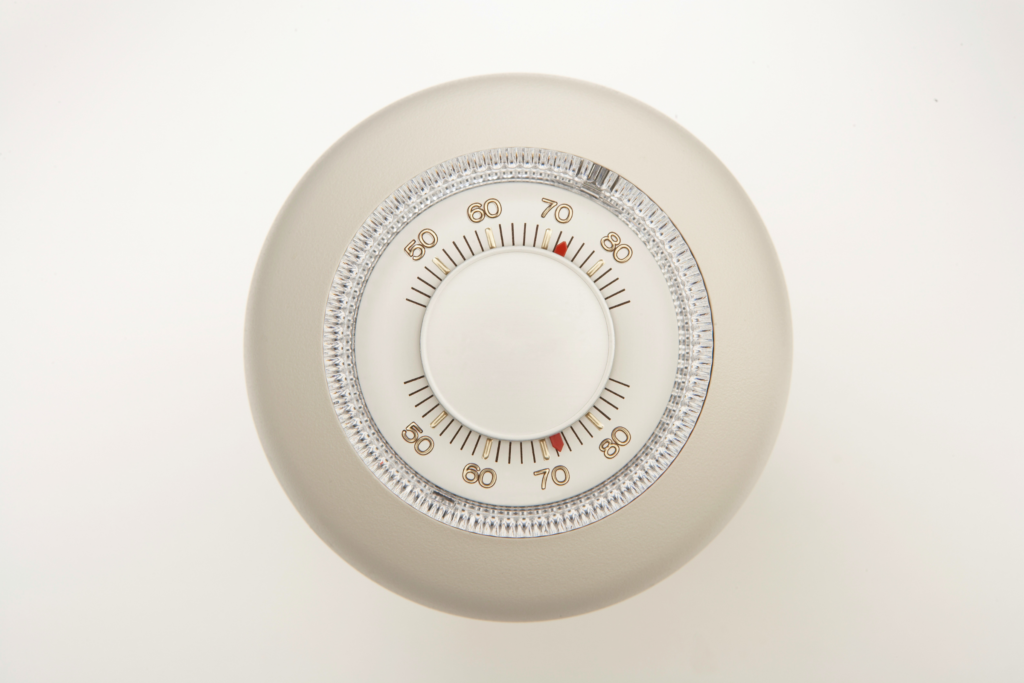
9. Broken or poorly adjusted Thermostats
- Signs: Home doesn’t maintain consistent temperatures, or thermostat settings don’t match actual room temperature.
- Why This is a Problem: An inefficient thermostat can cause the heating system to work harder than necessary, raising energy bills.
- Quick Fixes: Consider upgrading to a smart thermostat, which can learn your schedule and adjust temperatures accordingly for efficiency.
10. Roof Issues
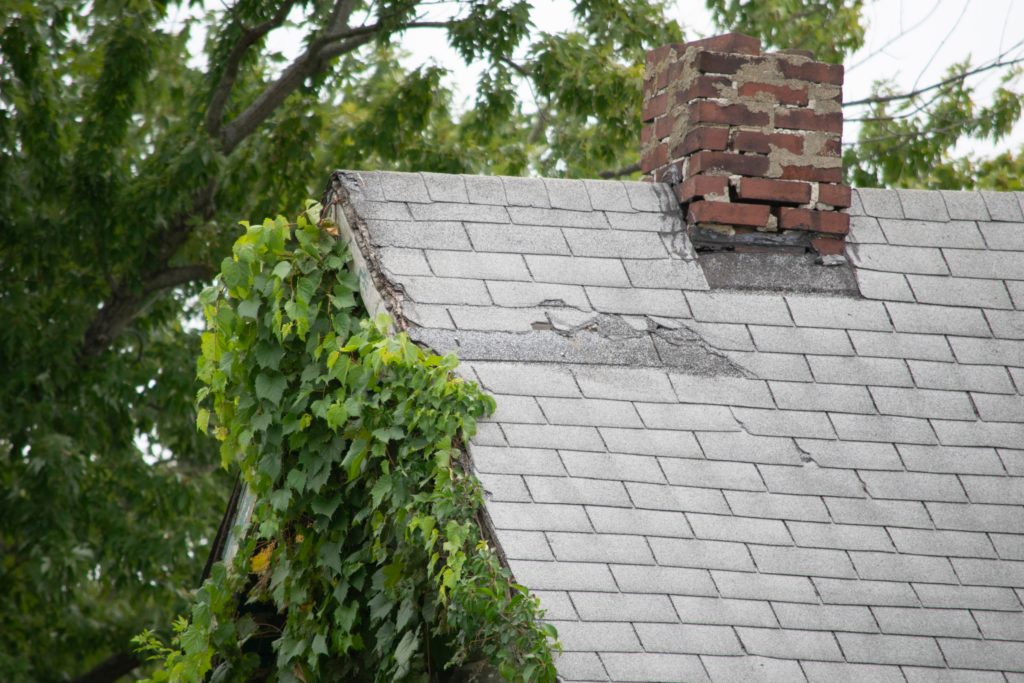
- Signs: Missing, loose, or damaged shingles, or evidence of leaks in the attic.
- Why This is a Problem: Roof problems can lead to water damage inside the home, mold growth, and compromised structural integrity.
- Quick Fixes: Inspect the roof or hire a professional to do so. Repair or replace damaged shingles and ensure proper sealing.
11. Unsealed Homes
- Signs: Insects or small pests finding their way indoors, or moisture spots on interior walls.
- Why This is a Problem: Gaps in the home’s envelope can let in pests and moisture, leading to potential damage and health concerns.
- Quick Fixes: Check the home’s exterior for any gaps or holes and seal them. Ensure there’s proper ventilation to prevent moisture buildup.
12. Neglected Garden Beds
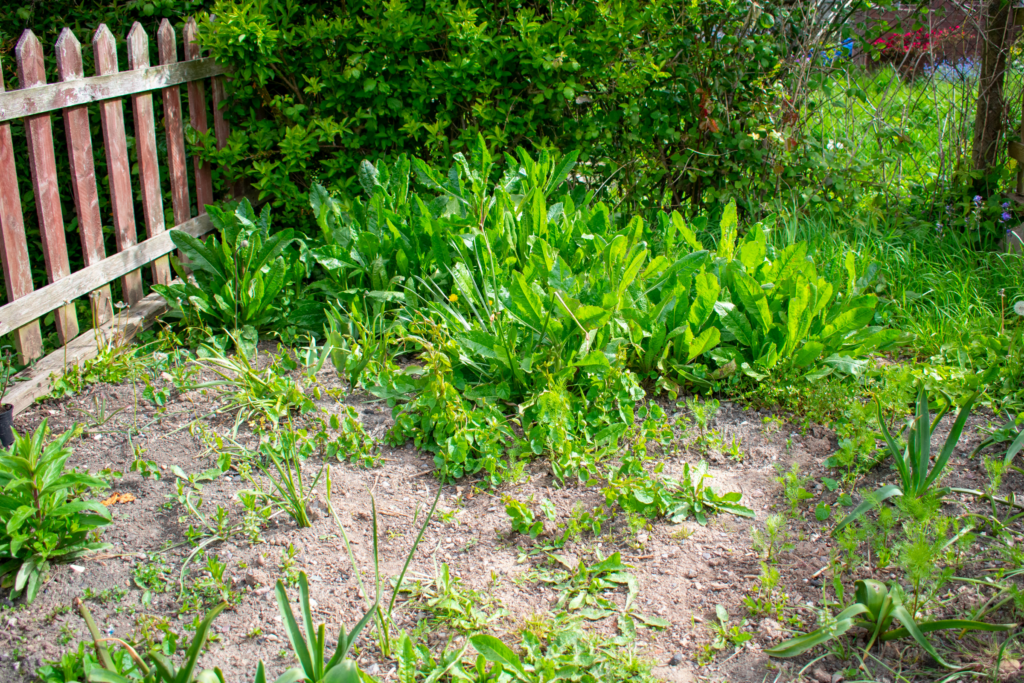
- Signs: Dead plants, untended garden beds, or unharvested vegetables.
- Why This is a Problem: Leaving plants to die off can attract pests, and unharvested vegetables can rot, causing fungal diseases.
- Quick Fixes: Harvest any remaining vegetables, prune back perennials, and mulch garden beds.
Let Us Know How We’re Doing!
Did this expertly prepared resource answer your question?
Do you have another question about home maintenance, home improvement projects, home appliance repair, or something else?
Get more information, send in questions and keep the discussion going by contacting the I’ll Just Fix It Myself company customer service team at at 1-800-928-1490 or Email us at [email protected]
