
Does Running The Fan On My Air Conditioner Use A Lot Of Electricity? (Pros & Cons)

Your main reason for buying an AC is to have favorable temperatures indoors regardless of the outdoor temperature. You can have your AC run continuously or have it on when you are home, then switch it off while out. However, the AC consumes a lot of power when left to run the whole day, making you pay high electricity bills.
But does running the fan on my air conditioner use a lot of electricity? Most people opt to use the fan mode to help get the preferred temperature and reduce their electricity bills. Remember, when you put your air conditioner in fan mode, the compressor will go off. This means your fan will be working, but the AC’s compressor will be off.
Read on to learn more about this.
Does Running The Fan On My Air Conditioner Use a Lot of Electricity?
No. If you use the fan on your air conditioner, it will not use a lot of electricity. Instead, it will help you conserve the amount of energy your unit could be using. When you put the AC on fan mode, the compressor goes off.
For example, when you put your AC on fan mode, it will consume about 150W-500W. But when using the AC, it will use up to 1000W-4000W when you put it on cool or default mode. This means the fan mode will save you a lot of money.
If your AC isn’t running, ensure adequate ventilation to help reduce the indoor temperature. However, the amount of electricity consumption will also depend on the settings. If you set the air conditioner to work at high speed, the energy consumption will be up slightly. But when on fan mode, they will still be lower.
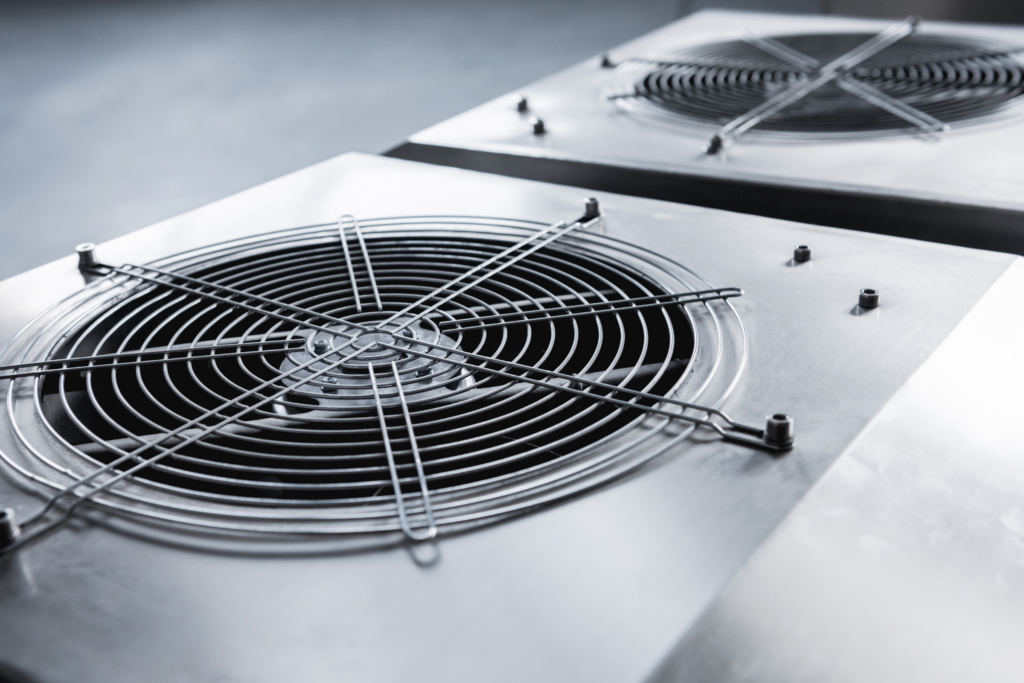
How does fan-only mode on the AC reduce your electricity consumption (is it cheaper to do it?)
In fan-only mode, the AC unit’s compressor will be off. When the compressor isn’t on, the fan will work continuously to cover up the gap. The fan will take up the compressor’s main duty of cooling the air, which it does well.
However, it will not use as much energy as when running your AC’s compressor. This will help you save some cash as your electricity bills will be much lower. The fan mode will use around 150W-500W instead of 1000W-4000W when using the air conditioner on default mode.
Fan Only Mode: In this setting, the compressor of your AC unit is turned off, and only the fan runs, circulating the air inside the room. You can think of it as using a regular fan as part of your air conditioning system.
While this mode doesn’t actively cool the air, it can still provide mild comfort and helps to keep the air moving. The primary benefit of the fan-only mode is its lower energy consumption, which can result in a reduced electricity bill.
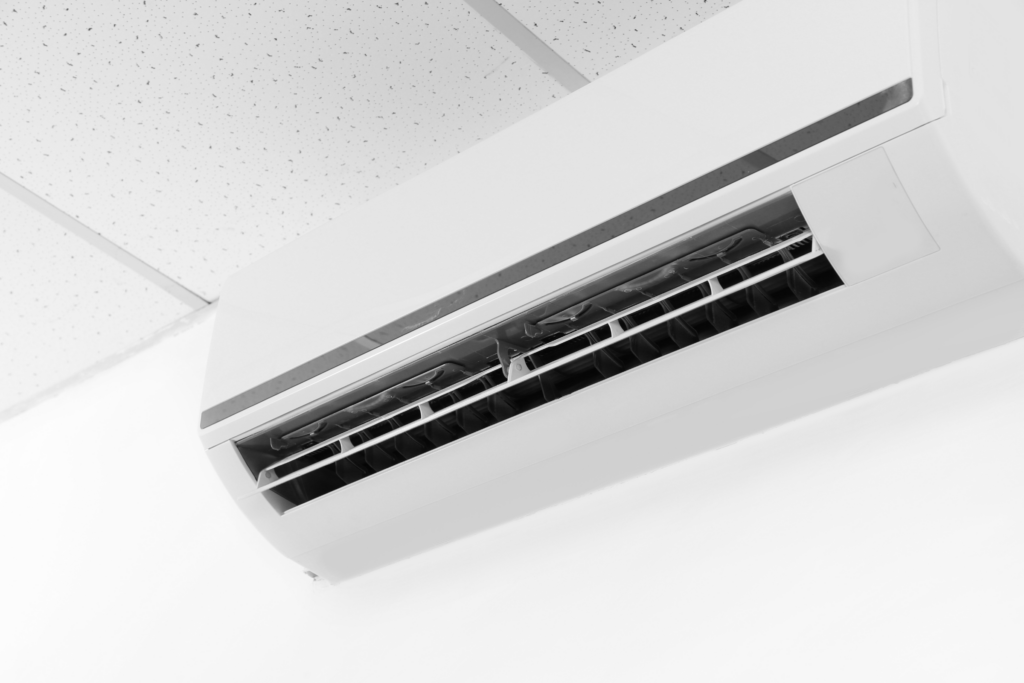
Cool Mode: In contrast, the cool mode actively cools the air by running both the fan and the compressor. The compressor uses refrigerants to absorb heat from the indoor air and release it outside, thus lowering the temperature inside your room.
This mode delivers more efficient cooling, but it consumes more electricity compared to the fan-only mode.
| Function | Power Consumption | Cooling Efficiency |
|---|---|---|
| Fan Only Mode | Low | Basic |
| Cool Mode (Avg.) | High | Efficient |
Advantages of using fan mode only on your air conditioner
There are several benefits of using your AC on fan mode instead of other modes like default mode.
They include:
Can Improve the Efficiency of Your Air Conditioner
Using the AC on fan mode will reduce the workload for your unit. Remember, an overworked unit is prone to get spoilt faster and requires regular maintenance. But when on fan mode, the compressor will be off. This stops it from straining.
Can help lower temperatures in the morning and evening
Another benefit of using the AC on fan mode is that it’s capable of providing a little cooling power, especially during the morning and evening hours.
The fan does this without struggle because, in the morning, the outdoor temperatures are chilly, so it will require less effort to get the desired temperature and help save a little power in the meantime.

Helps you reduce your monthly power bill
Of course, you won’t spend much money when using the fan on your air conditioner as it consumes less energy. However, it will help you cool the air and ventilate the room just as the AC would.
This could be extremely important during certain times of the year during peak heat.
Disadvantages of using fan-only mode on your air conditioner
- You might not get desired results when using your AC on fan mode. This is because after the thermostat reaches the set limit, the fan will stop the even distribution of air within the room. So, some parts will be hot while others will be cold.
- The fan can get spoilt faster because of more often putting it on and off.
What about keeping fan continuously running all the time?
Keeping the fan continuously running on your AC has both pros and cons.
Pros of running the fan continuously include better air filtration, an even distribution of heating and cooling, and potentially reduced stress on the fan.
Cons of running the fan continuously include increased energy usage, potentially reduced dehumidification and the possibility of blowing back moisture into your home
When Should You Use the Fan on Your Air Conditioner?
This majorly depends on the effect you want to achieve and the type of AC you’ve got. If you’ve got an AC with a 3-speed permanent spit capacitator motor, your electricity bills will be higher. However, if your AC has newer motors, your electricity bills won’t be much higher.
Additionally, if you live in a humid area, your preference might be different. Remember here you need to cool the air and dehumidify the rooms that the AC can do at ago. However, for the fan to work, the AC compressor is off. When the compressor is off, you’ll not be able to dehumidify your house, making it uncomfortable to stay in.
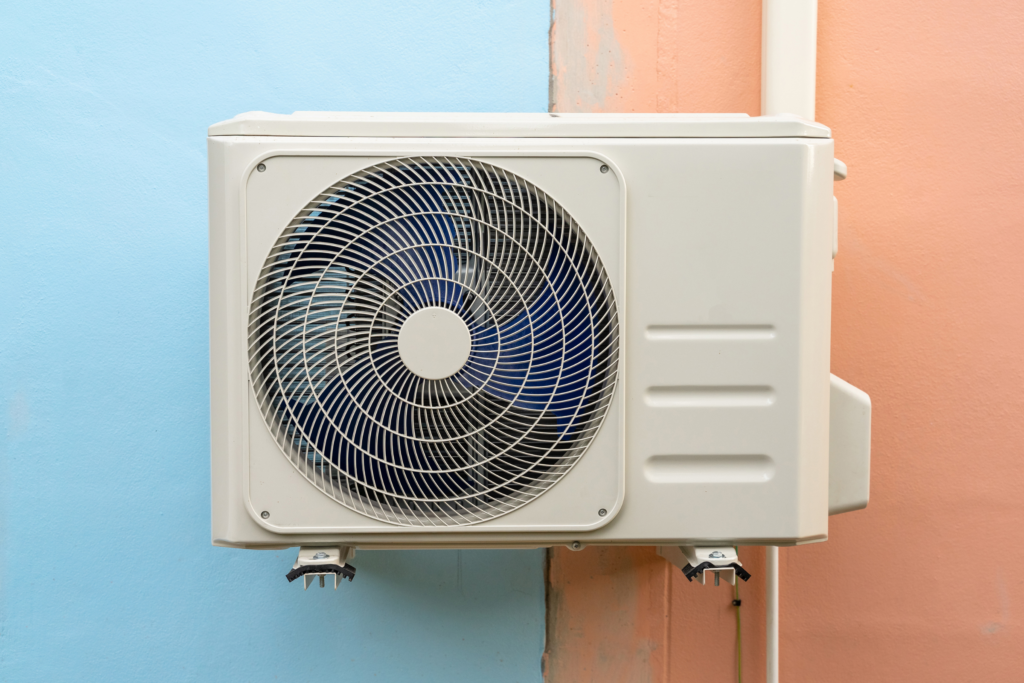
The moisture build-up will make the house warmer, and the fan will not cool the rooms as it should.
So, it won’t be effective, and it might struggle to keep running to achieve the desired temperature. While this happens, the moisture will collect on the AC’s pan, and it will start overflowing on the floor with time. Eventually, the unit cycle will go off and make the AC stop running.
This means you shouldn’t use your AC on fan mode when it’s too hot or humid. The fan will only help distribute the air indoors when on fan mode. So, use it when the temperature and humidity are manageable and you only want to have an even circulation of air in the house.
But it’s advisable to put the fan on ‘auto’ settings so that you don’t have to keep changing it whenever there’s a change in temperature or humidity. This setting will save you time and not inconvenience you when you’re busy with other chores.
Can you run the air conditioner fan without AC at night?
If your AC’s fan is on ‘auto’ mode, then it means it will be running whenever your AC is running to heat or cool your home, potentially all through the day and night.
Allowing the fan on your AC to run 24/7 without stops and starts helps prolong its lifespan. You will also get an adequate fresh air supply which improves your health and those around you. The rooms will also be dehumidified when you let your AC fan run throughout.
Read Also: How Many Hours Should AC Run Per Day?
Power consumption – AC vs air conditioner fan mode vs portable fans
While a ceiling fan or an ordinary portable fan can be an energy-efficient alternative, utilizing the fan-only mode on your air conditioner can still lead to significant savings on your electricity bills. Running the air conditioner in fan-only mode can vent and circulate air in the room, improving ventilation while using less power than active cooling modes.
The fan-only mode on your AC unit can also help dehumidify your home since the evaporator coil can still remove moisture from the air, even without active cooling. This can make your living space more comfortable during less extreme weather conditions or when the outside temperature is relatively cool.
| Mode | Electricity Consumption |
|---|---|
| Active Cooling Mode | Approximately 3,000 watts per hour |
| Fan-only Mode | Approximately 750 watts per hour |
| Average Portable Fan | Approximately 50 watts per hour |
Keep in mind that when using the fan-only mode on your air conditioner, it won’t actively cool the air in your home in the same way as active cooling modes. Instead, it will simply circulate the air, potentially providing some relief during milder temperatures or when you’re looking to save on energy costs.
Frequently Asked Questions
Will my electricity bills be lower when using the fan on my AC?
Yes. You’ll pay less money when using fan mode on your AC since the compressor will be off.
How much will I spend when I use the fan on my AC?
The amount you’ll spend will be around $50 per month. But this can increase when you turn on the AC’s compressor to fill the gap the fan may not achieve.
If I run the fan on my AC, will it help reduce humidity?
The fan-only mode on your AC unit can help dehumidify your home since the evaporator coil can still remove moisture from the air, but much less than standard AC cooling.
Bottom Line
So, does running the fan on my air conditioner use a lot of electricity? No. If you use the fan on your AC, it will help you lower your electricity bills. The AC compressor, which consumes a lot of energy, goes off as the fan runs. This will help you save a lot of money which you can spend on other important things. But put the fan on ‘auto’ mode to get the best results.
Relevant Resources:
- Best 5 Space Heater That Won’t Trip Breaker – Reviews in 2023
- Can You Use a Window Air Conditioner Without a Window – What You Should Know
- Why is My Portable AC Producing So Much Water – Top 5 Reasons
- How to Seal a Window Air Conditioner for the Winter – 6 Easy Steps
- Can I Run AC Without Filter – Learn From Experts
- How Long Does It Take for Ac to Get Cold After Recharge? – Best Answer
Let Us Know How We’re Doing!
Did this expertly prepared resource answer your question?
Do you have another question about home maintenance, home improvement projects, home appliance repair, or something else?
Get more information, send in questions and keep the discussion going by contacting the I’ll Just Fix It Myself company customer service team at at 1-800-928-1490 or Email us at [email protected]
