
Hate Cleaning Your Carpets? Here Are 11 Ways To PREVENT Carpets From Getting So Dirty!

Let’s set the scene: A plush, velvety carpet that makes every step feel like a walk on a cloud.
But oh, the horror of seeing it gather dirt, stains, and what’s that? A spaghetti mark from last week’s dinner!
Cleaning carpets can often feel like trying to turn back time on a prized painting. But fret not, dear reader! Instead of diving deep into cleaning woes, how about some magical tricks to keep that carpet pristine, almost as if guarded by an invisible shield?
Ready to embark on a journey where your carpets stay dazzling with minimal drama?
Let’s roll (pun absolutely intended)!
11 Ways to Prevent Carpets from Getting So Dirty
Here are some hands-on techniques and guidelines to keep your carpets cleaner for longer, reducing the overall effort in the cleaning process.
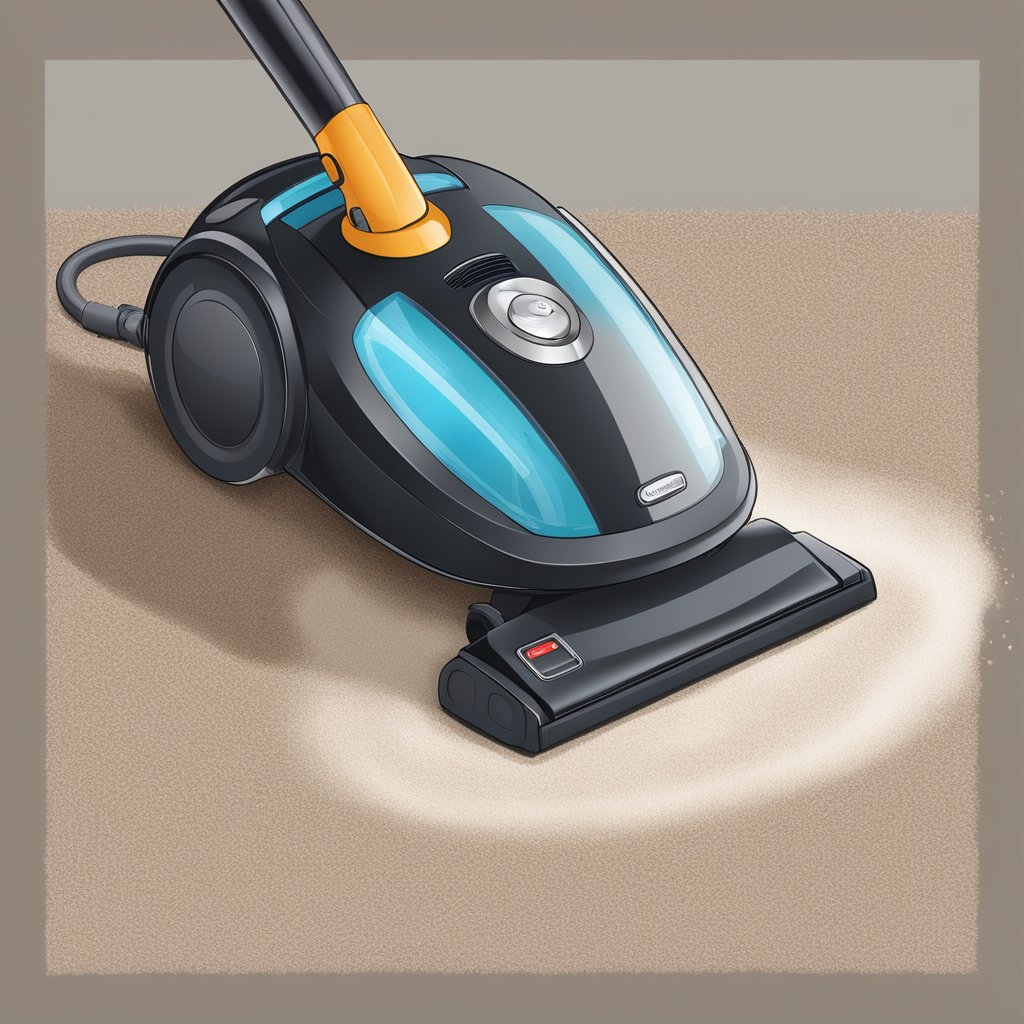
Regular Vacuuming
Regular vacuuming acts as the first and most essential line of defense against embedded dirt, allergens, and dust mites. Over time, dust and dirt can penetrate deeper into the carpet fibers, making it more challenging to clean and possibly leading to long-term damage. A routine vacuum ensures these particles are removed before they can cause harm.
How Often: At least once a week.
Why: Regular vacuuming pulls up the dirt before it settles.
Pro Tip: Use a vacuum with a HEPA filter to remove allergens and dust mites.
Entrance Mats
Think of entrance mats as gatekeepers. These mats, positioned strategically, capture the majority of the dirt and grime that might otherwise find its way onto your pristine carpet. This simple preventive measure can drastically reduce the amount of cleaning required.
Placement: At every external door.
Why: They trap dirt before it enters.
Pro Tip: Opt for easy-to-clean, absorbent mats for maximum dirt trapping.
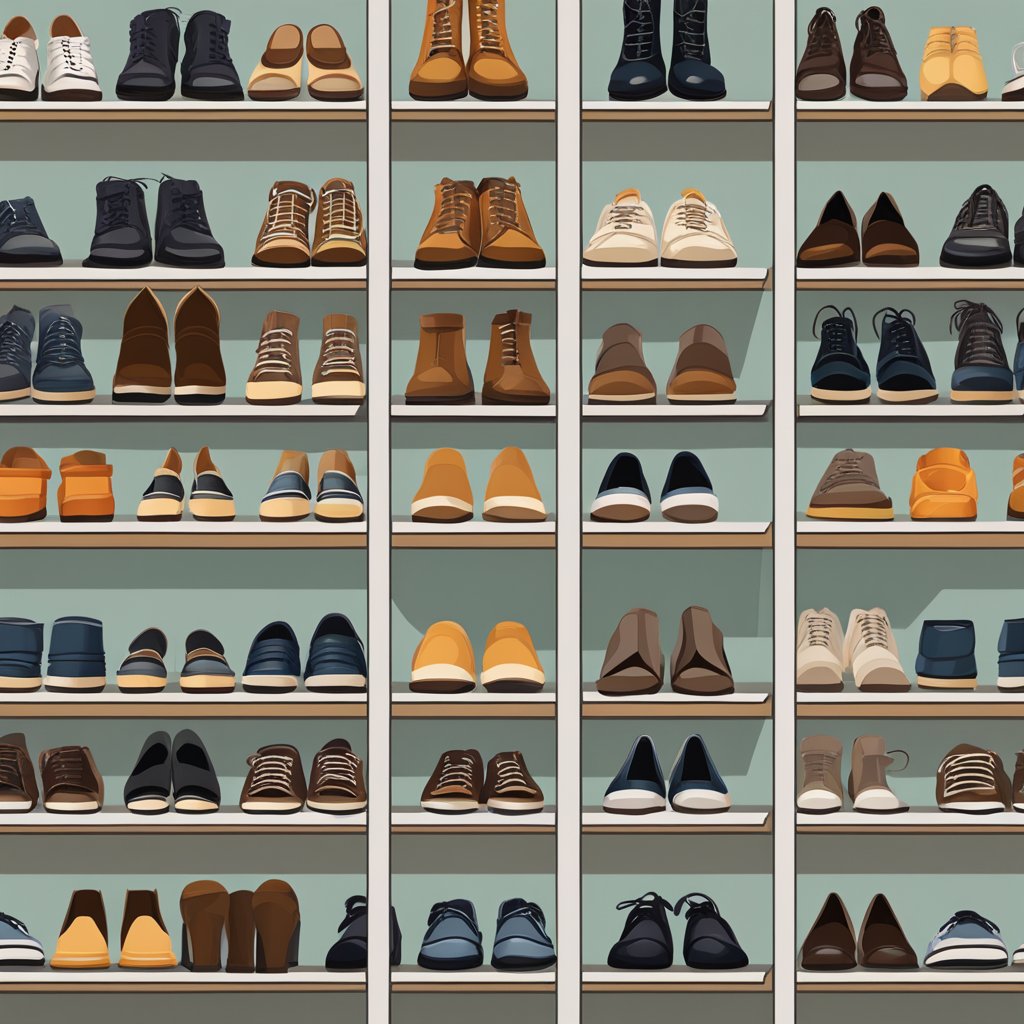
Shoes Off Policy
Our shoes can often be vehicles for unwanted dirt, grime, and even bacteria. By implementing a shoes-off policy, you effectively leave potential contaminants at the door, ensuring that your carpet remains cleaner for longer.
How: Set up a shoe rack or storage near entrances.
Why: Shoes carry outdoor grime and pollutants.
Pro Tip: Keep a stash of house slippers for guests.
Use Carpet Protectors
Stains can be a carpet’s worst enemy, but with the application of carpet protectors, you can provide a shield against potential spills and stains. These protectors create a barrier, making it harder for spills to penetrate and stain the carpet fibers.
How Often: Every 6 months or after professional cleaning.
Why: They provide a protective layer against stains.
Pro Tip: Look for eco-friendly, non-toxic formulas.
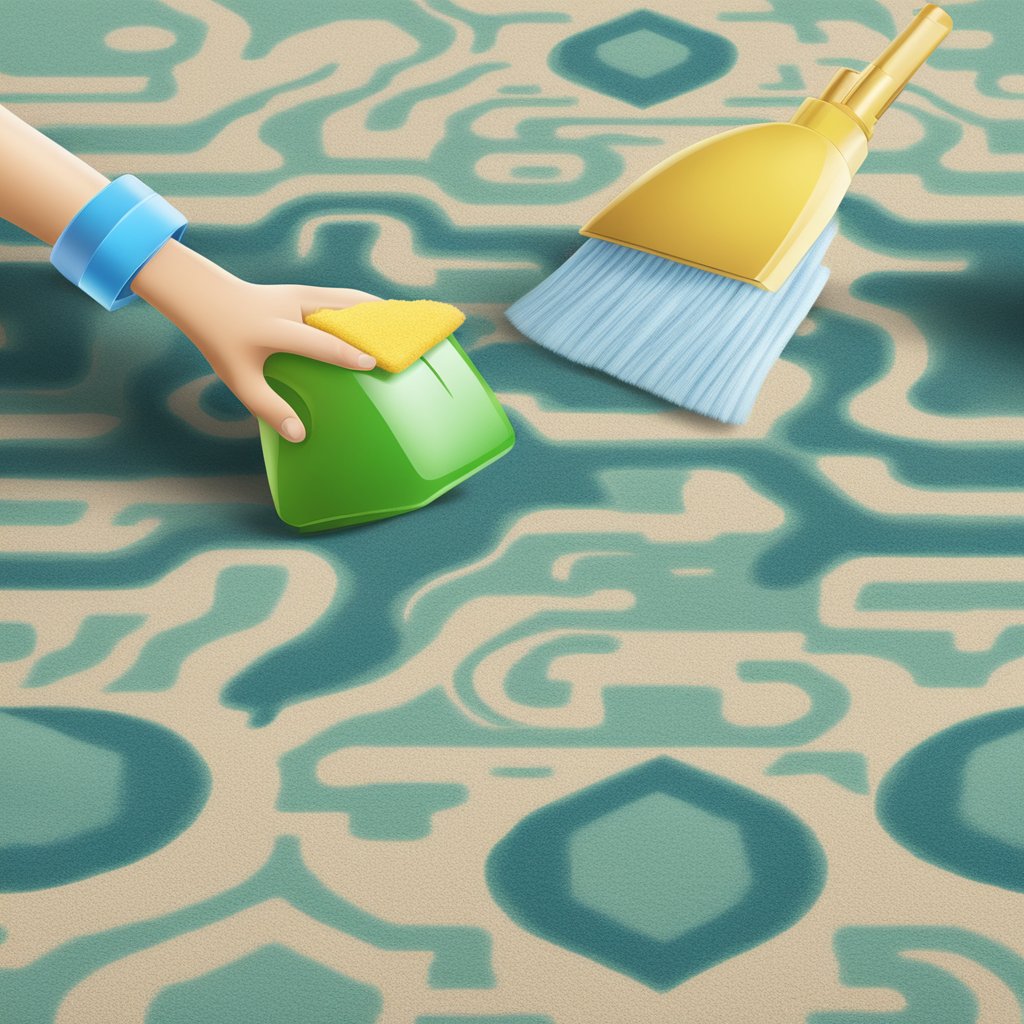
Immediate Stain Treatment
Accidents are inevitable. However, the difference between a permanent stain and a minor mishap often lies in the immediacy of your response. Acting quickly with the right techniques can make all the difference.
How: Blot spills, don’t rub. Use carpet cleaner or DIY solutions.
Why: Quick action prevents permanent staining.
Pro Tip: Keep a stain removal kit handy in high-traffic areas.
Rearrange Furniture Periodically
Our living spaces often have fixed layouts, leading to consistent foot traffic patterns. Over time, this can result in wear patterns on the carpet. By periodically rearranging furniture, you can alter these patterns, ensuring more uniform wear and giving your carpet a chance to “breathe” in previously covered areas.
How Often: Every 3-4 months.
Why: It prevents wear patterns and distributes foot traffic.
Pro Tip: Use furniture sliders to make shifting easy.

Reduce Direct Sunlight
Sunlight, while uplifting and natural, has UV rays that can act as a bleaching agent for your carpets. Over extended periods, this can lead to noticeable color fading. Taking measures to control direct sunlight can keep your carpet’s colors vibrant for years to come.
How: Use curtains, blinds, or UV window film.
Why: Sunlight can fade carpet colors over time.
Pro Tip: Opt for light-filtering curtains to enjoy sunlight without the UV damage.
Pet Training and Grooming
Our furry companions, while delightful, can contribute to carpet dirtiness. Between shedding, potential accidents, and outdoor play, pets can be a significant source of carpet wear. Regular grooming and consistent training can substantially mitigate this impact.
How Often: Groom pets every 2 weeks and train from day one.
Why: Reduces pet hair and dirt on the carpet.
Pro Tip: Use a pet-specific vacuum attachment for best results.
Limit Food and Drink
Eating and drinking over the carpet is akin to playing with fire. Sooner or later, accidents happen. Designating specific areas for meals and drinks can dramatically reduce the risk of spills and associated stains.
How: Designate eating areas away from carpets.
Why: Reduces chances of spills.
Pro Tip: If you must have food over the carpet, use deep containers and trays.
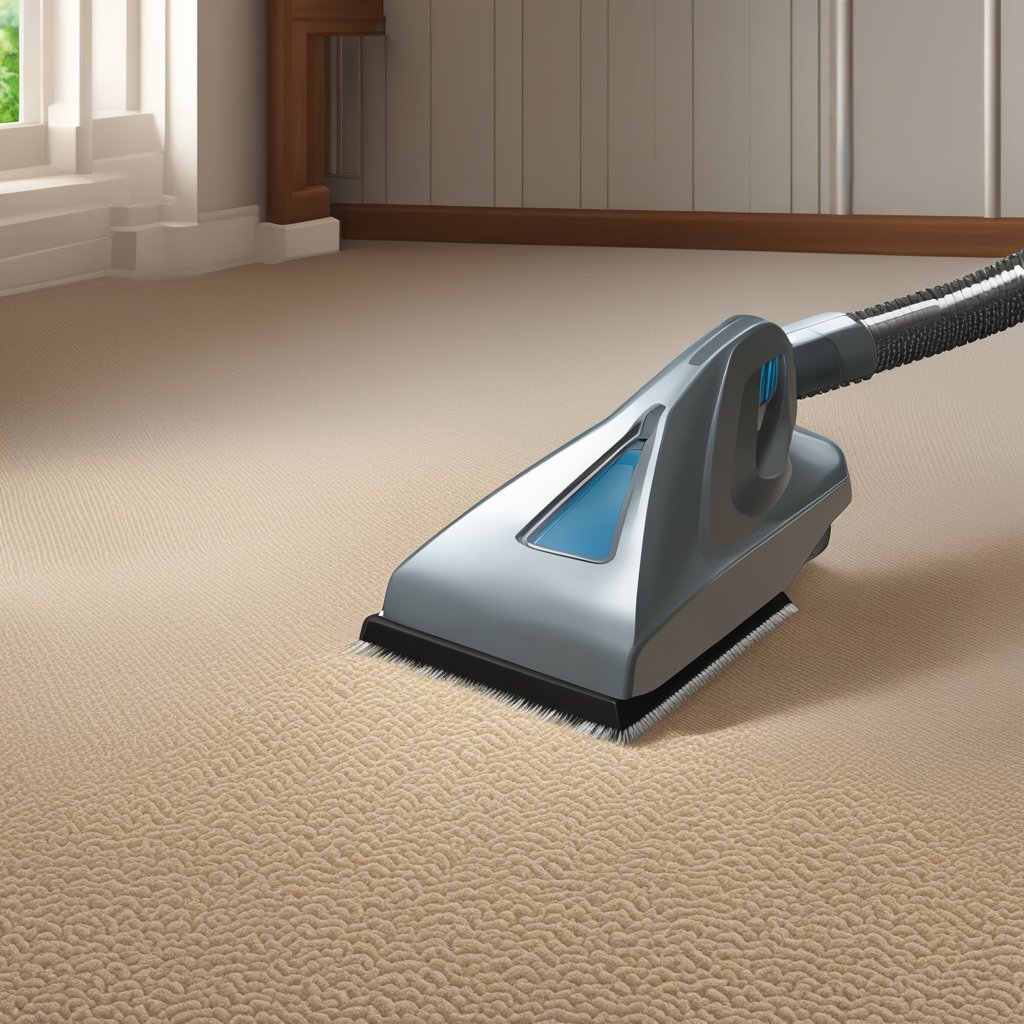
Professional Cleaning
While day-to-day maintenance goes a long way, there’s no replacement for a thorough professional cleaning. This deep cleaning gets to the dirt and grime that regular cleaning might miss, revitalizing your carpet’s appearance and feel.
How Often: Once a year, or as needed.
Why: Deep cleans and revives carpet fibers.
Pro Tip: Always dry the carpet thoroughly after cleaning to prevent mold.
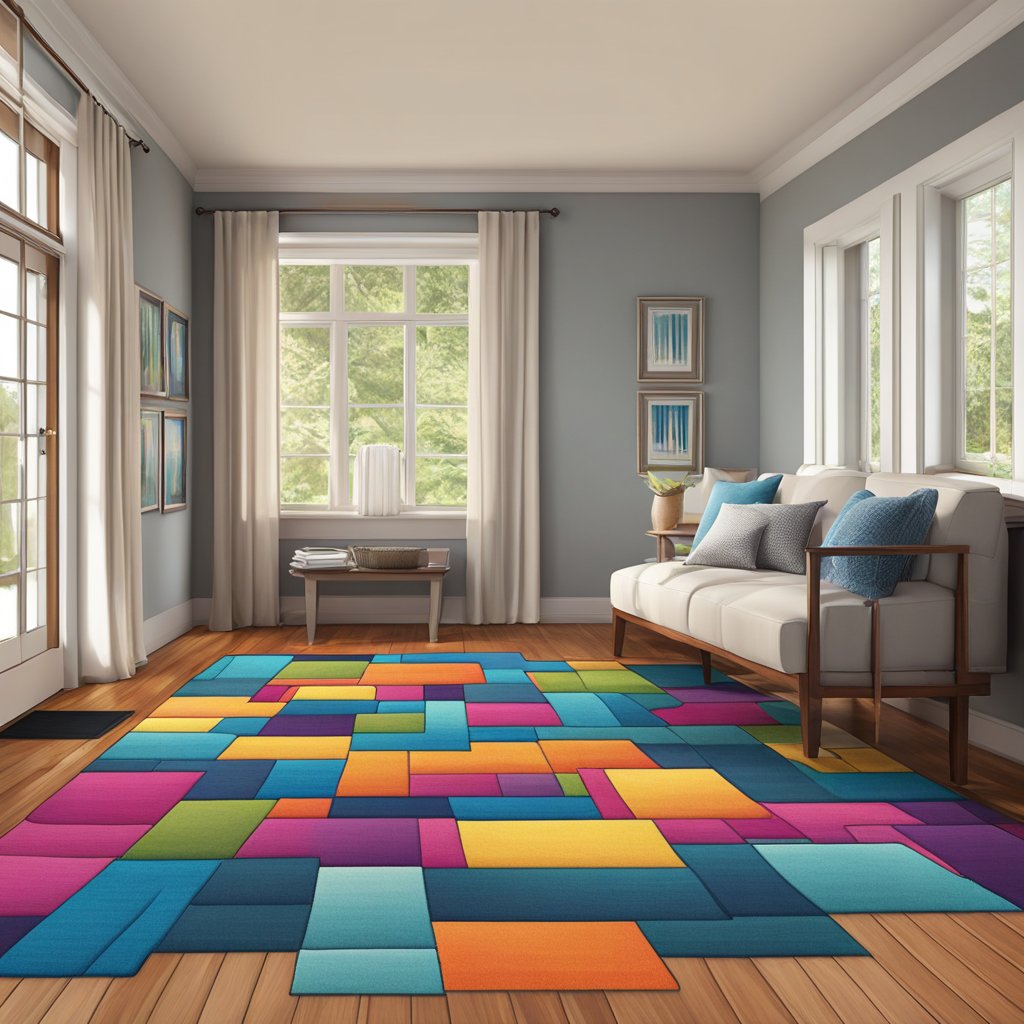
Use Area Rugs and Runners
Instead of subjecting your carpet to direct foot traffic, especially in high-frequency areas, consider using area rugs and runners. These can absorb the brunt of the wear and are typically easier and cheaper to clean or replace than getting a new carpet.
Where: High-traffic zones like hallways or living rooms.
Why: They absorb most of the dirt and are easier to clean.
Pro Tip: Choose rugs with a non-slip base to avoid accidents.
Additional Tools for Carpet Maintenance
Beyond the aforementioned methods, certain tools can further assist in keeping your carpet pristine.
Consider investing in a carpet rake to fluff up fibers and make your carpet look new after vacuuming. For fresher-smelling carpets, mix baking soda with a few drops of essential oil (like lavender), sprinkle it on the carpet, let it sit for 15-20 minutes, and then vacuum.
Conclusion
Proactive measures lead to easier carpet care and prolonged lifespan.
Carpets can remain beautiful and fresh with a proactive approach. Implementing these practical strategies will not only extend the life of your carpet but also make maintenance a breeze. Happy carpeting!
Let Us Know How We’re Doing!
Did this expertly prepared resource answer your question?
Do you have another question about home maintenance, home improvement projects, home appliance repair, or something else?
Get more information, send in questions and keep the discussion going by contacting the I’ll Just Fix It Myself company customer service team at at 1-800-928-1490 or Email us at [email protected]
