
Is Your Power Bill Too High This Summer? 9 Quick Tips to Save Cash

As summer rolls around, you might find yourself dreading the arrival of your power bill. With temperatures reaching record highs, it’s no wonder that electricity usage spikes during this season. But if your bill seems too high, you’re not alone – many people are experiencing a similar issue.
You might be wondering why your electric bill has increased so much this summer. One reason could be the growing demand for energy during the hotter months, which typically leads to higher market prices. Additionally, various regions in the US have seen a significant increase in the average residential energy rate compared to previous years. With this in mind, it’s more important than ever to evaluate your energy usage and take steps to reduce your electricity costs. In the following sections, we’ll discuss some simple ways you can cut back on your energy consumption and potentially slim down that summer power bill.
Is Your Power Bill Too High This Summer?
It’s quite common for your power bill to be higher during the summer months. One of the main reasons for this is the increased energy demand due to the use of air conditioners. Most households depend on their air conditioning units to keep them cool during those hot summer days1. As a result, you might notice a significant increase in your electricity consumption.
Another factor that could be causing a higher energy bill during the summer is the increase in electricity prices. In many areas, higher energy demand during the season can cause the market price to rise1. If you’re on a variable-rate plan, you may see your energy rate go up. Even with a fixed-rate plan, you might be subject to increased electric rates if you’ve recently switched or renewed your electricity plan1.
So, what can you do about it? Well, to start, you can take some measures to reduce your electricity demand and make your home more energy-efficient. For example, consider upgrading to more energy-efficient appliances, properly insulating your home, or adjusting your thermostat settings.
By focusing on these energy-saving tips, you can help lower your power bill during the summer and year-round. Now that you know why your power bill might be high this season, let’s explore more ways to save energy and money.
Footnotes
Money-Saving Tips
Now, the good stuff!
Little changes add up
During the summer months, you might experience increased electricity usage due to warmer temperatures and more daylight hours. You might be using more air conditioning, fans, and lights, which can all contribute to a higher power bill.
It’s essential to be mindful of your energy usage habits and try to reduce unnecessary energy consumption.
For example:
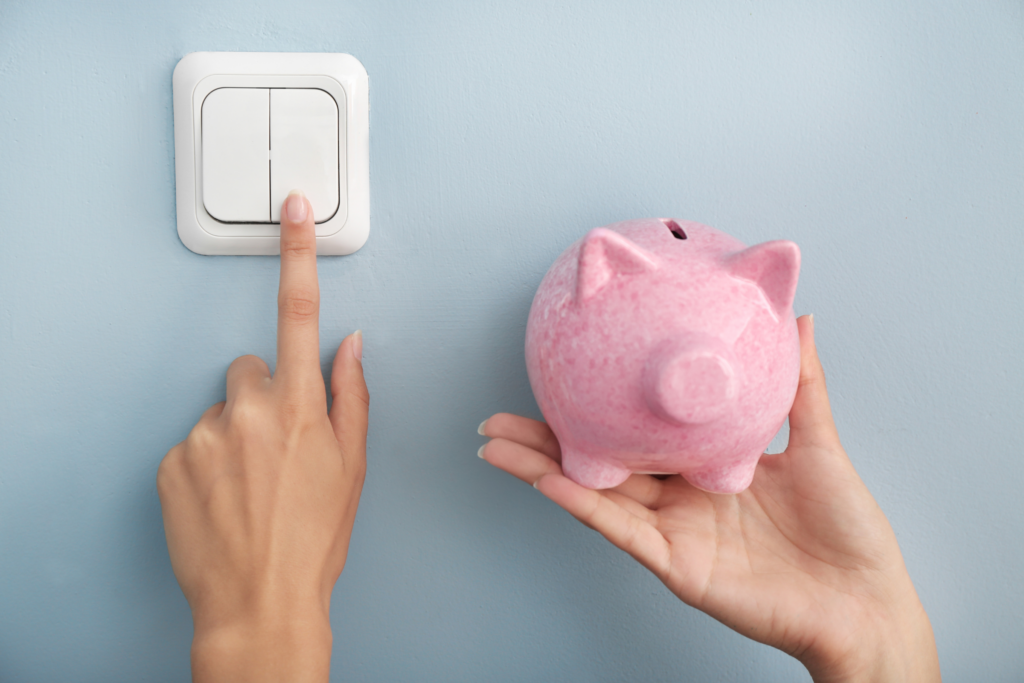
- Turn off lights and appliances when not in use
- Use LED light bulbs instead of incandescent bulbs
- Use a low-flow showerhead to reduce hot water usage
- Wash clothes in cold water instead of hot water
- Unplug electronics when not in use to reduce standby power usage
- Use a clothesline or drying rack instead of a dryer
- Use a microwave or toaster oven instead of a full-sized oven for small meals
- Set the refrigerator and freezer to the most efficient temperature settings
Conduct routine maintenance
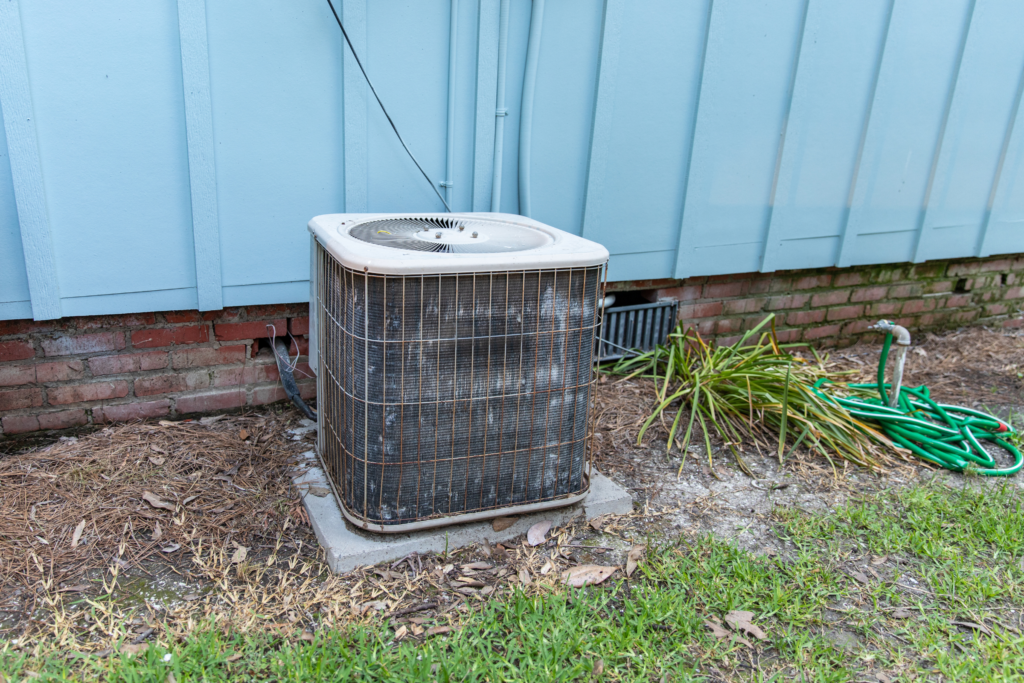
Keeping your home and appliances well-maintained can significantly impact your power bill. Check and change your air filters regularly (every three months at minimum), clean your air conditioner and heater systems, and make sure to unblock vents and air registers.
Proper maintenance can increase the efficiency of your heating and cooling systems, which in turn can save you money on your summer power bills.
Use Natural Ventilation
You can use natural ventilation to your advantage by opening windows and doors to create a comfortable airflow throughout your space. Scheduling when to open windows is also crucial.
Open them early in the morning or later in the evening when the air is cooler outside, and close them before temperatures rise during the day.

Use Fans and Portable AC Units
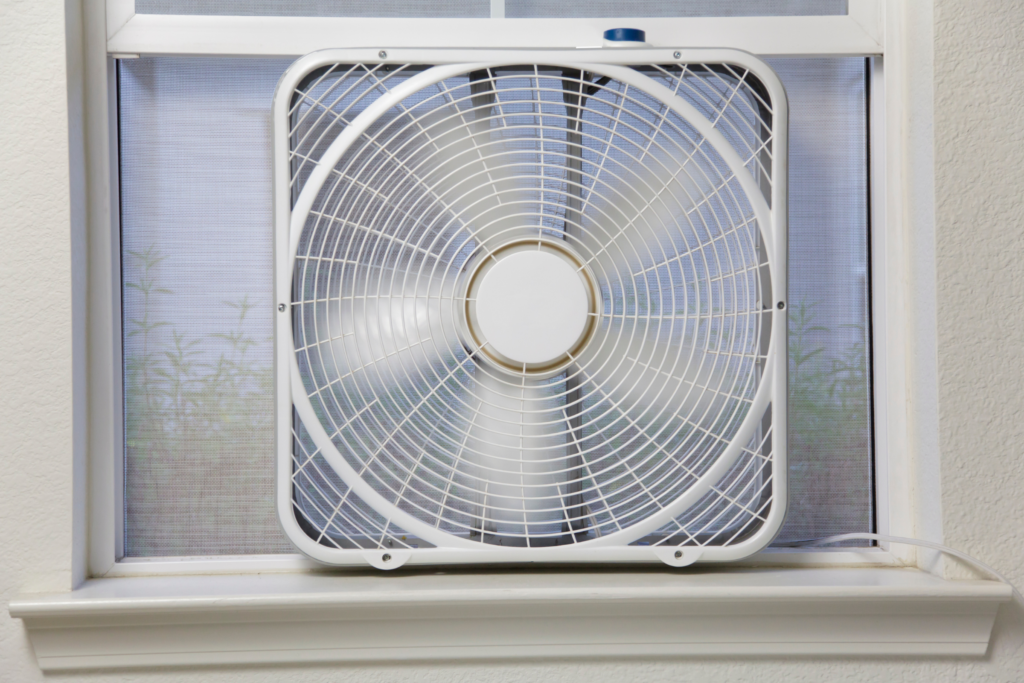
Fans are economical and efficient cooling solutions for hot summer days. Ceiling fans are especially helpful as they provide a continuous breeze throughout the room. Make sure they’re running counterclockwise to pull cool air from the ground and blow it back onto you.
Portable units like air coolers and air conditioners can provide instant cooling without the need for a comprehensive central system. You can place portable units only in the areas where you spend the most time, helping you cut costs on energy consumption.
Now that you’ve learned about alternative cooling solutions, let’s move on to some practical ways to maintain your home’s temperature without skyrocketing power bills.
Invest in energy efficiency improvements
This summer, consider investing in energy-efficient appliances or improvements to help lower your power bill. Seal gaps and cracks around doors and windows to reduce air leakage, and add insulation in your attic and walls if necessary.
Upgrade to a Smart Thermostat
Invest in a smart thermostat to control your home’s temperature more efficiently. These devices can learn your habits and adjust your home’s temperature accordingly, reducing energy waste. Most smart thermostats allow you to set schedules for when you’re away from home or asleep, ensuring you’re not wasting energy during those times.
By implementing these simple tips, you’ll be well on your way to reducing your power bill this summer. Keep these strategies in mind as you continue reading about more ways to save!
Upgrade inefficient appliances
Another common cause of high power bills is using appliances inefficiently. Many homeowners have high electricity bills because even if they aren’t using the devices frequently, the appliances are still plugged into the outlets, consuming energy.
Some common culprits include older refrigerators, TVs, and computers. To help lower your power bill, unplug appliances when they’re not in use, or invest in energy-efficient models.
Update Outdated Cooling Systems
Your home’s cooling system can be a significant factor in high power bills, especially if it’s outdated or not maintained properly. Older air conditioning units tend to be less energy-efficient than newer models, so if your system hasn’t been updated in a while, it may be time for an upgrade.
Additionally, make sure to clean or replace your air filters regularly, as dirty filters can reduce your system’s efficiency, causing it to work harder and consume more energy.
Get Professional Help
Sometimes, it might be hard for you to figure out why your power bill is too high this summer. Don’t worry, though, because professional help is always available. Energy auditors are experts who can help identify issues that might be contributing to your high electricity bills, and they can recommend the necessary steps to cut down on energy consumption.
When you hire an energy auditor, they will do a thorough inspection of your home and evaluate factors like insulation, lighting, weather-stripping, and appliance efficiency. By the end of the inspection, they should be able to pinpoint the main reasons why you are experiencing an increase in your power bill and suggest specific improvements.
For example, the auditor may recommend adding more insulation, switching to LED light bulbs, or upgrading some of your energy-guzzling appliances to more efficient models. These improvements can save you anywhere from 5% to 30% on energy bills, making it totally worth the initial investment.
Keep in mind that increased electricity prices could also be the reason behind your high power bill – especially if you are on a variable-rate plan or if you’ve switched or renewed electricity plans in the last year. A professional energy auditor can help you understand your current energy plan and suggest alternative options if necessary.
Let Us Know How We’re Doing!
Did this expertly prepared resource answer your question?
Do you have another question about home maintenance, home improvement projects, home appliance repair, or something else?
Get more information, send in questions and keep the discussion going by contacting the I’ll Just Fix It Myself company customer service team at at 1-800-928-1490 or Email us at [email protected]
