
How To Fix A Loose Shower Head Holder Easily (Explained!)

A showerhead holder essentially holds your showerhead in position. So, for you to have a comfortable bath and avoid costly water bills, the showerhead holder has to be firm. But what if you have a loose shower head holder?
If your showerhead holder is loose, which could be because of low water pressure, loose screws, or a faulty riser rail, you should fix it first. That means retightening the showerhead holder, as we’ll see later.
Remember, even though the showerhead holder allows you to adjust your showerhead seamlessly. That, however, doesn’t mean that it should be loose.
Another thing to note is that there are times when retightening the showerhead holder is not an option. If it continues dropping off the receptacle, the solution is to replace it and not retighten it.
This guide shall help you not only retighten your loose showerhead holder but also replace it if it’s beyond retightening.
Let’s start!
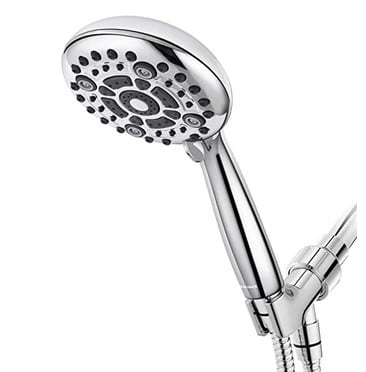
Why You Have a Loose Shower Head Holder
Here are three possible reasons why your showerhead holder is loose:
1. Excess Water Pressure
We all want to shower with enough water, which means it is pumping at high pressure. How about if the water is only drizzling?
If so, the chances are that the water pressure is low. However, that is not the only concern. More often than not, a low water pressure indicates a loose showerhead holder. So, you should check for that.
2. Loose Screws
This problem is common on adjustable shower head holders. In such types, the showerhead holder is screwed to the riser rail. But if the screws loose, especially following frequent pulling and mishandling of the showerhead, the screws on the showerhead holder may become loose.
And if the screws on the showerhead holder become loose, so will the riser rail and the showerhead holder.
3. Faulty Raiser Rail
The riser rail is the metal bar that holds your showerhead in place. Usually, the riser rail is screwed to the bathroom wall.
If it’s faulty, then it won’t be able to hold your shower head in place. With this issue, you need to first screw the riser rail back into the wall before repositioning the showerhead holder.
How to Fix Loose Shower Head Holder
Note that there are different types of showerhead holders, and the fixing process may differ between them. The commonest, however, are adjustable showerhead holders, which are easy to fix and replace as they fit nearly every shower head.
The Requirements
Below are the things you need to fix a loose showerhead:
- A screwdriver/ pliers
- Screws (if they are missing)
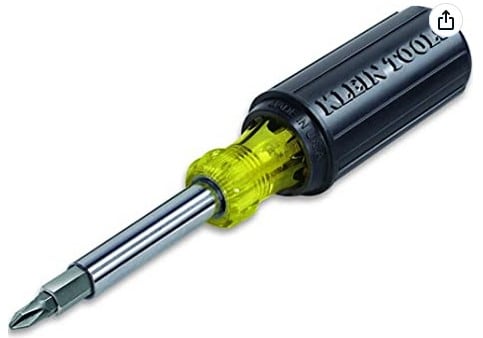
Overall, a screwdriver does a better job, and you can do well with an option like the Klein Tools 32500 11-in-1 screwdriver.
This screwdriver comes as a set that can hold eight different bits and convert three into drivers to allow you to do just about any adjustments at home. It comes with a cushioned handle that protects your hand when doing any screwing job.
The Process
Fixing a shower head holder is easy. You can do it yourself to cut the cost of hiring a plumber. You can follow these easy steps
- Inspect the showerhead to see if any of the components are missing
- Ensure that the riser rail is in position first, and if not, tighten it firmly into position
- Locate all the screws and, using a screwdriver, tighten them into position
- Check if the showerhead holder is working normally
Alternative Method for Fixing a Shower Head Holder Keeps Sliding Down
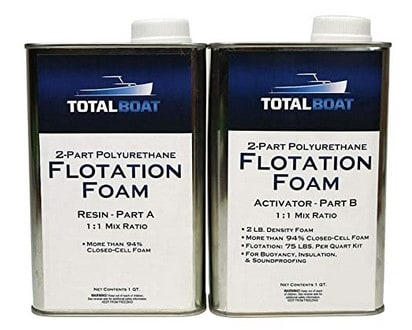
You can also fix a loose shower using expansion form, pliers or screwdrivers, and masking tape. Check out the best expansion foams on Amazon.
Here’s how to go about it:
- Pull out the riser rail from the wall using a screwdriver or a plier. That allows you to access a hole, which the showerhead passes through.
- Apply the masking tape around the hole.
- After that, put expansion foam into the hole, preferably using a sprayer or pipe.
- Wait for the expansion foam to dry before fitting the riser rail
- Lastly, position your shower head holder and bolt it correctly
Is Replacing Your Shower Head Holder an Option?
Sometimes, it takes replacing the showerhead holder and sometimes together with the showerhead to fix a leaking problem.
Overall, here are the signs that your shower head holder needs replacing:
- Shower Head Keeps Falling Off
If your shower head keeps falling from the holder, it means that the holder is too loose. So, you can choose to retighten it, but if it continues to come off, the solution is to replace it.
- Low Pressure
Ordinarily, the low water pressure shouldn’t be a concern, but if it causes the showerhead holder to come off, it indicates the holder is worn out and thus needs replacing.
- Drip Sound
If you can hear the dripping sound whenever you take a shower, that’s a sign that the water is leaking profusely, and you can only fix it by replacing the shower head holder.
- Calcium Sediments
Showerheads typically have a simple filter that filters out sediments and other elements that could mess up your water.
But given that most municipal shower water contains lots of calcium that often clogs the showerhead, you should replace the showerhead and the holder.
- Mold
Mold likes wetness, and there are no better conditions for their growth than the bathroom’s humid surroundings. Unfortunately, mold can build up and spread throughout your shower system.
If that happens, there is the risk of an infection, which you should avoid by replacing the entire shower system. But to prevent mold, consider metal showerhead holders over plastic as they are not prone to mold.
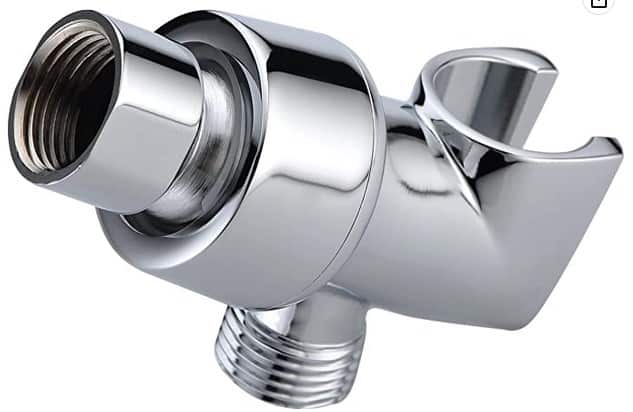
One metal holder that’ll resist mold is All Metal Shower Head Holder. Not only does it promote a mold-free performance, but it also comes with adjustable features to match family members of different heights.
Even better, it has a universal design, which means it’s compatible with many showerheads.
How to Replace Broken Shower Head Holder
Here are the general steps for replacing a shower head holder:
- Confirm if the shower head holder that you bought is compatible with the showerhead
- Using a screwdriver, remove the old shower head holder together with the raiser rail
- Clean your shower arm
- Screw the riser rail to the wall and slide the shower head holder into position
- Screw them properly, then test and see if it works properly
Note that most shower head holders come with a riser rail and a manual to help you fit it by yourself.
People Also Ask
1. Do I Need a Professional to Replace My Shower Head Holder?
The process for replacing the showerhead holder is simple, which means it’s often DIY. The important thing is to ensure you buy a shower head holder replacement compatible with your shower and fit. Once you do, you can go ahead and follow its accompanying manual to replace it.
2. Is Tightening a Loose Shower Head Holder Expensive?
If you decide to call an expert(plumber) to fit a shower head holder for you, it may cost you 11-$15, depending on location. But if you do it yourself, it won’t cost you anything other than your time and a screwdriver.
3. What Requirements Do I Need to Tighten a Loose Shower Head?
A screwdriver is essential for tightening a loose shower head holder or showerhead. Going for a multi-bit or multi-tip screwdriver is advisable as it offers you lots of options. But still, you may need to pull something from the wall, which means you may also need a plier and perhaps a masking tape.
4. After How Long Should I Replace My Shower Head Holder?
Since mold thrives well in humid conditions like your bathroom, replacing your shower head holder after 6-8 months is recommended.
However, managing mold can be difficult when using hard water, especially if the showerhead holder is plastic. So, you may have to do it sooner.
5. Do Shower Heads Come in Different Sizes?
Though most showerheads come in standard sizes, it’s advisable to check your shower system to ensure they fit. That’ll ensure you don’t buy the wrong shower head.
6. Is It Possible to Increase My Shower Pressure?
Mainly, the shower pressure reduces when there is too much clogging in the showerhead. If that’s the case, you should clean the showerhead. But if that doesn’t work, consider replacing the showerhead.
Concluding Thoughts On Fixing a Loose Shower Head Holder:
Shower systems have become part of our lives. They provide us comfort when we need to relax and help us get clean. So, when an essential component like the showerhead holder is loose, something is always amiss in your life.
Luckily, you can fix a loose showerhead holder at home using the tips I’ve shared above. It’s essential, however, to know when replacement is necessary to prevent the holder from recurrently becoming loose.
Also Read:
Let Us Know How We’re Doing!
Did this expertly prepared resource answer your question?
Do you have another question about home maintenance, home improvement projects, home appliance repair, or something else?
Get more information, send in questions and keep the discussion going by contacting the I’ll Just Fix It Myself company customer service team at at 1-800-928-1490 or Email us at [email protected]
