
Mini Fridge Keeps Turning Itself Off (7 Turn Off Causes)

It can be a hassle if your mini fridge keeps turning itself off, but it doesn’t have to be. Finding solutions starts with troubleshooting the cause.
If your mini fridge keeps turning itself off, either it might not be plugged in all the way, the power cord is defective, the condenser coils need cleaning, the condenser fan motor needs to be replaced, the defrost timer is faulty, the circuit board malfunctioned or is bad, or the compressor makes it sound like the fridge is shutting off.
In this post, you’ll find the possible causes of why your fridge cannot run continuously and what you can do to fix it.
7 reasons your mini fridge keeps turning itself off
If your mini fridge keeps turning itself off or if your fridge turned off overnight, there are some quick and painless troubleshooting steps you can take to fix it.
Here are seven possible reasons your mini fridge keeps turning itself off.
- It’s not plugged in all the way
- The power cord is defective
- The condenser coils are covered in dust or debris
- The condenser fan or motor needs replaced
- The compressor is doing its job correctly
- The defrost timer is faulty
- The circuit board malfunctioned
It’s not plugged in all the way (seriously, check it)
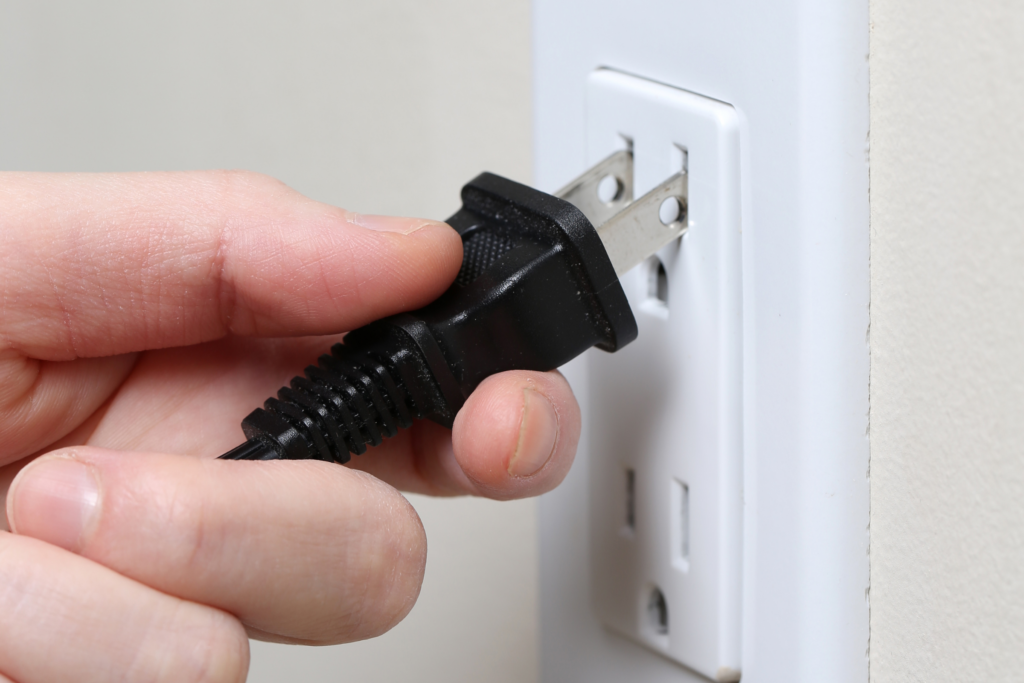
You’d be surprised how often this happens; ensure the mini fridge is firmly and fully plugged into the wall outlet.
A loosely fitting plug may cause the fridge to shut down unexpectedly when the plug pins do not make firm contact with the wall receptacle.
Are you using an adapter or an extension cord to supply power to the mini fridge? If so, try plugging the refrigerator directly into the wall outlet and check if this clears the problem.
The power cord might be defective
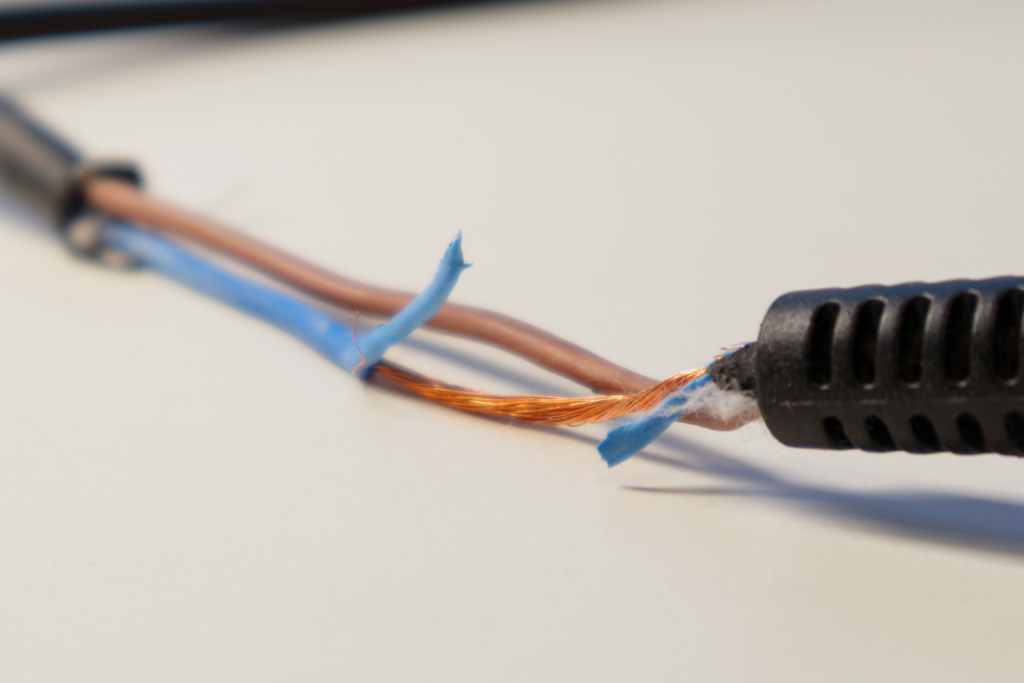
Inspect the mini fridge power cord for any signs of damage.
A damaged power cord (with damaged insulation or one whose internal wires have been subjected to stress by bending or a heavy object resting on them) may result in an unreliable power connection to the mini fridge compressor leading the fridge to power down.
Inspect the mini fridge power cord for any burn marks or deep kinks in the insulation to rule out this possibility. If the power cord is damaged, replace it with another of the same gauge and type.
Check the condenser coils for dust and debris buildup
One of the most common issues seen when a fridge turns off after a few minutes is a buildup of dust and debris behind the mini fridge, which gets into the condenser coils. This buildup reduces the efficiency of the coils and sometimes prevents them from working at all.
First, unplug your mini fridge. Then, look behind it and see if there’s a dust buildup in your condenser coils.
You can initially use a vacuum to get rid of large chunks of dust, but you might need a toothbrush or popsicle stick to clean tighter spaces in the coils. Once finished, plug the fridge back in and sweep up or vacuum any excess dirt and dust in the area.
You need a new condenser fan or motor
This roundabout issue can cause a mini fridge to turn itself off. Condensor fans help circulate air in the fridge and maintain proper condenser function; without the fan, a condenser gets too hot and shuts itself off, causing the internal temperature to rise.
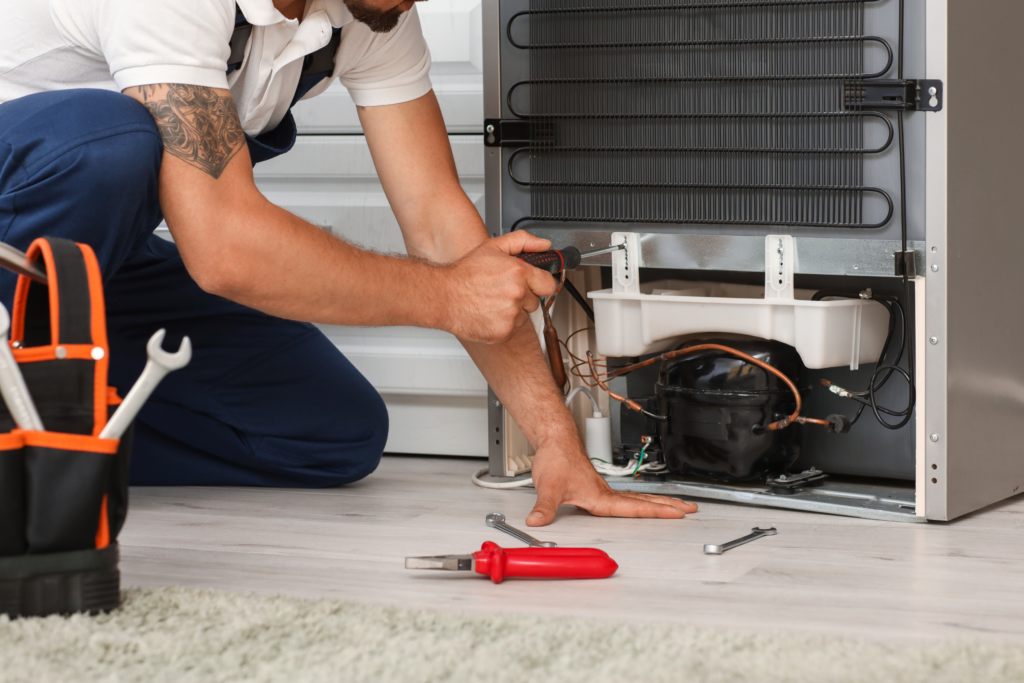
Check for obstructions in or near the condenser fan, located next to the compressor behind the mini fridge. If the fan is running, you’re good to go. If not, and nothing is blocking the fan from spinning, you need to replace the motor.
Your compressor is doing its job
Your mini fridge should start and stop throughout the day. Although not as often as a standard kitchen refrigerator, the compressor kicks on periodically to breathe cold air into the mini fridge.
If your concern is that your mini fridge starts humming for a minute or two and then shuts off, don’t worry, it’s just the compressor and condenser fan.
The defrost timer is faulty
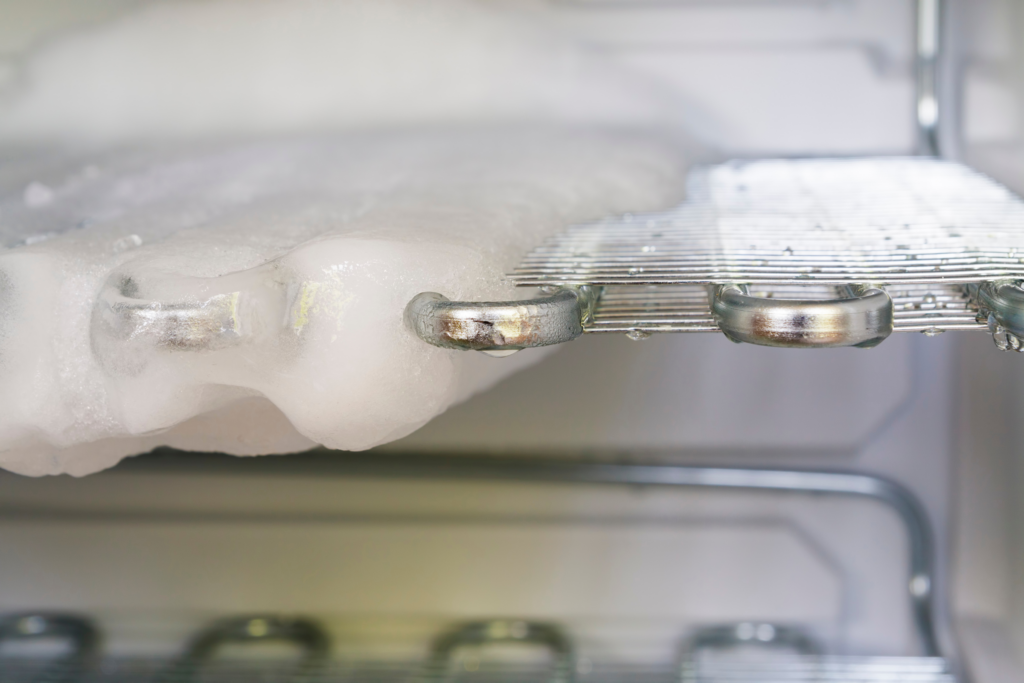
The defrost timer regulates frost buildup on the mini fridge’s evaporator coils. Over time, moisture in the air freezes on the coils creating a layer of ice or frost. When this happens, the refrigerator switches from the cooling mode, and the defrost timer starts the defrost cycle.
A faulty defrost timer could be why your mini fridge keeps turning itself off. If the timer is defective, it won’t properly defrost the evaporator coils, causing a heavy buildup of frost or ice that restricts airflow to the fridge and increases internal temperatures.
Replacing the defrost timer can be difficult and may require professional help. Check your fridge’s owner manual for a detailed guide on how to replace or fix it.
The circuit board malfunctioned
This is a more difficult issue to resolve and diagnose. If you’ve troubleshooter the previous issues to no avail, you might have a problem with the min fridge’s circuit board.
The electronic control board controls the electronic functions of your refrigerator. Faulty control boards result in cooling flaws, spontaneous starting and stopping, a defective frost timer, or your mini fridge not turning on at all.
Power surges are a common culprit for defective power boards. If your home recently experienced a power surge from a storm or another cause, it could have potentially fried the fridge’s control board.
If that’s the case, you’ll likely need to replace it.
If your fridge uses both propane and 120V AC (2-way), check the following:
#1. The 12V battery for powering the controls has sufficient charge. What is the battery voltage? If the batteries are discharged, the fridge will shut down and only restart when the batteries are sufficiently charged.
#2. Confirm that either of the energy sources, whether propane or 120V AC is available. If the fridge is set to auto and both the 120V AC and the propane gas are unavailable (switched off), the fridge will shut down.
Depending on the available fridge controls, double-check that it is set to “auto,” in which case it can be powered off 120V AC (priority) or propane (usually lower priority), whichever is available.
If it is set to manually operate in AC mode or LP gas mode and the respective energy source, either 120V AC or LP propane, is unavailable, then the fridge will shut down.
#3. You may need to make several restart attempts if the air is in the gas supply lines (if attempting to power it off propane). This can happen if the fridge has not been used for a while or if you’ve just connected a new gas tank.
As a safety precaution, the fridge is usually designed to attempt to ignite the burner for 30 seconds, after which the igniter and gas valve are turned off until the mini fridge is powered off and switched on again (reset).
You can contact a qualified mini fridge technician if none of the above suggestions work or at any time without going through the troubleshooting tips above.
Summary of why your mini fridge keeps turning itself off
If your mini fridge keeps turning itself off, it might not be plugged in all the way, the power cord needs to be replaced, the condenser coils need cleaning, the condenser fan or its motor needs fixed, the compressor is working as it should, the defrost timer’s bad, of the circuit board kicked.
In the case of a 2-way or 3-way fridge, confirm that the 12V battery is sufficiently charged and the controls are set to use the desired power source, whether 120V AC or propane.
Do not hesitate to contact a qualified technician for support.
Let Us Know How We’re Doing!
Did this expertly prepared resource answer your question?
Do you have another question about home maintenance, home improvement projects, home appliance repair, or something else?
Get more information, send in questions and keep the discussion going by contacting the I’ll Just Fix It Myself company customer service team at at 1-800-928-1490 or Email us at [email protected]
