
Mini Fridge Not Turning On and Not Cooling Properly (6 Reasons + Fixes)

Stumbling into a problem like a mini fridge not turning on can be a real headache. Thankfully, there are simple DIY troubleshooting steps you can take to fix it.
A mini fridge not turning on is likely because it’s not plugged in, the correlating circuit is tripped or open, the thermal fuse is blown, it’s not turned on, or the temperature control dial is set to “off,” the power cord is damaged, or the fridge’s circuit board is defective.
This post covers five quick checks you can do if the fridge is not turning on and five easy fixes to get it up and running again.
How to tell if your mini fridge is turned on
Before troubleshooting potential issues and fixing them, decide whether the mini fridge is actually turned on. How can you tell if it’s turned on?
To tell if your mini fridge is turned on, open the door and check the dial on the inside. Your mini fridge is turned on if the dial is not set to “0” or is not in the “off” position. However, if the refrigerator is on, but the air is warm inside, or it’s not cooling properly, it might require maintenance.
A few signs that the mini fridge is not turned on include the following:
- The light does not come on when you open the fridge (if it has one)
- The mini fridge compressor does not run (there’s no sound, or it’s leaking oil)
- The interior isn’t cold
- The food inside is warm or spoils quickly
Any of these problems with your mini fridge could mean it isn’t turned on.
6 reasons for a mini fridge not turning on and how to fix them
Troubleshooting potential issues is the first step to getting your fridge back on and cooling properly. Thankfully, the primary reasons for a mini fridge not turning on are easy to diagnose and fix.
Here are six reasons your mini fridge might not be turning on:
- It is not plugged in all the way
- The circuit breaker is tripped
- There is a blown fuse
- The temperature dial is set to “off”
- The power cord is damaged
- The circuit board is defective
The mini fridge is not plugged in all the way
Check that the fridge is plugged in all the way.
As simple as this may sound, confirm that the mini fridge is correctly plugged into a power outlet and that the outlet has power.
If you have a phase tester, you can plug it into the outlet safely to check if power is available at the socket.
Another test to see if there is power is to plug in another appliance, such as a phone charger or electric fan. If either of these devices works, then the outlet has power, and the mini fridge is likely the issue.
If there’s no power, the easiest solution to get your mini fridge turned back on is to move it to a different, working outlet.
The circuit is tripped or opened
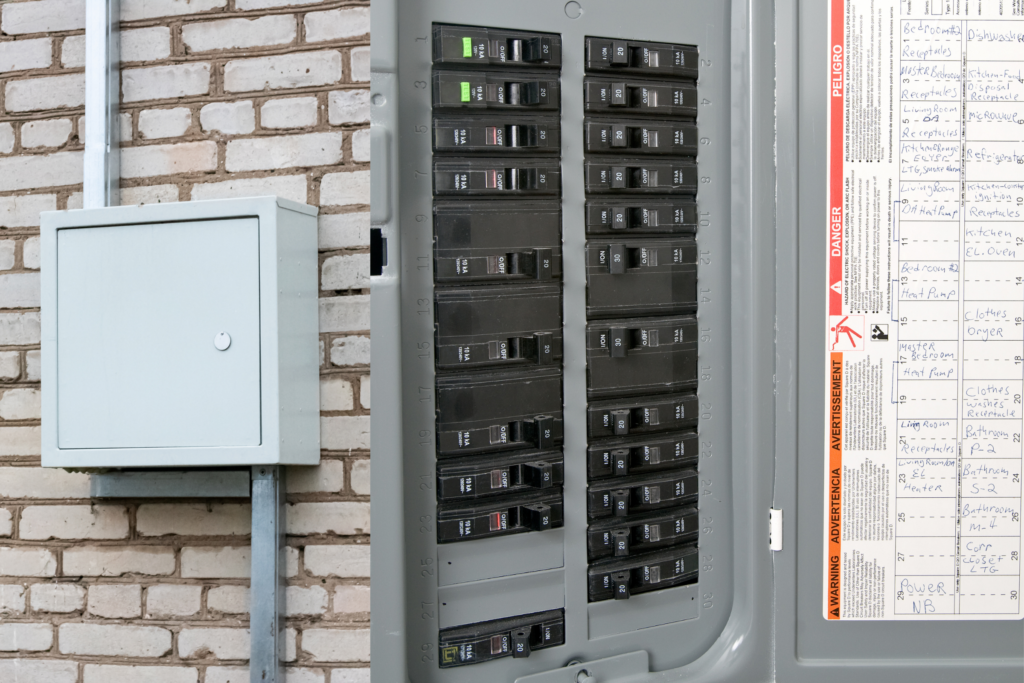
You also want to check the circuit breaker for a trip. Once tripped, no power is available at all sockets connected to the circuit breaker wiring.
Locate your circuit board and open it up. Check the breaker switch that the mini fridge is connected to. You might need to refer to a separate manual or layout for the circuit breaker switches to determine which switch is correct.
If the switch that the fridge is connected to looks unaligned with the other breaker switches, flip it all the way off, then flip it back into the on position. This closes the opened circuit and restores power to the connected outlets.
Note: It is generally not advisable to plug fridges into an extension cord because of the risk of fire from overloading the extension cord and the shocks one can experience if it lacks proper grounding.
There is a blown thermal fuse
Unlike when a breaker is “tripped,” a blown fuse needs replacing. Thermal fuses inside a fridge are intentionally made to fail upon overheating to sacrifice the replaceable fuse and protect against fires.
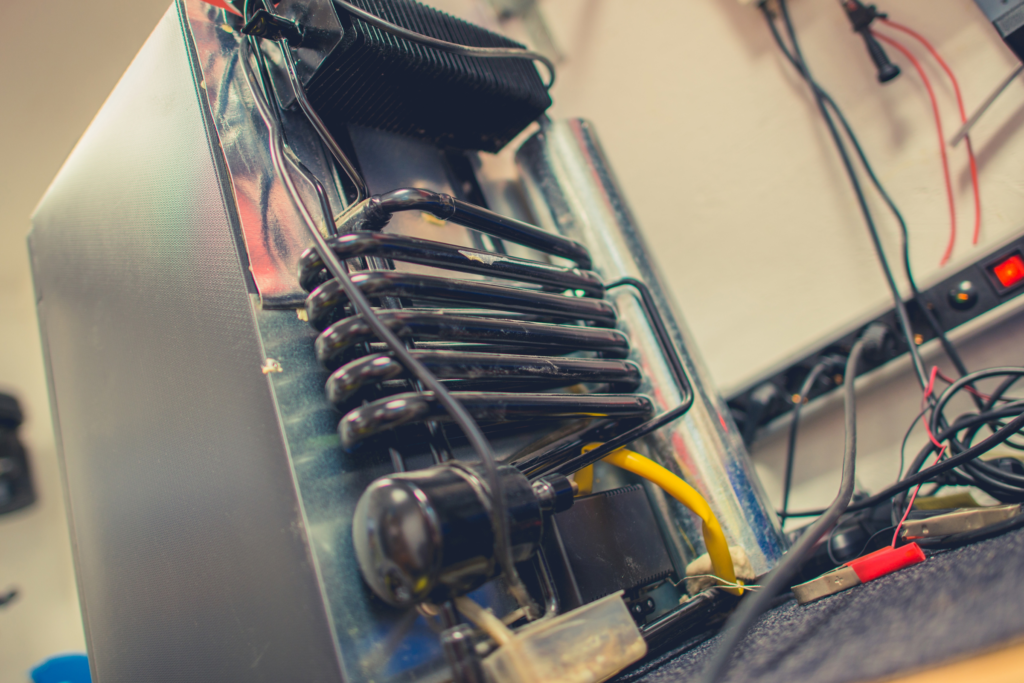
To fix a blown thermal fuse in your fridge, unplug the fridge and locate the fuse. It’s likely next to the compressor on the back side of the fridge (use the owner’s manual if you can’t find the fuse).
Then, check if it’s blown; the best way to do this is to look at the evaporator or the thing on the back of your mini fridge that looks like a big metal barcode. If it’s frozen over, you probably have a blown thermal fuse.
Unclip the old thermal fuse and replace it with a new one. You can search for your mini fridge model online and buy a replacement thermal fuse for $10-$20.
The temperature dial is set to “off”
Mini fridges have temperature dials. Some have dials that can turn the fridge off completely, usually indicated by the word “off” or by the number 0.
To fix this issue, rotate the temperature dial away from the “off” position. Turning the dial clockwise lowers the internal temperature. Listen for the compressor to turn on and start buzzing to know that it worked and that your mini fridge is turned on.
The power cord is damaged
The fridge power supply cable might have suffered damage. It may be a cut, bitten by rodents, or damaged so that power from the outlet cannot flow to the fridge.
Inspect the cable along its length for any sign of damage. Things to look for include exposed wiring and sharp angles along the wire.
If there is damage and you have the skills and equipment, then replace it with a cable of the same rating.
Otherwise, contact a qualified service technician for assistance.
The electronic control board could be defective
At this point, if you have checked and confirmed that there is power available at the outlet, the fridge is fully plugged into the outlet, and the temperature dial is not in the OFF position, and still, the fridge does not work, then there is likely a fault with the fridge.
It most likely has something to do with the circuit board inside the mini fridge that controls the electronic components of the refrigerator. Not only are specific control board issues challenging to diagnose, but trying to fix them without the proper knowledge could worsen things.
Call the authorized service numbers for your fridge for assistance.
How long should you wait to put food in the mini fridge after it turns on?
The mini fridge will likely be warm when you get it turned back on. How long should you wait to put food inside the mini fridge?
Wait 4-24 hours to put food in the mini fridge before it turns on. Allow enough time for it to reach a safe temperature of between 35-40°F. Place a thermometer inside to measure the temperature accurately.
If you don’t wait long enough, perishable food items could spoil even if the fridge is up and running again.
The best way to go about this is to use a thermometer. Place one inside the mini fridge so you don’t have to guess when the temperature is cold enough.
If you don’t have a thermometer, the safest alternative is to wait at least 24 hours before putting anything inside the fridge.

Summary of Mini fridge not turning on
Your mini fridge not turning on might be frustrating, especially if you have spoiled food.
Six reasons it might not turn on include: it’s not plugged in, the circuit is tripped, there’s a blown thermal fuse, the temperature control dial is set to “off,” the power cord is damaged, or the circuit board is faulty.
Fixes for each of these issues are relatively simple. Refer to the sections above for detailed ways on how to resolve them.
Let Us Know How We’re Doing!
Did this expertly prepared resource answer your question?
Do you have another question about home maintenance, home improvement projects, home appliance repair, or something else?
Get more information, send in questions and keep the discussion going by contacting the I’ll Just Fix It Myself company customer service team at at 1-800-928-1490 or Email us at [email protected]
