
Potential Damage from Clogged Gutters: The Risks and Damages to Your Home

Clogged gutters are more than just an eyesore; they pose serious threats to the structural integrity of our homes. The primary function of gutters is to control the flow of rainwater to protect our roof, walls, foundation, and landscape. When gutters become clogged with leaves, sticks, and other debris, this system is compromised, potentially leading to a host of issues such as water damage to the interior and exterior of our homes, as well as damage to the foundation.
Our expertise tells us that the effects of clogged gutters can range from basement flooding to unwanted pests. For instance, when water overflows from gutters, it can pool around the foundation, leading to cracks and even structural failure over time. Additionally, damp conditions caused by improper drainage are ideal for insects and rodents seeking a home. Maintaining clean gutters is essential in preventing these common but severe problems.
Potential Damage to Structures
Clogged gutters can have severe repercussions on various parts of a home, particularly the roof and foundation. If not addressed, the damage can progress from minor issues to significant, costly repairs.
Roof and Fascia Deterioration
Roof Leaks: When gutters are clogged, water cannot flow away from the roof, causing it to pool and potentially lead to roof leaks. Persistent moisture can result in rot, affecting the roof’s integrity.
- Signs to Look For: Water stains on the ceiling, missing or damaged shingles, and damp attic insulation.
Fascia Damage: The fascia boards, which hold the gutter system, can suffer from rot and deterioration due to constant exposure to water, leading to structural damage.
- Prevention Measures: Regular gutter cleaning, installation of gutter guards, and timely repairs of minor damage.
Foundation and Basement Issues
Foundation Damage: When gutters overflow, water can saturate the soil around the foundation, causing cracks and undermining the structural stability of the house.
- Crack Identification: Visually inspect the foundation for small cracks, which can grow over time and lead to serious foundation issues.
Basement Flooding: Excessive water collected near the foundation may find its way into the basement, causing water damage and potentially leading to mold and mildew issues.
- Flood Prevention: Ensure gutters and downspouts divert water well away from the foundation, and consider installing a drainage system if necessary.
Regular maintenance of gutters is crucial to prevent these structural damages. Without it, the problems can escalate, resulting in costly and extensive repairs.
Effects on Gutter System Efficiency
In assuring a home’s wellbeing, maintaining gutter efficiency is essential. We’ll explore how impeded water flow can be a challenge and the strain it puts on gutters and downspouts.
Impeded Water Flow
When gutters are obstructed by leaves and debris, water flow becomes hindered. This can lead to overflowing gutters, where water spills over the sides instead of being funneled away properly. Such stagnation of water increases the risk of damage to the gutter system and the roof.
Increased Strain on Gutter and Downspouts
Blocked gutters add unnecessary weight and pressure on the gutter system. Over time, this can cause gutters to sag or even pull away from their mounting, compromising the system’s integrity. Downspouts, which are crucial for directing water away from the foundation, are also affected and may fail to function effectively.
Secondary Damage From Gutter Blockage
When gutters clog, it compromises more than just the gutter system. Water spillage leads to unseen troubles that can escalate if unchecked.
Wall and Ceiling Damage
Blocked gutters can cause overflowing water to sneak behind walls and above ceilings. Here’s what happens:
- Staining: Water stains are visual cues of moisture problems.
- Mold Growth: Excess moisture creates ideal conditions for mold and mildew.
Wet conditions on surfaces like drywall can become an incubator for mold, which presents health risks and undermines structural integrity.
Landscaping and Erosion
Overflow from clogged gutters doesn’t just run down walls—it also hits the ground. Effects on your property’s landscaping and terrain include:
- Soil Erosion: Strong water flow can wash away topsoil, critical for plant health.
- Landscaping Damage: Plants, flower beds, and shrubs can suffer from the deluge and shifting soil.
To protect your home’s foundation and preserve garden aesthetics, redirecting water with clear gutters is essential.
Health and Safety Concerns With Clogged Gutters
In tackling clogged gutters, we must consider the implications for our health and safety. Poorly maintained gutters can create environments ripe for mold growth and insect breeding which pose distinct health risks. Moreover, maintaining gutters presents physical dangers if we’re not careful.
Mold and Insect Infestations
One of the primary concerns with clogged gutters is the establishment of mold due to standing water. This mold isn’t just unsightly—it can affect our respiratory health, particularly for those with allergies or asthma.
In addition to mold, stagnant water in gutters provides an excellent breeding ground for mosquitoes and other pests. These insects not only cause irritation but can also carry diseases.
- Health Risks from Mold and Insects:
- Respiratory issues from mold spores.
- Disease risks from mosquito bites.
Hazards During Maintenance
When we clear our gutters, we’re often perched on ladders, which carries the risk of falls. Ensuring ladder safety is paramount; we must use stable ladders and maintain three points of contact at all times. Furthermore, using proper tools like gutter scoops and wearing gloves can prevent injuries from sharp objects or debris.
- Key Safety Measures During Gutter Maintenance:
- Use a stable ladder with a shelf to hold a bucket for debris.
- Wear gloves and use appropriate tools to avoid cuts and scrapes.
Gutter Maintenance and Solutions To Prevent Clogged Gutters
To protect your home from water damage, maintaining and solving issues with gutter systems is essential. Proper upkeep prevents costly repairs and ensures efficient water drainage away from your home’s foundation.
Cleaning and Protecting Gutter Systems
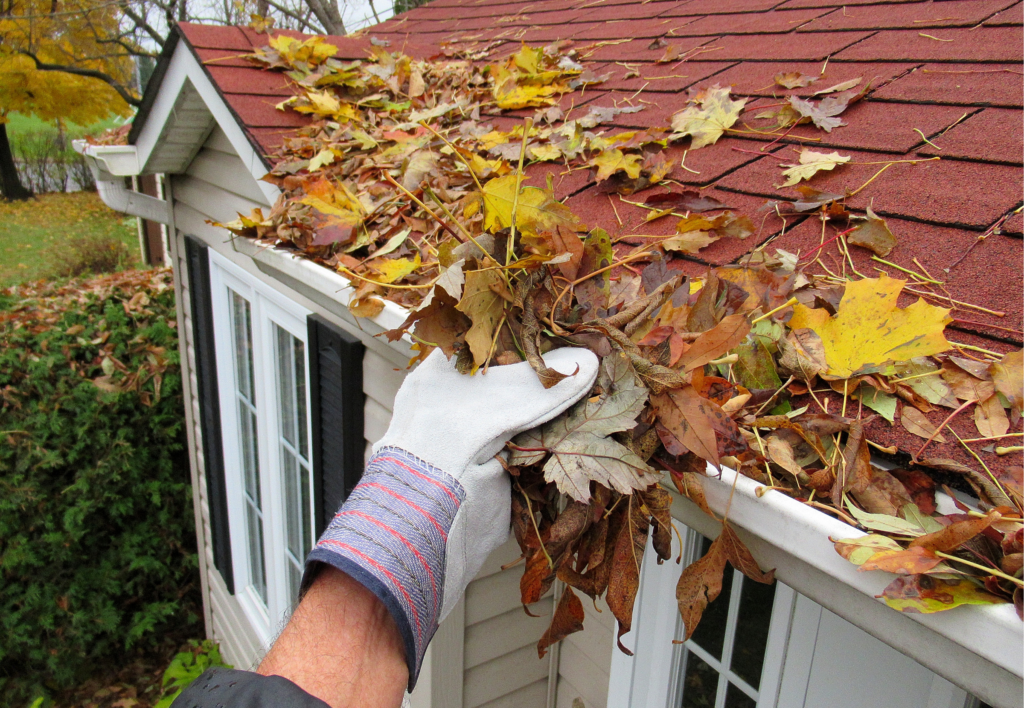
Cleaning Gutters: Routine gutter cleaning is vital to prevent clogs from leaves, twigs, and debris. We recommend cleaning gutters at least twice a year, ideally in the spring and fall. For those living in areas with heavy foliage or frequent storms, increasing the frequency can help prevent gutter clogs.
- Steps for Cleaning:
- Remove debris by hand or with specialized tools.
- Flush the gutters with water to check for proper flow.
- Inspect for any signs of damage.
Installing Gutter Guards: Gutter guards are a great investment to minimize the need for frequent cleaning. They protect the gutter system from large debris while allowing water to flow through.
- Types of Gutter Guards:
- Mesh screens
- Foam filters
- Surface-tension covers
Using gutter guards can save time and reduce the risk of gutter clogs, but it is not a substitute for regular gutter maintenance.
Recognizing and Addressing Issues
Identifying Problems: Recognizing signs of clogged or broken gutters is critical. Look out for water overflow, sagging gutters, or standing water. This indicates that the gutters are blocked or malfunctioning.
- Common Signs of Gutter Problems:
- Water spilling over the sides
- Gutters pulling away from the house
- Visible plant growth in the gutters
Conducting Repairs: If you find any issues, conduct gutter repairs promptly to prevent more severe damage. Repairs may range from patching small holes to replacing sections of the gutter.
When to Replace: Sometimes, gutters are beyond repair and may require replacement. Excessive rust, multiple broken fasteners, or severe sagging usually indicate the need for gutter replacement.
Professional Help: If you’re uncomfortable working on a ladder or if the damage is extensive, consider professional gutter cleaning and repair services. Experts can handle everything from cleaning to full gutter replacement and may also advise on the best gutter guard options for your home.
Let Us Know How We’re Doing!
Did this expertly prepared resource answer your question?
Do you have another question about home maintenance, home improvement projects, home appliance repair, or something else?
Get more information, send in questions and keep the discussion going by contacting the I’ll Just Fix It Myself company customer service team at at 1-800-928-1490 or Email us at [email protected]
