
What is Eco Mode on a Space Heater: A Clear and Concise Explanation

Eco mode on a space heater is a feature designed to optimize energy efficiency and maintain a comfortable room temperature. When activated, this function adjusts the heater’s performance to use less energy while keeping your space warm. Approximately 85% of modern space heaters come equipped with this eco-friendly feature.
Space heaters with eco mode operate more efficiently than standard heating systems, as they focus on warming the areas you occupy. This helps you save on energy costs while still enjoying a cozy and comfortable environment. So, when you’re looking for an energy-efficient and practical solution for heating your space, an eco mode feature on a space heater might be worth considering.
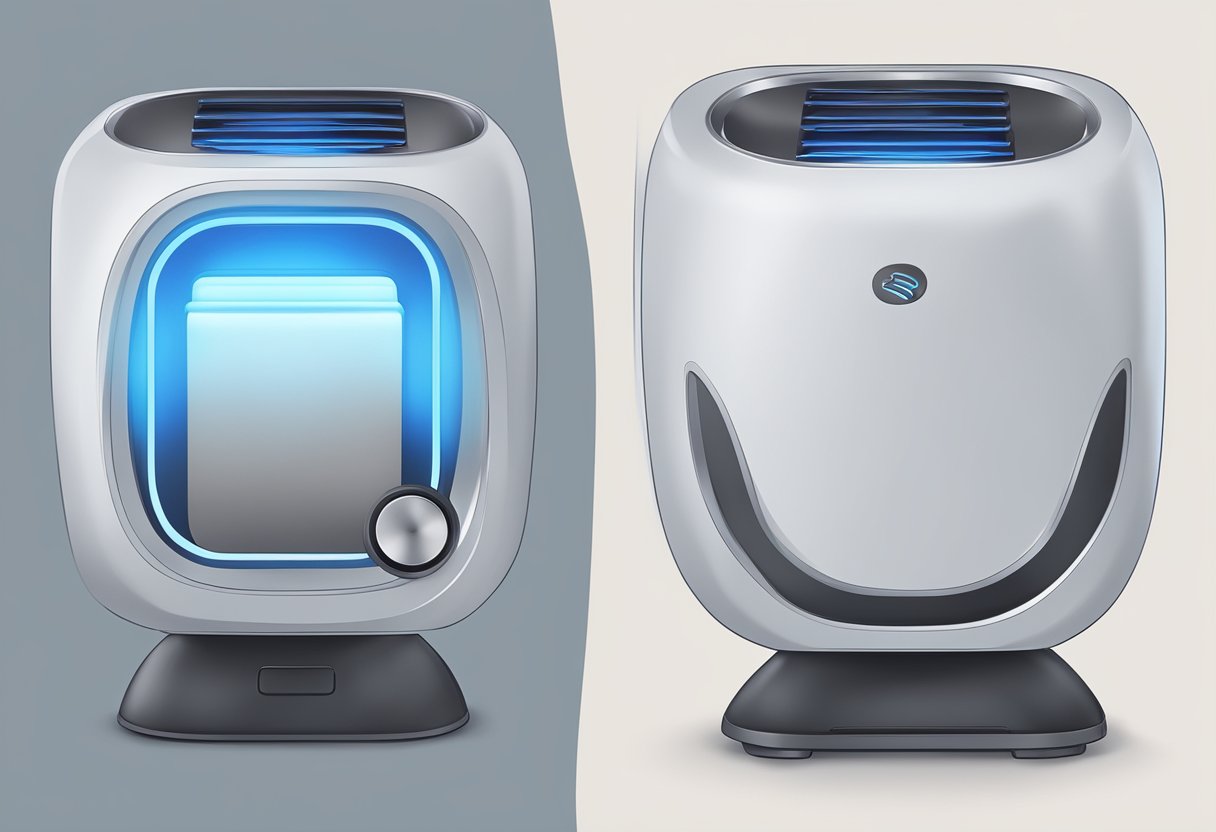
How Eco Mode Works on Space Heaters
Eco mode is a setting on your space heater that optimizes energy usage. It helps regulate the temperature and power consumption of the space heater. By using sensors, it automatically adjusts heat output based on the temperature in the room. On average, using the eco mode on a space heater can reduce energy consumption by 32%.
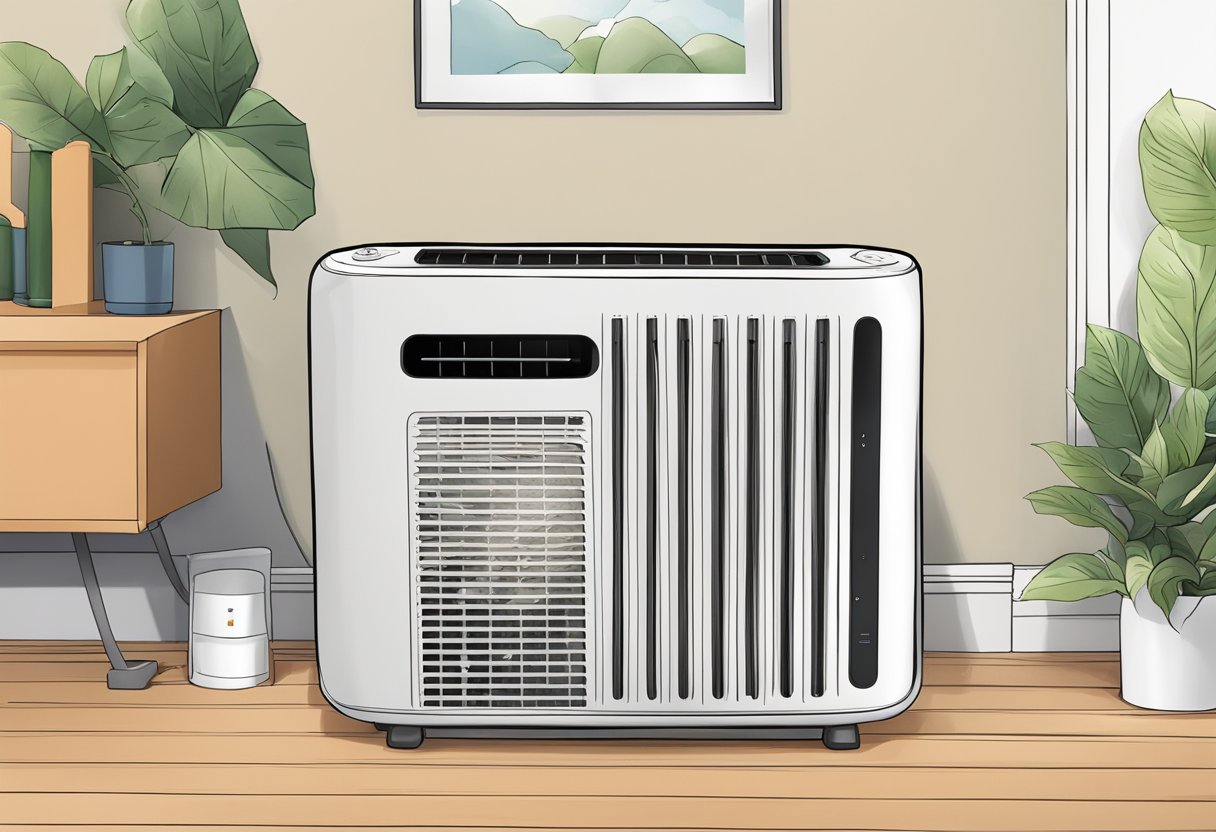
Energy Efficiency Benefits of Eco Mode
Turning on eco mode can significantly reduce your space heater’s energy consumption. It does this by minimizing the heater’s operation when it’s not needed, helping you save electricity. In fact, studies have shown that using eco mode can increase overall heating efficiency by up to 28%.
Temperature Control in Eco Mode
In eco mode, your space heater is programmed to maintain a consistent temperature. It achieves this by using a thermostat to constantly measure the room’s temperature and adjusting the heater’s settings to maintain your preferred level of warmth. Users can typically switch between different heat settings, including eco mode, on a space heater’s control panel or remote control.
How do I activate or enable eco mode on my space heater?
Activating or enabling eco mode on a space heater typically involves a few simple steps, although the exact process can vary depending on the brand and model of your heater. Here’s a general guide on how to do it:
- Locate the Control Panel: Find the control panel on your space heater. It’s usually located on the top or front of the unit. For digital models, there will be an LCD display along with buttons or a touch screen.
- Identify the Eco Mode Button: Look for a button labeled “Eco”, “Eco Mode”, or something similar. On some models, eco mode might be a part of the thermostat settings.
- Press the Eco Mode Button: Press the eco mode button to activate it. On digital models, you might need to tap the eco mode option on the screen.
- Adjust Temperature (If Applicable): Some space heaters allow you to set a desired temperature in eco mode. Adjust the thermostat to your preferred comfort level using the +/- buttons or the touch screen.
- Confirmation: Many space heaters will display a light or a message on the screen to confirm that eco mode is activated.
- Adjust Timer Settings (Optional): If your heater has a timer function, you can set specific hours for the heater to operate in eco mode. This is useful for automating heating schedules and saving energy.
- Regular Operation: The heater will now work to maintain the set temperature in the most energy-efficient manner, automatically adjusting its output as needed.
If you’re unsure about how to enable eco mode on your specific space heater, it’s always a good idea to consult the user manual.
How To Use Space Heater Eco Mode Effectively
Programming and Timer Options
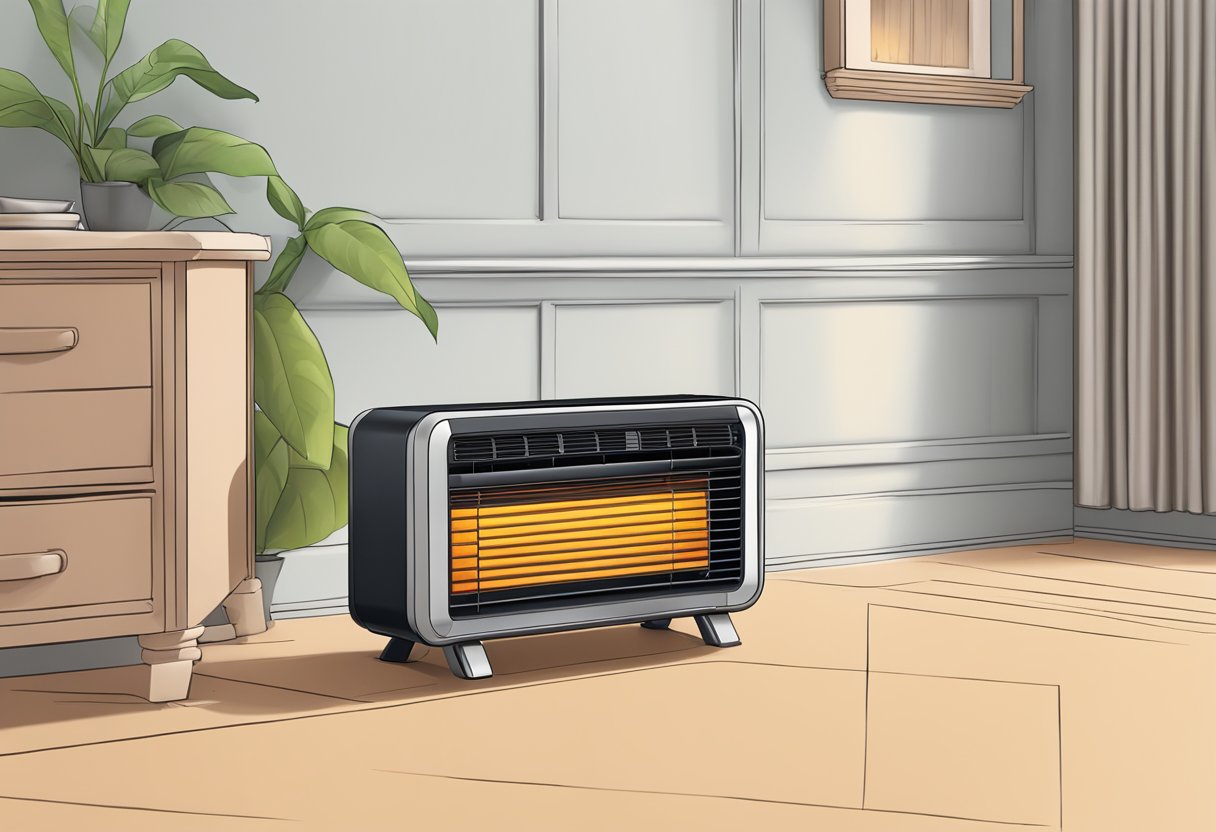
Eco mode on a space heater allows you to save energy by maintaining a more efficient temperature. You can customize your heater’s settings by adjusting the thermostat and using a timer to regulate its operation.
This way, your space heater works according to your preferences while conserving energy. Most heaters with eco mode offer a range of timer options, enabling you to set specific hours for the heater to run.
Safety Features in Eco Mode
Heaters with eco mode also come with various safety features to provide protection during use.
Some common safety features include:
- Overheat protection: This feature automatically shuts off the heater when it detects excessive heat, reducing the risk of fire or damage to the appliance.
- Tip-over protection: If the heater is knocked over, it will automatically turn off, preventing potential danger to you and your surroundings.
- Cool-touch exterior: The heater’s exterior remains cool even when in use, ensuring it’s safe to touch and move around when needed.
Eco mode not only makes your heater energy-efficient but also ensures a safer environment. These built-in protection features contribute to the overall safety of your home while using space heaters.
Can eco mode be customized or adjusted on a space heater?
Yes, eco mode on a space heater can often be customized or adjusted, although the extent of customization depends on the specific model and features of the heater.
Here are some common aspects of eco mode that might be adjustable:
- Temperature Setting: Most space heaters with eco mode allow you to set a desired temperature. The heater will then work to maintain this temperature in the most energy-efficient way.
- Timer Function: This allows you to program the heater to turn on or off at specific times, which can be especially useful for heating your space only when needed, thereby saving energy.
- Fan Speed: This can be useful if you want to balance between energy efficiency and the speed at which the room is heated.
- Heat Distribution: In certain models, especially those with multiple heating elements, you might be able to adjust how the heat is distributed in eco mode – focusing on a particular area or dispersing heat evenly.
Getting Value for Money: Using Eco Mode Effectively and Comparing Brands
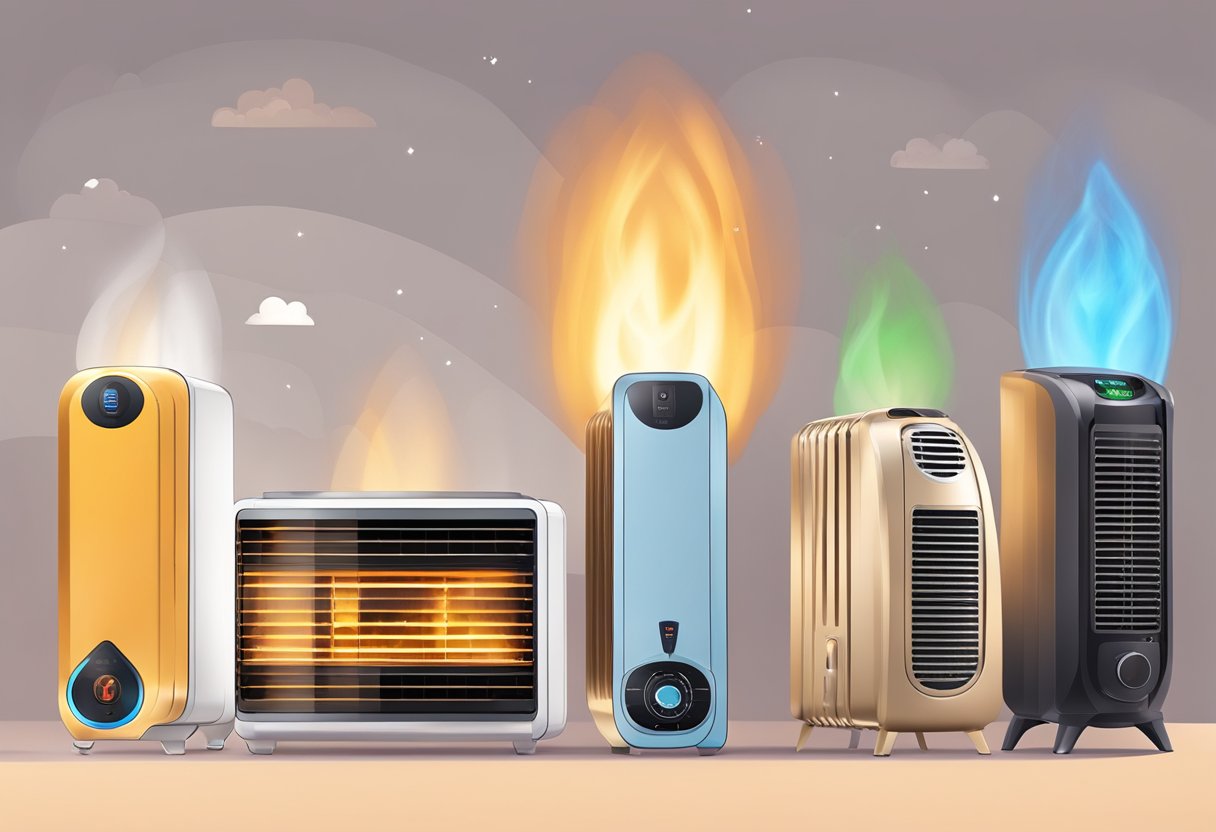
What are the energy-saving benefits of using eco mode on a space heater?
Using eco mode on a space heater offers several energy-saving benefits:
- Reduced Energy Consumption: Eco mode operates by adjusting the heater’s power output to optimize energy usage.
- Lower Electricity Bills: As a direct consequence of reduced energy consumption, eco mode can help lower your electricity bills.
- Efficient Temperature Regulation: Eco mode often works by maintaining a consistent temperature rather than overheating the room. This efficient temperature regulation prevents the overuse of energy that occurs when a heater constantly cycles on and off.
- Minimized Carbon Footprint: By using less energy, eco mode helps reduce the carbon footprint associated with heating.
- Extended Heater Lifespan: Since the heater is not operating at maximum capacity all the time, the wear and tear on its components can be reduced, leading to a longer operational life.
- Smart Energy Usage: Some space heaters with eco mode have intelligent features that can learn your heating preferences and adjust accordingly, ensuring optimal energy usage without compromising on comfort.
- Cost-Effective Heating Solution: In the long run, using eco mode can be a cost-effective heating solution.
Overall, eco mode on a space heater is designed to provide efficient heating by using the minimum amount of energy required to maintain a comfortable room temperature, making it an energy-saving and cost-effective feature for users.
Tips for Using Eco Mode Effectively
When using a space heater with eco mode, it’s essential to optimize its performance for maximum energy efficiency. First, ensure proper placement of the heater. Place the heater in a draft-free area, and avoid blocking it with furniture or curtains. This allows even heat distribution throughout your room.
Next, use the right settings. Set your heater’s thermostat to a comfortable temperature, usually around 68°F (20°C). The eco mode adjusts the heater’s wattage to maintain this temperature, reducing energy consumption. Always turn off the heater when not in use to save power and keep your energy costs low.
Comparing Eco Modes to Conventional Modes
When comparing space heaters, focus on their energy efficiency, performance, and price.
| Brand | Watts | Price Range | Efficiency |
|---|---|---|---|
| Eco Mode Wall-Mount Heater | 400 watts | $$$ | High |
| Most Conventional Heaters | 1500 watts | $$$ | Medium |
Eco Mode space heaters are well-known for their energy efficiency, operating at 400 watts, less than a third of the energy used by most conventional space heaters. With improved heat flow due to wall mounting, this heater can cost a maximum of $0.05 per hour to run, making it an affordable and eco-friendly option.
Is eco mode suitable for all types of spaces or room sizes?
Eco mode on a space heater is generally a versatile and efficient feature, but its suitability for different types of spaces or room sizes can vary:
- Small to Medium Spaces: Eco mode is typically most effective in small to medium-sized rooms. In these spaces, the heater can efficiently maintain a consistent temperature, ensuring energy savings and comfort.
- Large or Open Spaces: In larger or open spaces, eco mode may face challenges in maintaining consistent room temperature due to the larger area and potential for more significant temperature fluctuations.
- Well-Insulated Rooms: Eco mode works best in well-insulated rooms where heat retention is high.
- Poorly Insulated or Drafty Areas: In spaces with poor insulation or drafts, eco mode might struggle to maintain a stable temperature, potentially leading to less efficient operation.
- Personal Heating Needs: If a space requires a rapid increase in temperature or a high level of warmth, eco mode (which optimizes for energy efficiency) might not be the most suitable option.
- Space Layout and Usage: The layout of the space and how it’s used can also impact the suitability of eco mode. For example, in a room where people are stationary (like a home office), eco mode can be very effective.
In summary, while eco mode can be a great feature for energy-saving heating, its effectiveness and suitability may vary based on the size, insulation, and usage of the space. It’s often best used in smaller, well-insulated rooms for maximum efficiency.
Frequently Asked Questions about Eco Mode on Space Heaters
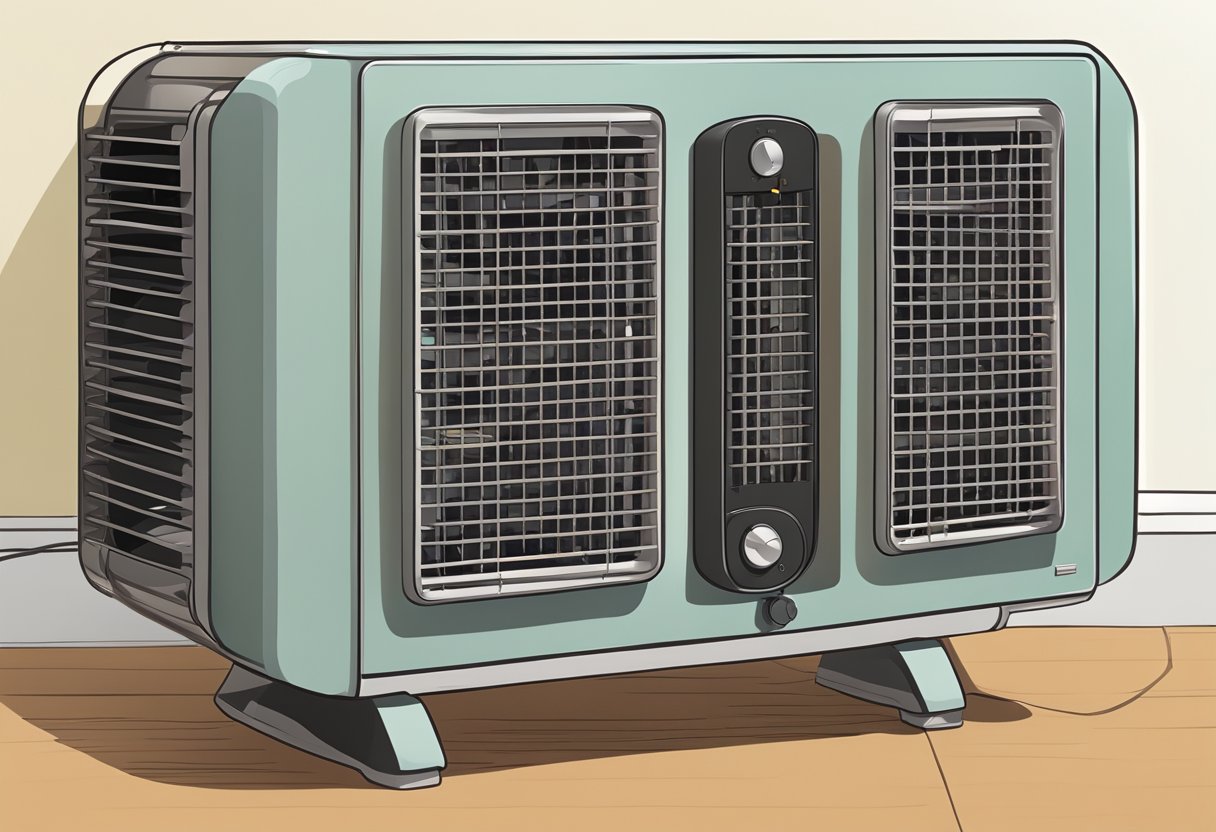
What is eco mode on a space heater?
Eco mode on a space heater refers to a feature that enables the heater to operate more energy-efficiently. When activated, it allows the portable, compact space heater to automatically adjust its heat settings, depending on the room’s temperature, using less energy while maintaining comfort.
Why should I use eco mode on my heater?
Using eco mode technology helps you save energy and reduce your electricity bill without sacrificing warmth. By automatically adjusting the heat settings as needed, it ensures your heater uses only the necessary amount of energy to maintain the desired room temperature.
Is an eco mode heater right for me?
Your choice to use an eco mode heater depends on your energy-saving goals and heating needs. Eco mode heaters offer benefits like energy efficiency and reduced electricity bills. However, they can sometimes be more expensive upfront. Weigh the potential savings against the initial cost to make an informed decision.
What types of eco-friendly heaters are available?
There are several types of eco-friendly space heaters available:
- Electric space heaters: Include ceramic, oil-filled radiators, and infrared models.
- Energy Star-rated heaters: Meet specific energy efficiency standards set by government agencies.
- Heaters with programmable thermostats: Allow you to control the temperature and scheduling to conserve energy.
- Auto-Eco thermostat heaters: Automatically adjust the heat output to maintain your desired temperature while reducing energy consumption.
Remember to research and compare different options to find the best heater for your specific needs.
Check Out Our Complete Guide to Space Heaters!
If you enjoyed this post, check out our complete guide to space heaters for more information on space heater types, safety features, troubleshooting common issues, and how to choose the right space heater for your needs!
Let Us Know How We’re Doing!
Did this expertly prepared resource answer your question?
Do you have another question about home maintenance, home improvement projects, home appliance repair, or something else?
Get more information, send in questions and keep the discussion going by contacting the I’ll Just Fix It Myself company customer service team at at 1-800-928-1490 or Email us at [email protected]
