
Why Your Washing Machine Is Unbalanced (3 Likely Causes & How To Fix Them)

Most new washing machines will work reliably and quietly, requiring little or no monitoring during the wash cycle. A common problem with this important appliance, however, is rocking caused by an unbalanced load. If your washing machine sounds like a jackhammer, read this article to find out why your washing machine may be unbalanced and to get some tips on how to fix it!
Most of the time, a washer will become unbalanced because the load is not arranged properly in the drum. In many cases, simply stopping the cycle and rearranging the clothes to disperse the weight more evenly will fix the issue. An unbalanced washing machine could also be caused by uneven washer feet or worn balancing springs.
Read on below to learn more about why your washing machine may be unbalanced and to get a few tips on how to go about fixing this common problem!

3 reasons your washing machine is unbalanced
If your washing machine is unbalanced, it might be that:
The clothes in the washer are not evenly spread around the washing basket in the washer. The washing machine may display an error message alerting you of an unbalanced load. The signs or symbols displayed will vary from one washer to another, but typically this issue will be accompanied by a loud banging noise.
This noise is caused by the drum rocking back and forth, hitting the interior walls of the washer. In some cases, you may even be able to see the corners of your appliance lifting off the ground a few inches.
This issue is most common with top-loader washing machines. If you hear this noise, however, don’t be alarmed. There could be a very easy fix.
First, open the washer door and spread the clothes evenly, making sure you properly distribute them by weight. For example, if you’re washing multiple pairs of blue jeans and tee shirts, don’t allow all of the blue jeans to slump to one side. This side will be heavier than the other side of the drum and could lead to rocking. This redistribution should solve the problem in most cases.
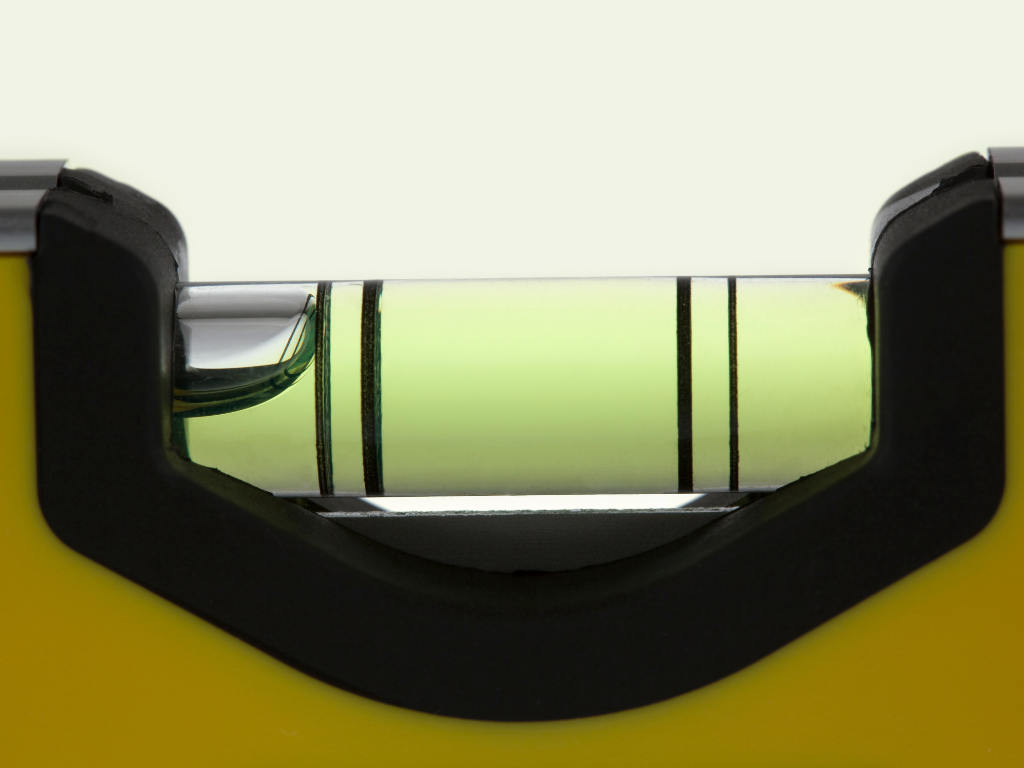
Another thing to consider is that The washing machine may be installed on an uneven floor. If it is standing on the platform, its legs may not be resting at the same level.
This may be because one or two may have slipped, or the support feet need to be adjusted o the same level for the washing machine to be balanced. Make sure you cover all of these bases before calling a technician. The last thing you want to do is pay for a professional to come out only to find that the problem was an easy fix you could have made yourself.
Support feet are not adjusted to the same height
Some washing machines may come with adjustable plastic support feet that are placed under each corner of the machine. If these support feet were installed at varying heights, the machine could be unbalanced, leading to rocking.
Check to see whether the machine is unbalanced as it sits on the support feet. If so, you should be able to rock the machine just by pushing on it.
Quick fix: To fix this issue and level the machine, have one or two people assist you in turning the washing machine on its side. In most cases, these adjustable support feet will twist on and off. Simply twist the feet until each one is at the same height. Then flip the machine back over and run a load to ensure you’ve adjusted them correctly.
The floor is uneven
It could be that the floor you set the washing machine on is uneven. If this is the case, there are a couple of possible solutions, none of them pertaining to fixing the washer itself.
Quick fix: To fix this issue, you’ll either need to move the washer to a more level location in the house or you’ll need to repair the flooring. Since the repair needed will be unique to each house, I can’t really comment further.
Just remember, washing machines are heavy appliances, and any new flooring will need to be sturdy enough and made from hardy material to bear the load.
The clothes are not evenly distributed
The most likely cause of your washing machine’s unbalance is that the clothes in the drum are not distributed evenly. We’ve already discussed this possibility above, so I won’t go into much detail here.
Quick fix: To fix this issue, simply stop the wash cycle by opening the lid. Next, you’ll want to rearrange the clothes so the heavier items are evenly dispersed throughout the drum and not all lumped onto one side. Then restart the load and listen for rocking.
There is a mechanical issue
If none of these possibilities prove to be the cause of your washing machine’s unbalance, then you likely have a mechanical issue. This could be caused by overworn springs that are used to hold the drum in place during its spin cycle.
If these springs become too worn, they’ll allow the drum to swing wildly, leading to rocking. You may be able to replace these springs, but in many cases, this will be a tricky job.
Quick fix: Watch the video below to learn how to replace your washer’s springs yourself, or call a certified technician to repair your appliance.
Signs your washing machine is unbalanced
If the washing machine is unbalanced, it will exhibit a couple of common signs.
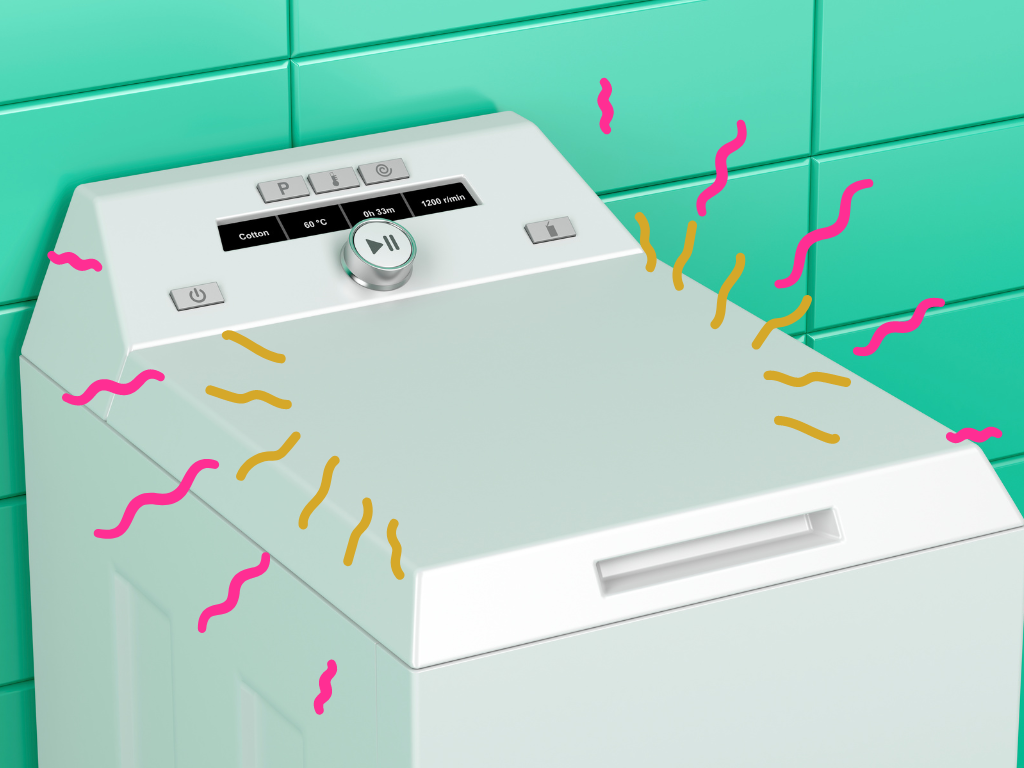
- It will vibrate violently during the spin cycle. You may hear banging noises as the clothes in the washer shift from side to side during the spin cycle.
- the washer can also move across the floor during the spin cycle. If you suspect that the washer is unbalanced – act promptly. Make the necessary adjustments to avoid damage to it.
What happens if you use an unbalanced clothes washer?
It is possible that the washer may be damaged from the impact as it shifts across the floor. Therefore, it’s important that you fix this issue right away. To avoid unbalanced washing machine damage, follow the quick fixes above to rectify the problem.
If left unattended, it may not wash your clothes thoroughly, or the wash cycle may take longer than usual because of the interruptions of the cycle each time the sensors detect an unbalanced load.
You may also be interested in this post: Why your washing machine may be smoking inside
Additional tips to avoid a noisy, unbalanced washing machine
Consider these additional tips if you want to avoid washing machine unbalanced spin issues with your appliance.
- If it is a new washing machine, make sure you remove all the packing materials and mounting bolts meant to hold it in position during transportation.
- Wash similar styles of clothing together to avoid weight distribution issues.
- Check to make sure the floor is level before installing your washer in a specific location.

Closing thoughts
Your washing machine may be unbalanced if it is not resting on a level floor or if the clothes are not evenly spread around the washing basket.
Remove any objects that may be stopping the washer from resting evenly on the floor.
It is also possible that the adjustable feet need to be set and locked so that the washer is resting on all 4 feet!
Finally, you could have a mechanical issue with your washer. Make sure you use caution when working on your washing machine. Unplug the appliance before beginning any maintenance, and always work with at least one other person to decrease the risk of injury.
Front load washer is out of balance – how to fix it?
If you have a front load washer out of balance, the fix will likely be a solution involving the support feet of your appliance or the flooring the appliance is sitting on. It’s less likely that a front-load machine will begin rocking due to an unevenly distributed load.
Top load washer out of balance – how to fix it?
In most cases, a top-load washer will become unbalanced due to an unevenly distributed load. Simply stop the washer and rearrange the clothes in the drum.
Why do clothes go to one side of the washing machine?
This may be because you’re washing heavier clothing items with lighter items. The heavy items may shift to one side of the washer, causing rocking.
Recommended Posts
Let Us Know How We’re Doing!
Did this expertly prepared resource answer your question?
Do you have another question about home maintenance, home improvement projects, home appliance repair, or something else?
Get more information, send in questions and keep the discussion going by contacting the I’ll Just Fix It Myself company customer service team at at 1-800-928-1490 or Email us at [email protected]
