
Why is My Mini Fridge Freezing Everything? (4 Reasons Why)

If you’re reading this, you may be asking yourself, “Why is my mini fridge freezing everything?” It could be for a few reasons.
Your mini fridge is freezing everything because the temperature is too low, the cooling coil is dirty, the airflow duct is blocked, or the gasket is broken. To stop the fridge from freezing, set the temperature between 38 and 40°F, clean the cooling coils, fix the airflow duct, or replace the gasket.
This article will address these issues in detail. Keep reading for more information on why your fridge is freezing and how to prevent or fix it.
Why is my mini fridge freezing everything?
We understand how inconvenient it is when you go to grab leftovers or a cold beer, and it’s an arctic tundra inside your mini fridge.
Don’t worry, though; this is a quick and easy fix after a few troubleshooting steps.
Your mini fridge is freezing everything because it’s too cold inside. This could be because the temperature setting is too low. Set the temperature gauge between 38 and 40°F. Other potential reasons your fridge is too cold include a dirty cooling coil, a broken gasket, or an airflow duct malfunction.
If your mini fridge is set to the correct temperature but is still freezing over, you need to do some troubleshooting.
Clean out the coils and unblock the airflow duct in the back of the fridge. These are the easiest and least expensive fixes.
The compressor helps regulate the internal temperature. A blocked airflow duct or dirty coils could cause your compressor to work harder than it needs to, resulting in a frozen mini fridge.
Another potential cause is a broken gasket. The gasket insulates the fridge and allows helps control the internal temperature and regulate the compressor. Without proper insulation, the fridge gets warm
When the fridge gets warm, it causes the compressor to turn on constantly. If the stuff in the back of your fridge keeps freezing, you should take a look at your mini fridge gasket.
On another note, if your fridge is making loud buzzing noises compared to a low humming sound, check the compressor. This likely won’t fix the freezing problem, but it should be addressed nonetheless.
4 reasons why your fridge is freezing everything
Now that we’ve outlined potential causes, let’s talk about each of them in greater detail.
Here are four reasons why your mini-fridge keeps freezing everything you stored inside of it.
- The temperature is set too low
- The cooling coils are dirty or damaged
- The airflow duct is blocked
- The gasket is broken
The temperature is set too low
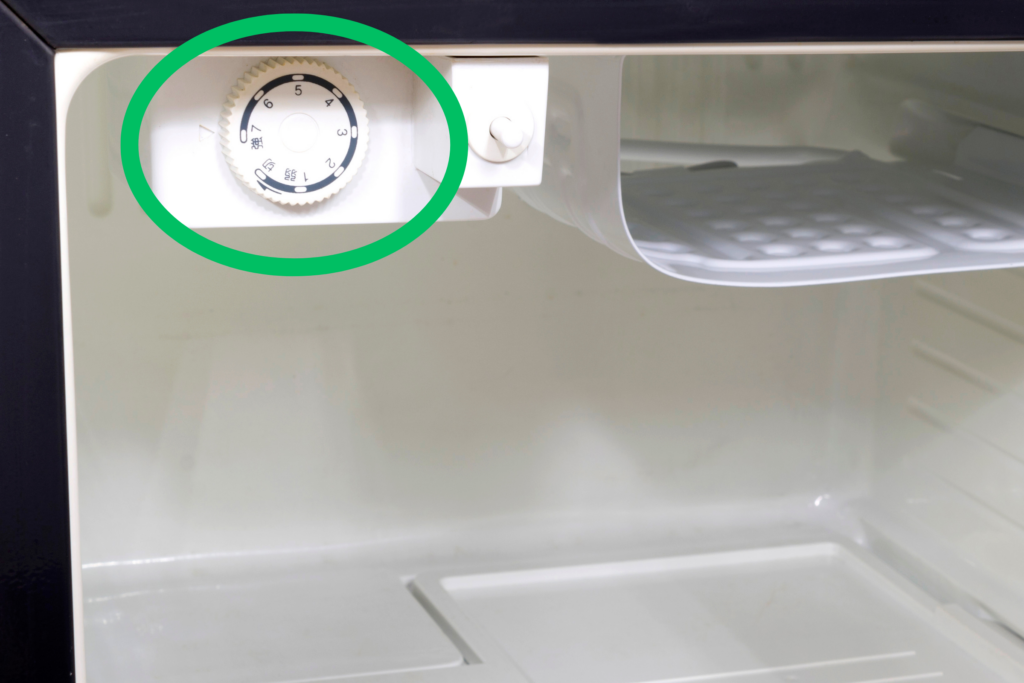
Mini fridges have temperature settings that let you control the internal temperature, usually adjustable with a dial on the inside.
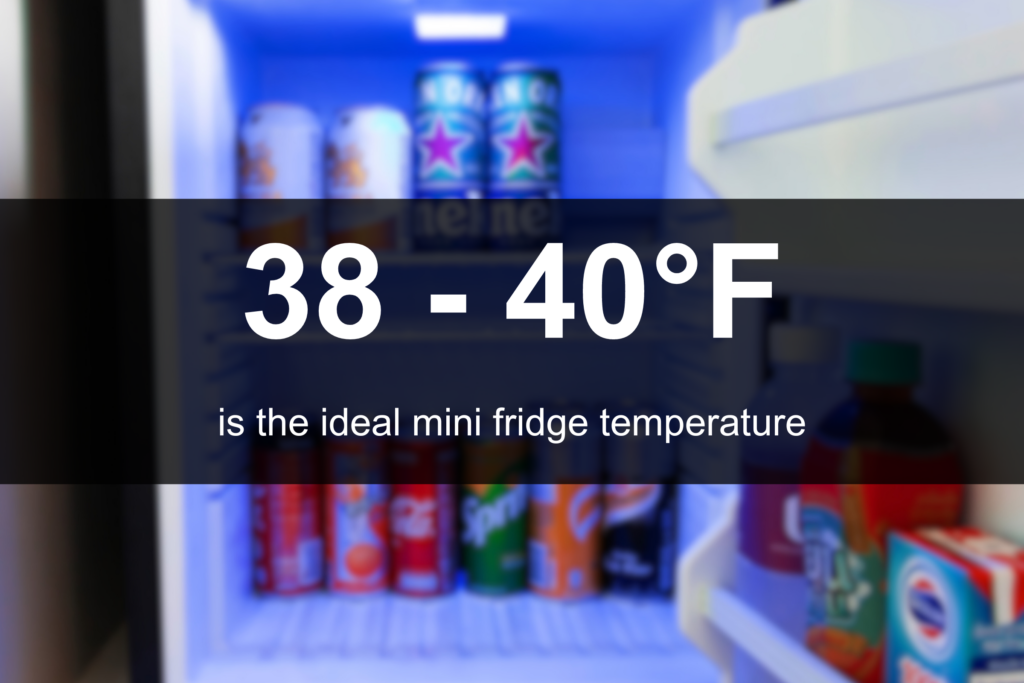
Set the internal temperature to 38-40°F. This recommended temperature to store food will prevent the mini fridge from freezing inside. Place a thermometer inside the refrigerator to properly detect the temperature.
Most mini fridges only have a dial with a small number range to set the temperature. In general, turning the dial clockwise makes the temperature colder. If you’re unsure which way to turn the dial to make it colder or warmer, here’s a trick.
Wait for the compressor to turn on (the humming noise you hear from your fridge occasionally). Turn the dial clockwise. If the compressor remains on after a few seconds, you made the fridge colder. If it turns off, you made the fridge warmer.
The cooling coils are dirty or damaged
Can a mini-fridge cooling coil get dirty? Yes, it can. And when it does happen, your fridge’s compressor won’t function as expected.
The coils in your mini fridge help regulate the refrigerant temperature as it flows from the compressor. Dirty or damaged coils can cause temperature regulation issues and make your fridge freeze everything inside.
Clean your coils often to prevent this from happening.
A dirty coil will cause the compressor to work longer than expected, freezing everything in the fridge.
The airflow duct is blocked
The airflow duct is another crucial part of your mini fridge.
Move items away from the airflow duct to keep them from freezing. The air ducts are where the air is the coldest, which could cause anything next to it to freeze over time.
How your fridge’s airflow duct is positioned matters a great deal. If the airflow duct weren’t set properly, more pressure would be on the compressor. And this would lead to everything in the freezer getting frozen.
If you think, “Why is my mini fridge freezing everything on the lowest setting?” this could be the cause. It’s also the reason your fridge is freezing everything at the back.
The gasket is broken
Take a close look at your mini-fridge door. You’ll discover how it shuts and prevents cold temperatures within the fridge from coming out.
Check to make sure the mini fridge gasket is not damaged. A damaged gasket reduces the insulation of the fridge and can make cold air escape. When that happens, the compressor kicks into overdrive, freezing food and increasing the electric bill.
You’ll only feel the coldness of the fridge when you open its door. So, ensuring that your door gasket is intact is crucial.
How do I stop my mini fridge from freezing food items?
Preventing your fridge from freezing things isn’t such a difficult thing to do. You can even troubleshoot and address the problem without the help of a professional.
So, if you are seeking ways to stop your mini-fridge from freezing everything, then follow the tips below.
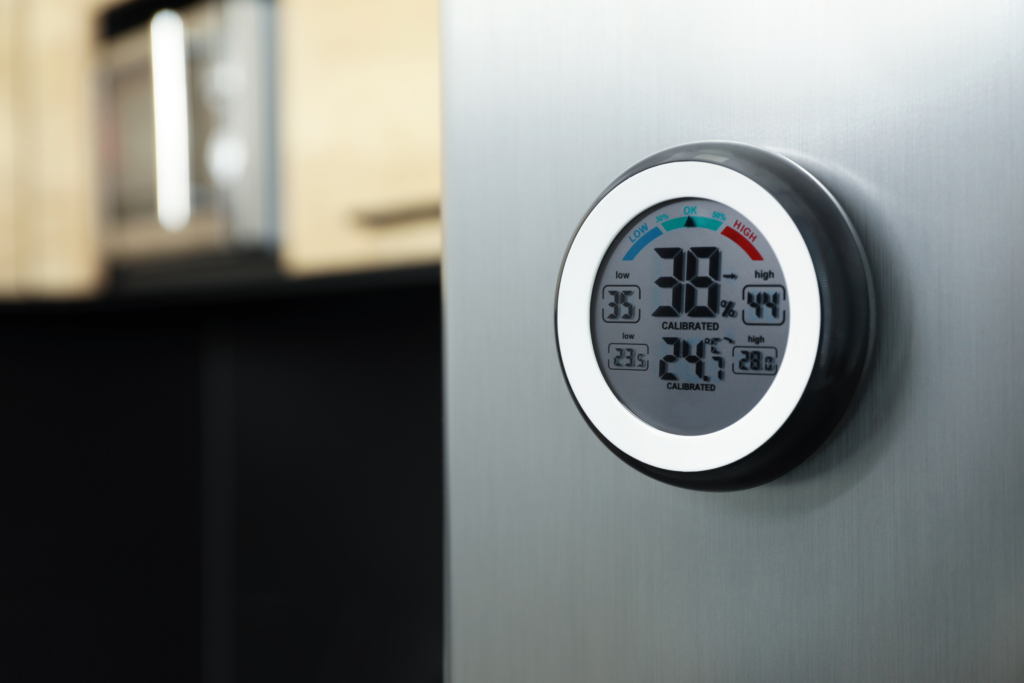
1. Invest in a fridge thermometer
Most people do not fancy this tip because they may feel buying a thermometer is another expenditure they’re unwilling to make.
But the truth is thermometers are budget-friendly. A thermometer would help you keep tabs on the fridge to ensure it doesn’t freeze.
2. Fix the damaged door gasket
Is your fridge’s door gasket damaged? Please don’t ignore it. It’s the reason your fridge is freezing everything stored in it.
A damaged gasket could cause your compressor to overwork itself, resulting in frozen food. Replacing the gasket will improve insulation and keep the fridge working how it should.
3. Keep the cooling coil clean
There’s the possibility of dust buildup on your fridge’s cooling coil. It happens whether you constantly use the fridge or not.
So, clean the fridge’s cooling coil for optimum performance. The coil is situated at the back of the fridge. You can clean it once or twice a month, as you wish.
A Handy Tip: Turn off the fridge before cleaning the cooling coil or replacing the door gasket.
4. Unblock or reposition the airflow duct
Check the airflow duct and position it properly if it’s not well-positioned. With this, your mini-fridge will stop the habit of freezing everything you store inside.
It will especially prevent items from the back of the fridge from becoming frozen.
Why Does My Mini Fridge Build Up Ice?
Whether new or old, ice buildup is a common problem with fridges. But that shouldn’t be the case if your fridge is working properly.
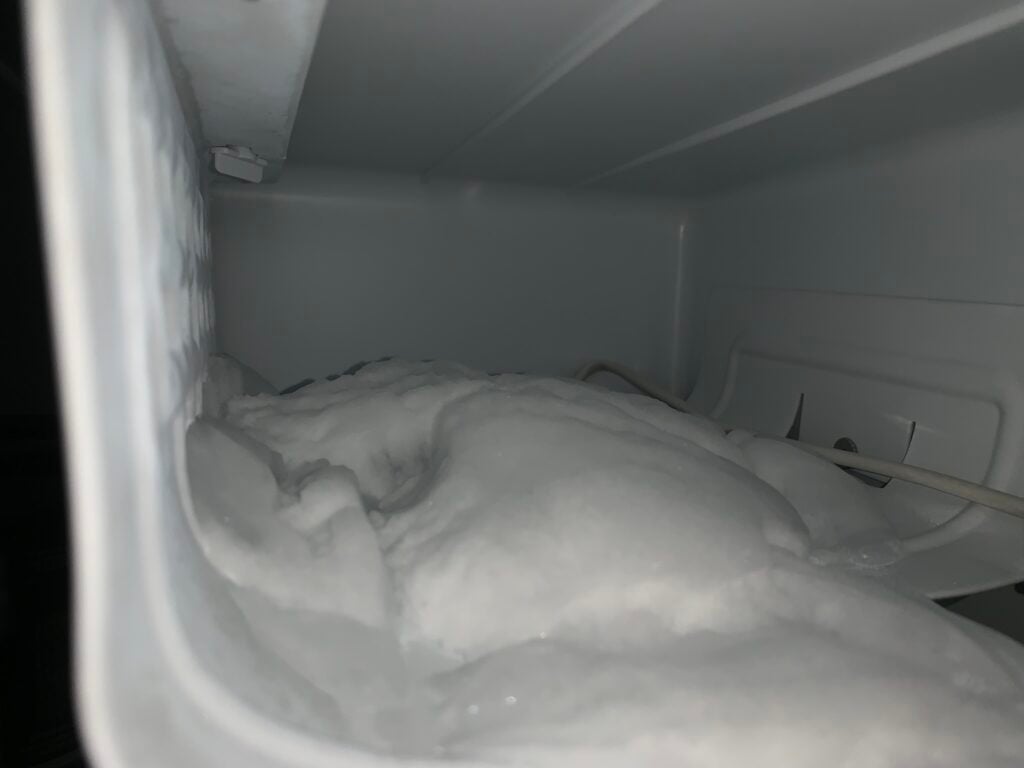
So, if you keep experiencing ice buildup in your fridge, below are factors that could be responsible.
1. Damaged compressor
Your fridge’s compressor could be the culprit. A broken or damaged compressor could cause several issues, including unwanted freezing.
Inconsistent compressor cooling can produce water droplets in the fridge, leading to ice buildup. Replace the compressor to fix the issue.
2. Fridge door gasket
The door gasket is another component that can cause ice buildup in your fridge. A faulty gasket means your fridge’s door won’t shut properly.
Cold air would quickly move out when this happens, while air can get into the fridge, leading to ice buildup.
The leaky door gasket would cause the refrigerator’s humidity to rise, which is where the issue begins.
3. Storing wet foods in the fridge
When you put wet foods in the fridge, here’s what happens. Humidity within the fridge rises, and when it cools, the water formed turns into ice buildup.
4. Storing hot foods in the fridge
Putting anything like hot foods in the fridge would raise the humidity in the fridge, causing water droplets to form on the wall of the fridge.
As the fridge cools down, those water droplets would become ice buildups.
How do you address this problem? It is simple. Always allow your foods to cool down before transferring them to the fridge.
What temperature is best for a mini fridge?
Firstly, don’t let the size of mini-fridges deceive you. Mini-fridge might be compact, but they pack great power. What temperature should you set yours to?
The best temperature for your mini fridge is 38-40°F. At this temperature, items stored in the fridge won’t freeze but will remain cold.
Mini fridge temperature controls are commonly in the form of a dial that ranges from 1 to 7. The number 1 generally represents the highest temperature.
The number “7” typically represents cold temperatures and is closest to freezing.
If you’re still unsure about the temperature, here’s our tip from earlier in the article:
Wait for the compressor to turn on (the humming noise you hear from your fridge occasionally). Turn the dial clockwise. If the compressor remains on after a few seconds, you made the fridge colder. If it turns off, you made the fridge warmer.
Place a thermometer inside, wait an hour to find the temperature, and adjust the dial accordingly.
Does the mini fridge freeze everything on the lowest setting?
It is vital to understand how a mini-fridge works. They work just like a regular-sized refrigerator.
Understanding the temperature setting can also save your fridge from freezing over. The mini-fridge boasts several settings, such as 1 (the lowest) and 7 (the highest).
The mini fridge does not freeze everything on the lowest setting. The setting “1” is generally as far from freezing as possible. A mini fridge should not freeze anything on the lowest setting. If it does, there could be an issue with the gasket, compressor, coil, or airflow duct.
On the other hand, 7 is typically the highest setting.
On 7, or the highest setting, your fridge will be as cold as it can be, which is often below 32°F. This will almost always cause your mini fridge to freeze what’s inside.
If you’re thinking to yourself, “Why is my fridge freezing everything on the lowest setting?” then you need to address one of the four reasons above.
Summary of Why is my mini-fridge freezing everything?
One of several factors could be responsible for your mini fridge freezing everything.
It might be that the airflow duct is blocked, there is a damaged door gasket, faulty temperature control, or a dirty cooling coil.
Any of these factors could be responsible. So, if your fridge is freezing everything, try to identify the problem and fix it.
If the cooling coil is the problem, clean it. If the door gasket is the issue, change it. Just fix the problem, and change the setting of your fridge.
Let Us Know How We’re Doing!
Did this expertly prepared resource answer your question?
Do you have another question about home maintenance, home improvement projects, home appliance repair, or something else?
Get more information, send in questions and keep the discussion going by contacting the I’ll Just Fix It Myself company customer service team at at 1-800-928-1490 or Email us at [email protected]
