
Reasons for Toilet Bubbling: Diagnosing Common Plumbing Issues

When my toilet started bubbling, it was perplexing and a little alarming. Fortunately, with my background in home maintenance, I knew that this unusual plumbing behavior often indicates a vent or drain problem. Bubbling can occur when air gets trapped and then released in your toilet’s drainage system, hinting at possible blockages or vent issues.
From my experience, the main culprits behind a gurgling toilet are clogs within the drain line, issues with the vent pipe, or even broader complications with the main sewer line. Identifying the precise reason is key to implementing the right fix—and the good news is, many solutions are manageable without professional help.
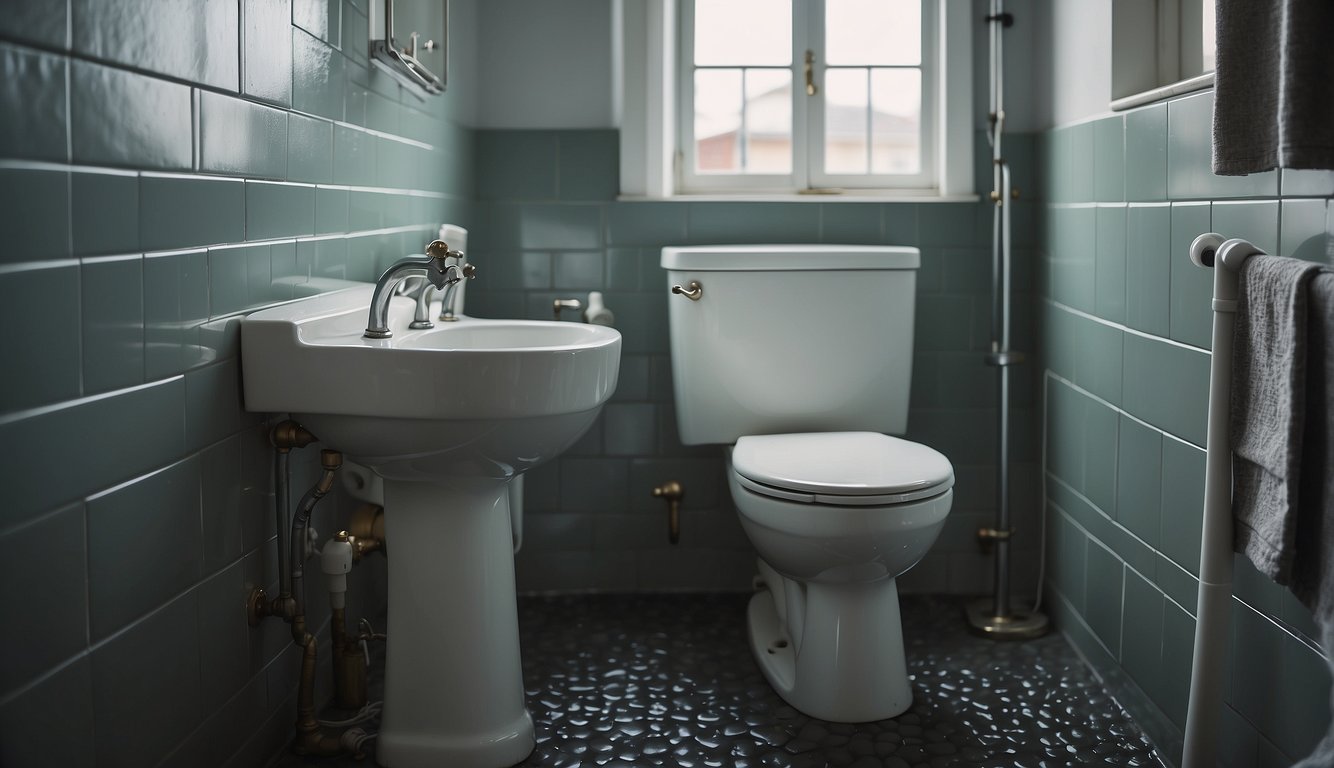
Common Causes of Toilet Bubbling
When my toilet starts gurgling, I check for three primary issues: blockages in the toilet or drain line, a blocked vent stack, or broader sewer line problems. Each of these can prevent proper airflow or water flow, which is often the root cause of gurgling sounds and toilet bubbling.
Clog in the Toilet or Drain Line
A clogged toilet is the most straightforward issue to solve. Typically, the gurgling results from a clog that’s preventing normal flushing and drainage. You can usually remedy this with a plunger or a toilet auger—an auger can reach deeper than a plunger to remove blockages farther down the pipe. For persistent clogs, I sometimes have to use a drain snake to clear the line.
- Tools for Unclogging:
- Plunger
- Toilet Auger
- Drain Snake
Blocked Vent Stack
The vent stack, which helps regulate the air pressure in your plumbing system and removes sewer gases, can sometimes become obstructed with debris like leaves or a bird’s nest, especially near the roof opening. A sign of a blocked vent stack is a strong gurgling sound emanating from your toilet. I clear these blockages by going up to the roof and removing the debris, often using a garden hose to flush out the remaining obstructions.
- Common Blockage Types:
- Leaves
- Animal Nests
- Other Debris
Sewer Line Issues
Issues with the main sewer or septic system can cause gurgling toilets as well, particularly if the sewer line is compromised. Tree roots invading the pipes or a blockage in the municipal sewer line can cause backup, leading to gurgling noises or even slow drainage. I usually check the sewer cleanout: if it’s full, it’s likely a sewer line issue. Professional help might be needed in these cases to resolve the obstruction or repair any damage.
- Potential Sewer Line Problems:
- Tree Root Invasion
- Blockage in Sewer Line
- Backed Up Main Sewer
Diagnosing Toilet Bubbling
When your toilet bowl emits a gurgling sound, it’s often an indicator of a disruption in the plumbing system. This guide will show you how to diagnose the bubbling issue through straightforward checks.
Visual Inspection
I start with a simple visual inspection of the toilet and surrounding area. Using a flashlight, I look for obvious signs of blockage or overflow in the toilet bowl itself. It’s essential to assess whether the water level is higher than usual or if there are foreign objects that might be causing a clog.
Testing Drain Ventilation
Poor ventilation in the drain system can cause negative air pressure and lead to a gurgling toilet. To test the air pressure, I sometimes use a garden hose to run water down the vent pipe on the roof. If the water backs up or drains slowly, there’s a likelihood the vent is blocked, impacting the air pressure and causing the bubbling.
Checking Nearby Drains and Toilets
The problem may extend beyond a single toilet. I check nearby drains and other toilets for slow drainage, which can signify a clog in the main drain. This symptom suggests that the entire plumbing system’s efficiency is compromised. If multiple fixtures are affected, this is the point where I would recommend calling a licensed plumber, as the clog may be extensive.
Solutions and Preventative Measures
When your toilet starts bubbling, it’s a clear sign that your drainage system needs attention. I’ll guide you through steps to clear simple blockages, seek professional help for complex issues, and maintain your plumbing system to prevent future occurrences.
Clearing Simple Blockages
In my experience, gurgling sounds often indicate a minor blockage causing an airlock in your drains. Here’s what you can do:
- Plunging: A plunger can dislodge simple clogs. Cover the toilet drain with the plunger, plunge vigorously to create suction, and then pull to remove the blockage.
- Drain Cleaner: Non-caustic drain cleaners like Drano can dissolve organic matter. Follow the instructions carefully to avoid damage to your plumbing.
Note: Never use a chemical cleaner after plunging, as residual water in the bowl can cause the chemical to splash onto your skin or eyes.
Professional Remediation of Complex Clogs
Some clogs are too stubborn for manual unclogging methods:
- Plumbing Auger: A manual auger, or snake, can reach deeper clogs that a plunger can’t. If this doesn’t work, it’s time to call in the professionals.
- Licensed Plumber: Sometimes, the issue lies with the main line or clogged drain line and requires a cleanout or more complex repairs.
It’s wise to have a professional inspection, especially if more than one drain is affected or you suspect a blockage in the main sewer drain.
Maintenance and Regular Cleaning
Regular maintenance is key to preventing clogged drains and gurgling toilets. Here are some practices I follow:
- Regular Cleaning: Regularly clean your toilet and the drains to prevent sediment build-up and issues with hard water, which can contribute to blockages.
- Avoidance: Be mindful of what goes down the toilet; many clogs result from flushing inappropriate items.
Maintain clear vents and address any signs of bubbling early to prevent larger plumbing issues.
Let Us Know How We’re Doing!
Did this expertly prepared resource answer your question?
Do you have another question about home maintenance, home improvement projects, home appliance repair, or something else?
Get more information, send in questions and keep the discussion going by contacting the I’ll Just Fix It Myself company customer service team at at 1-800-928-1490 or Email us at [email protected]
